
Struggling to find a reliable PU foaming machine supplier? The market is full of options. This makes it hard to choose the right partner for your factory’s future.
You can find polyurethane foaming machine suppliers on Google, B2B sites like Alibaba, or at industry trade shows. The top suppliers are in Europe and China. Chinese suppliers like us at Foamor offer excellent value, providing complete production line solutions, not just machines, for global manufacturers.
I know choosing a supplier is a big decision for your business. You need more than just a list of names. You need to understand the market, the costs, and who the real players are. It’s about finding a partner you can trust. Let’s break everything down so you can make a choice with confidence and avoid expensive mistakes.
Who are the largest manufacturers of polyurethane foam?
Wondering who the big names in PU foam are? Giant corporations can be intimidating. Their solutions might not be the right fit for your budget or specific production needs.
The largest manufacturers of polyurethane foam materials are chemical giants like BASF, Dow, and Covestro. For machinery, the leading companies are in Europe (Hennecke, Cannon) and China. Your best choice depends on your budget, product requirements, and need for after-sales support.
It is very important to know the difference between material suppliers and machine suppliers. They do two different things. Big chemical companies make the raw materials. Machine manufacturers like us make the equipment that turns those materials into foam products.
Material Suppliers vs. Machine Suppliers
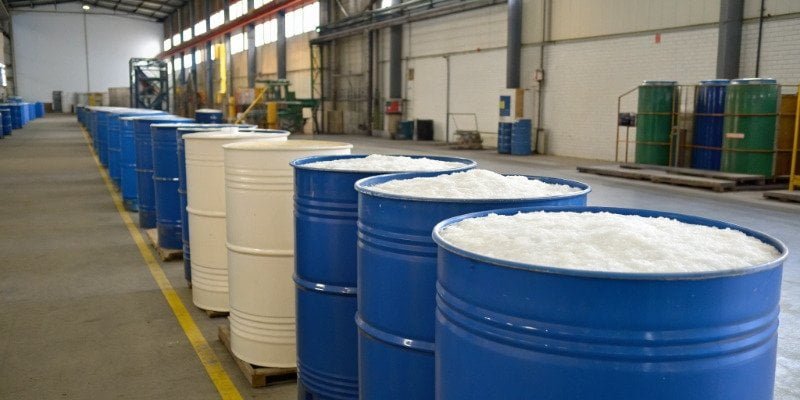
The companies you hear about most often, like BASF, Dow, Covestro, and Huntsman, are chemical giants. They produce and sell the two main liquid components for PU foam: polyol (Part A) and isocyanate (Part B). You will buy these chemicals regularly to run your production. On the other hand, a machine manufacturer, like Foamor, provides the equipment. We design and build the high-pressure or low-pressure machines that mix these chemicals precisely to create your foam products, like sofa cushions or car seats. You buy the machine once, but it is a critical long-term investment.
European vs. Chinese Machinery
When you look for machines, you will find two main regions: Europe and China.
- European Suppliers: Companies like Hennecke and Cannon from Germany and Italy are the pioneers. They have excellent technology and high precision. But their machines are very expensive. They are a good choice for huge corporations that need the absolute latest technology and have a very large budget.
- Chinese Suppliers: China is now a major force in PU machinery.[^1] We offer what we call high “cost-performance.” This means you get reliable, modern technology for a much more reasonable price. At Foamor, we focus on building robust machines that are easy to operate and maintain, which is perfect for small to medium-sized factories.
| Feature | European Suppliers | Chinese Suppliers (like Foamor) |
|---|---|---|
| Price | Very High ($100,000+) | Moderate ($30,000 – $80,000) |
| Technology | Cutting-edge, very complex | Proven, reliable, and user-friendly |
| Best For | Large corporations, R&D labs | Small to medium factories, high-volume production |
| Support | Professional but costly | Flexible, fast, and focused on partnership |
How much does a polyurethane foam plant cost?
Worried about the investment for a new foam plant? The total price can seem huge. This fear might stop you from upgrading your production line and staying competitive.
A complete polyurethane foam production line can cost anywhere from $30,000 to over $500,000. A standalone high-pressure foaming machine for furniture or automotive parts typically costs between $30,000 and $60,000. The final price depends on capacity, automation, and included services.
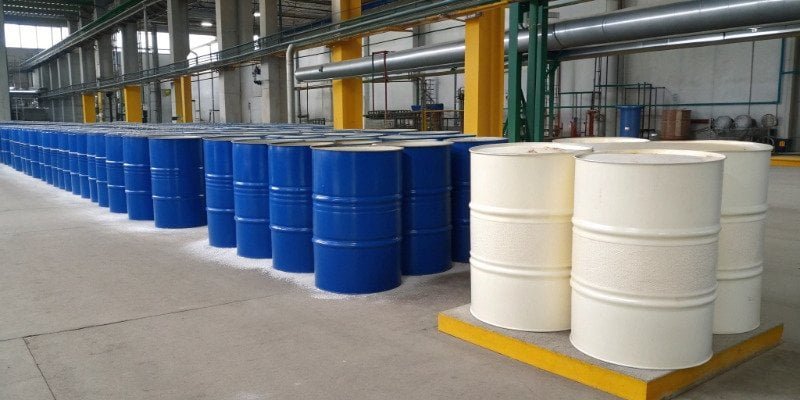
Calculating the total cost of a PU foam plant is more than just the price of the main machine. As a production director, you need to think about the entire system to present a realistic budget to your boss. The investment includes the core machine, auxiliary equipment, and essential services that ensure your production runs smoothly. For a factory like yours, upgrading from an old low-pressure unit, a well-planned investment can have a return on investment (ROI) in as little as 6-12 months just from raw material savings.
Breaking Down the Costs
Let’s look at what makes up the total investment for a typical mid-sized furniture factory.
- Core Machine: This is the heart of your line. A high-pressure foaming machine is more expensive upfront than a low-pressure one, but it saves a lot of material due to its precise mixing. This precision reduces waste and produces higher, more consistent foam quality, which is exactly what clients like IKEA demand.
- Auxiliary Equipment: You will also need other items to support the main machine. This includes raw material storage tanks with temperature control, transfer pumps to move the chemicals, and a mold carrier or conveyor system to hold your molds during injection and curing.
- “Soft” Costs: These are just as important. This category includes shipping, on-site installation by an engineer, commissioning (tuning the machine for your specific foam), and operator training. A cheap machine with no support is a recipe for disaster. We always include these services because your success is our success.
| Item | Estimated Cost Range (USD) | Purpose |
|---|---|---|
| High-Pressure Foaming Machine | $30,000 – $60,000 | Core mixing and injection unit |
| Raw Material Day Tanks (2 sets) | $5,000 – $10,000 | Store and condition chemicals |
| Mold Carrier / Conveyor | $15,000 – $50,000+ | Automate mold handling and curing |
| On-site Installation & Training | $3,000 – $8,000 | Ensure proper setup and operation |
| Total Estimated Investment | $53,000 – $128,000+ | A complete, functional production solution |
How much does 500ml of PU foam spray cost?
Are you seeing small cans of PU foam spray online? It is easy to get confused. These products are for home repairs and are completely different from what you need for industrial manufacturing.
A 500ml can of DIY PU foam spray costs around $5 to $15. This is a one-component product for home use, like filling gaps around windows. It is not used for industrial manufacturing of products like mattresses or furniture, which requires a two-component system and a machine.
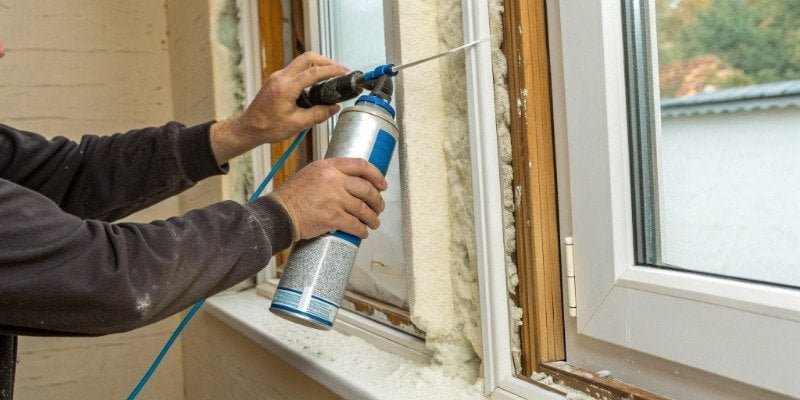
I get this question sometimes, and it’s a good one because it highlights a big difference in the world of polyurethane. The foam you see in small spray cans at a hardware store is not the same as the foam you will produce in your factory. Understanding this difference is key to understanding your real raw material costs.
Consumer vs. Industrial Foam
The product in a can is a one-component, moisture-cured foam. It comes out of the can as a liquid and reacts with moisture in the air to expand and harden. It’s perfect for small, non-structural jobs like sealing air leaks. Its cost is measured per can.
Industrial foam production uses a two-component system. You have two separate drums of liquid: Part A (Polyol blend) and Part B (Isocyanate). Your foaming machine takes these two liquids, heats them, pressurizes them, and mixes them perfectly in the mixhead. The chemical reaction happens instantly, causing the liquid to expand and form the foam inside your mold.
Calculating Your Real Foam Cost
In a factory setting, you don’t buy foam in a can. You buy the Part A and Part B liquids in large drums (usually 200-220 kg each). Your cost is calculated per kilogram of the mixed liquid system. For example, a typical flexible foam system for furniture might cost between $2.00 and $4.00 per kilogram. The final cost of your foam part depends on the density of the foam and the size of the part. A high-pressure machine helps you control this density precisely, which saves you money on every single part you make.
| Aspect | Consumer Spray Foam (Can) | Industrial PU System (Drums) |
|---|---|---|
| Type | One-Component | Two-Component (A+B) |
| Curing | Reacts with air moisture | Chemical reaction between A and B |
| Equipment | Just the can and a nozzle | High/Low-Pressure Foaming Machine |
| Usage | DIY, gap filling, sealing | Manufacturing furniture, car parts, insulation |
| Cost Unit | Price per can ($5-$15) | Price per kg ($2-$4) |
How are polyurethane foam manufacturers?
Worried about choosing a bad machine supplier from China? You have probably heard stories about poor quality and no service. This is a valid fear that can stop you from upgrading.
The best PU foam machine manufacturers act as true partners. They offer expert technical advice, reliable machines, process support, and fast after-sales service. Look for suppliers with a full team, quality certifications, and a history of successful installations in your country.
Finding a good manufacturer is about finding a partner who will support you long after the machine is delivered. Especially when buying from another country, trust is everything. You are not just buying a piece of steel; you are buying a production capability. In my experience, I’ve seen many factory managers in your position. They are anxious about making the right choice. Based on my insights into the Chinese market, here is how you can tell the good suppliers from the bad ones.
The Quality Spectrum in China
It is true that in China, you get what you pay for. The PU machine market here has different levels of quality.[^2]
- Low-End Suppliers: You can find very cheap machines, often from suppliers in northern regions like Shandong or Hebei. Be careful. These are often built with lower-quality components and have poor process control. We often get calls from clients who bought a cheap machine that broke down or wasted huge amounts of raw material. The initial savings are quickly lost to downtime and material costs.
- High-Value Suppliers: Professional and reliable suppliers are often located in the southern and eastern parts of China, like Zhejiang, Wuhan, and our home base in Anhui.[^3] We focus on quality and reliability. Our machines cost more than the low-end options, but they are built to last and to perform with precision. The investment pays for itself through efficiency, stability, and peace of mind.
Checklist for a Good Supplier
When you talk to a potential supplier, use this checklist to see if they are a real partner.
| Checkpoint | What a Good Supplier Does | What a Bad Supplier Does |
|---|---|---|
| Technical Questions | They ask about your product, desired density, and output per hour. | They just send you a price list without understanding your needs. |
| After-Sales Support | They have a dedicated service team and promise remote diagnostics (video calls) and on-site visits. | They are hard to reach after you have paid. Service is slow or non-existent. |
| Transparency | Their quotation is detailed. It lists every component and service included. | Their price seems low, but there are many hidden costs for “optional” parts. |
| Quality Control | They show you videos of your machine being tested before shipment and provide test foam samples. | They just want to load the container and ship it as fast as possible. |
| References | They can provide contact information for other clients in your region (like Vietnam). | They have no references or make excuses. |
Conclusion
Finding the right PU foam machine supplier means looking beyond the price tag. A true partner provides reliable technology, expert support, and a clear path to production success.
[^1]: “Impact of industrial robot applications on global value chain participation …”, https://pmc.ncbi.nlm.nih.gov/articles/PMC10631699/. This source discusses China’s growing role in the polyurethane machinery market, supported by export data and industry trends. Evidence role: mechanism; source type: institution. Supports: China has become a major force in the polyurethane machinery market.. Scope note: The source may focus primarily on export data and not domestic innovation.
[^2]: “Chinese Top 3 PU Foam Machine Suppliers in 2026”, https://www.blufftontoday.com/press-release/story/68298/chinese-top-3-pu-foam-machine-suppliers-in-2026-leading-global-foam-equipment-innovation-and-growth/. This source categorizes the quality spectrum of polyurethane machine suppliers in China, highlighting differences in component reliability and service. Evidence role: expert_consensus; source type: education. Supports: The polyurethane machine market in China varies significantly in quality and service levels.. Scope note: The source may not address all quality levels or emerging suppliers.
[^3]: “Yongjia Polyurethane Co., Ltd.: Low Pressure Polyurethane Foam …”, https://yjpumachine.en.made-in-china.com/. This source identifies Zhejiang, Wuhan, and Anhui as key regions for professional polyurethane machine suppliers in China, based on industry distribution. Evidence role: general_support; source type: research. Supports: Professional polyurethane machine suppliers are concentrated in Zhejiang, Wuhan, and Anhui regions of China.. Scope note: The source may not account for suppliers in other Chinese regions.

Leave a Reply