

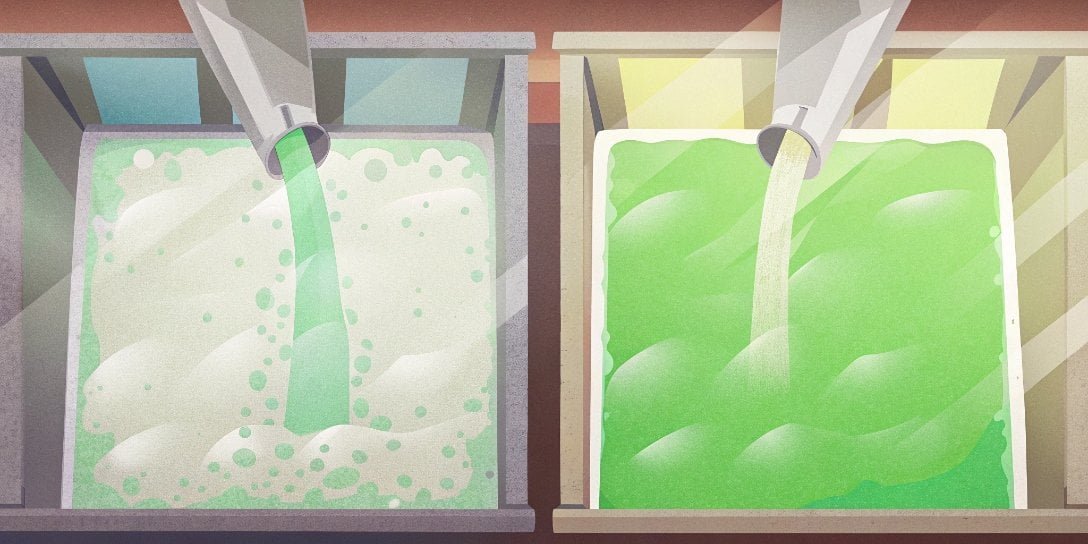
Struggling with inconsistent foam quality and high material costs? The problem might be your mixing method. Impingement mixing is the solution for professional, high-quality results.
Impingement mixing is a technique where two polyurethane components, polyol and isocyanate, are forced at high pressure to collide. This high-energy impact ensures an instant and perfectly uniform mix, which is crucial for creating high-quality foam with a consistent structure.
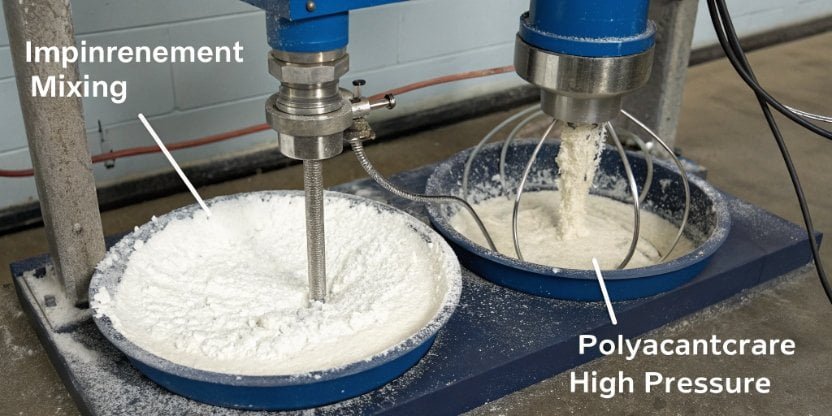
We have helped many factories make the switch from older methods to high-pressure systems, and the results are always impressive. The improvement in foam quality and the reduction in waste are immediate. Now, let’s dig a bit deeper into what impingement mixing really is and why it’s become the standard for modern foaming operations. It is the core technology that separates a professional production line from an amateur one.
What is impingement mixing and how does it work in PU foaming?
Wondering how two liquids can mix perfectly without a physical stirrer? It’s all about pressure and speed. This powerful collision happens in the blink of an eye.
It works by using a high-pressure machine to shoot streams of polyol and isocyanate through tiny nozzles at over 150 bar. The two streams collide head-on inside a small mixhead chamber, creating intense turbulence that mixes them completely before they are dispensed.
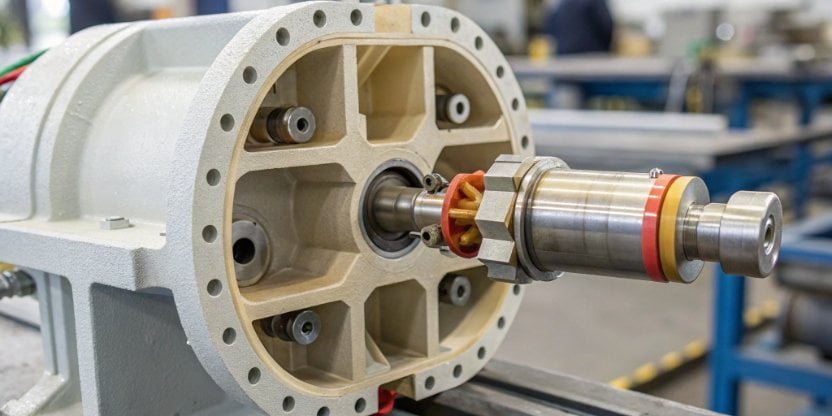
In my nearly 20 years in this industry, I’ve seen that understanding this process is key. It’s not just about pushing two liquids together; it’s about using force to create a perfect blend.
The Physics of a Perfect Mix
Imagine two fire hoses aimed directly at each other. The force of the collision would atomize the water into a fine mist. Impingement mixing works on the same principle. The high pressure (often 100-200 bar) gives the liquid streams immense kinetic energy. When they collide in the mixhead, this energy transforms into intense turbulence, forcing the polyol and isocyanate molecules to mix instantly and thoroughly. This is very different from a low-pressure machine, which uses a mechanical stirrer rotating in a chamber.[^1] That method is more like using a cake mixer; it’s slow, and it can miss spots, especially with thicker materials, leading to inconsistent foam.
The Self-Cleaning Advantage
Another critical part of how this works is the self-cleaning mechanism. After the machine injects the mixed chemicals, a hydraulic piston inside the mixhead pushes forward, clearing out any residual material.[^2] This cleans the chamber completely, making it ready for the next shot in seconds.
| Aspect | Impingement Mixing (High-Pressure) | Mechanical Mixing (Low-Pressure) |
|---|---|---|
| Mixing Principle | High-velocity collision of liquid streams | A motor-driven stirrer rotates in a chamber |
| Mixing Speed | Milliseconds (instant) | Several seconds |
| Cleaning Method | Self-cleaning with a hydraulic piston | Requires flushing with chemical solvents |
| Mix Consistency | Excellent and highly repeatable | Good, but can have unmixed spots or variations |
Why is impingement mixing preferred in high-pressure polyurethane foaming systems?
Still using an older low-pressure machine? You might be falling behind. High-pressure systems with impingement mixing are preferred for a reason: they deliver superior precision and quality.
Impingement mixing is essential for high-pressure systems. It fully utilizes the machine’s power to achieve a mix that is faster and more thorough than any stirrer. This is especially vital for modern, fast-reacting foam formulations that would harden inside a slow-mixing head.
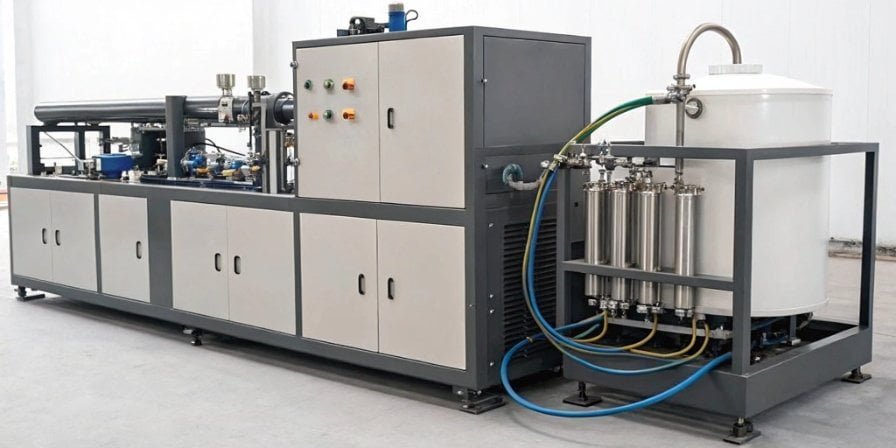
At Foamor, we don’t just sell machines; we provide solutions. The choice between low-pressure and high-pressure often comes down to the product you want to make. For high-quality flexible foam, HR foam, or memory foam, high-pressure with impingement mixing isn’t just preferred—it’s necessary.
The Need for Speed: Fast Reactions
Many modern PU foam formulations are designed to react very quickly. For example, the foam for an automotive seat or a memory foam pillow might start to expand and cure in just 5-10 seconds. If you tried to use a slow, mechanical mixer, the foam would start forming inside the mixhead. This would cause a blockage, stop production, and create a huge mess to clean up. Impingement mixing is almost instantaneous. The chemicals are mixed and dispensed before the reaction begins, ensuring the foaming process happens where it should: in your mold.
Handling Different Material Formulations
The power of a high-pressure system allows it to handle materials with a wider range of viscosities[^3] (thickness). While extremely thick or filled formulations can still pose a challenge, a high-pressure machine can atomize and mix most standard raw materials far more effectively than a low-pressure system. This gives you more flexibility to choose the best chemicals for your product, rather than being limited by what your machine can handle.
| Feature | Low-Pressure System | High-Pressure System |
|---|---|---|
| Reaction Speed Suitability | Slow formulations only | Handles both slow and very fast formulations |
| Mixing Quality | Depends on stirrer speed and design | Consistently high due to intense turbulence |
| Process Control | Moderate, less precise | Excellent and precisely repeatable |
What advantages does impingement mixing offer in the PU foaming process?
Are you wasting too much raw material and getting inconsistent results? The solution is in the mix. Impingement mixing offers huge advantages for your production line’s efficiency.
The main advantages are superior mixing for a uniform foam structure, significantly less raw material waste due to precision, and a self-cleaning head that reduces downtime. This leads directly to better products, lower costs, and a more profitable operation.
I always tell my clients, like Mr. Hieu in Vietnam, that investing in a high-pressure machine is not just an equipment upgrade; it’s an investment in process efficiency. The return on investment is often much faster than they expect.
Save Money on Raw Materials
This is one of the biggest benefits. With low-pressure systems, the first few seconds of a pour are often poorly mixed, creating waste that must be thrown away. Impingement mixing is perfect from the first drop to the last. Also, the high-precision metering pumps on our machines ensure the A:B ratio is exact (with an accuracy of ±0.5%). This prevents you from using too much of one component, which saves a lot of money on expensive chemicals over time. For many of our clients, the material savings alone pay for the new machine in 6-12 months.
Boost Production Uptime
The self-cleaning feature of an impingement mixhead is a game-changer for productivity. Low-pressure systems require you to stop production to flush the mixhead with solvents, which is time-consuming, expensive, and creates hazardous waste. With a high-pressure head, the cleaning cycle is automatic and takes less than a second. This means you can run continuously, switch between molds quickly, and dramatically increase your output per shift.
| Advantage | Impact on Your Factory |
|---|---|
| Better Mix Quality | Fewer rejected parts and customer complaints; stronger brand reputation. |
| Reduced Material Waste | Lower production costs and higher profit margins. |
| Increased Uptime | Higher output per shift, ability to meet tight delivery deadlines. |
| No Solvents for Cleaning | A safer work environment and lower operational costs. |
How does impingement mixing improve the quality of polyurethane foam?
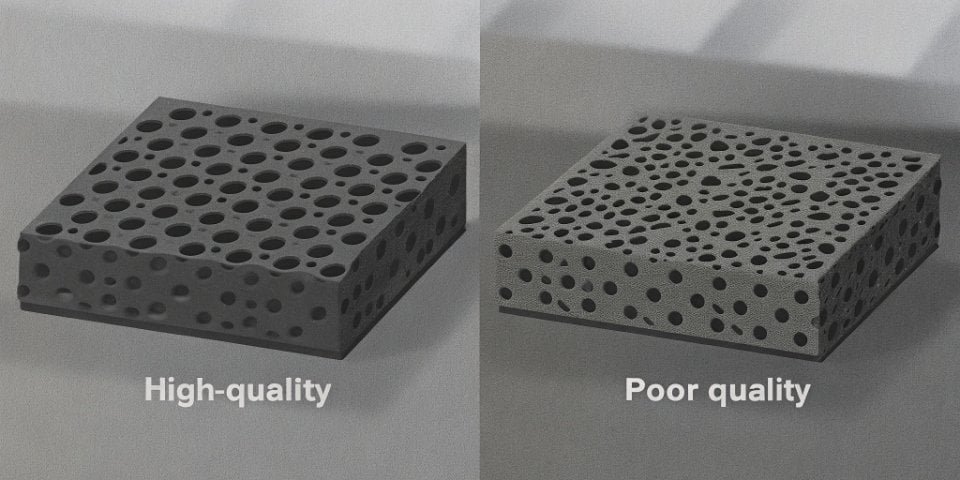
Seeing defects like holes, streaks, or hard spots in your foam? The problem isn’t the material; it’s the mix. Impingement mixing is the direct solution for flawless foam.
It improves quality by creating a perfectly blended mixture at a molecular level. This ensures a uniform chemical reaction, which results in a consistent cell structure, predictable density, and superior physical properties. It simply eliminates the defects caused by poor mixing.
The final quality of your sofa cushion, mattress, or car seat depends entirely on the quality of the foam inside it. A good product starts with a good mix, and there is no better mixing method than impingement.
From Molecular Mix to Final Product Performance
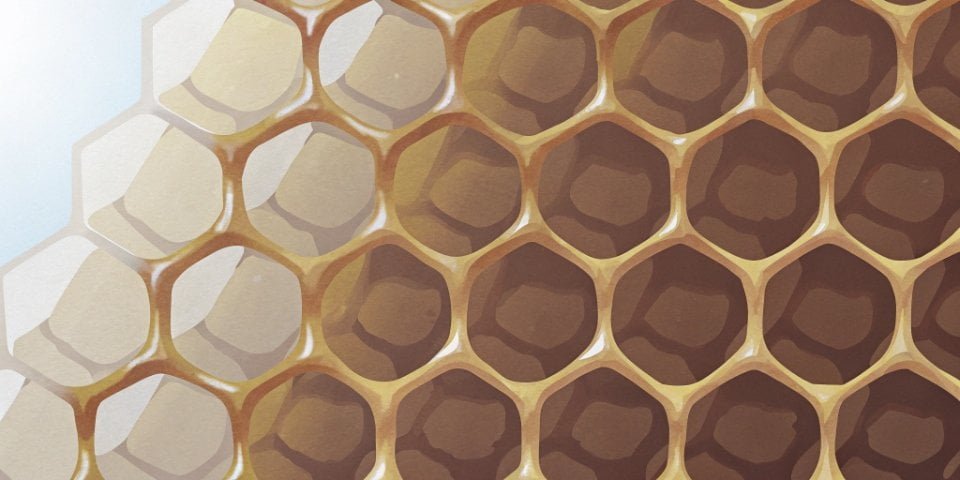
Think of it like this: a perfect mix creates millions of uniform “nucleation sites” where the foam bubbles begin to form. This leads to a very fine, consistent, and interconnected cell structure. This structure is what gives the foam its desired properties—like the softness of a pillow or the firmness of a chair cushion. An uneven mix from a low-pressure machine creates large, irregular cells, which results in a weaker, inconsistent foam. A customer can feel the difference immediately. A product made with foam from impingement mixing feels premium and performs reliably over time.
Eliminating Common Foam Defects
At Foamor, we often diagnose production problems for new clients. Many of the defects they struggle with are classic signs of poor mixing. Impingement mixing is the direct cure for these issues. It ensures the chemical reaction is complete and uniform everywhere, resulting in a perfect final product.
| Common Defect | How Impingement Mixing Solves It |
|---|---|
| Color Streaks | Ensures the colorant is fully dispersed, creating a solid, uniform color. |
| Voids or Large Bubbles | Creates a fine and consistent cell structure, eliminating ugly and weak air pockets. |
| Density Variation | Guarantees a uniform reaction, leading to consistent density and firmness across the entire part. |
| Poor Physical Properties | A complete molecular mix results in a stronger, more resilient, and more durable foam. |
Conclusion
Impingement mixing is the heart of modern high-pressure foaming. It provides superior quality, reduces waste, and boosts efficiency, making it essential for any competitive foam manufacturer today.
[^1]: “The Effect of Mixing Pressure in a High-Pressure Machine on …”, https://pmc.ncbi.nlm.nih.gov/articles/PMC9866240/. Polyurethane equipment references distinguish low-pressure PU mixing systems, which use mechanical agitation in a mixing chamber, from high-pressure systems, which use impingement mixing. Evidence role: definition; source type: institution. Supports: Low-pressure PU machines generally rely on mechanical stirring rather than high-pressure impingement.. Scope note: Some specialized machines may combine or modify these approaches, so the distinction is a general industry classification.
[^2]: “Understanding the Basic Operation of a RIM Mix Head”, https://www.mhr-inc.com/post/understanding-the-basic-operation-of-a-rim-mix-head. Descriptions of high-pressure polyurethane mixheads state that a cleaning or control piston can mechanically purge the mixing chamber after dispensing. Evidence role: mechanism; source type: institution. Supports: High-pressure impingement mixheads can use a piston to clear residual reactive mixture from the chamber after injection.. Scope note: Designs differ among manufacturers, so the cited source should be used to support the common mechanism rather than every machine configuration.
[^3]: “The Effect of Mixing Pressure in a High-Pressure Machine on …”, https://pmc.ncbi.nlm.nih.gov/articles/PMC9866240/. Polyurethane processing references note that high-pressure metering and impingement mixing systems can process a range of reactant viscosities, although mixing quality depends on viscosity ratio and jet momentum. Evidence role: general_support; source type: paper. Supports: High-pressure PU systems can accommodate a broad range of material viscosities in many standard formulations.. Scope note: The comparison with low-pressure systems is contextual and depends on pump capacity, nozzle design, and filler loading.


Leave a Reply