

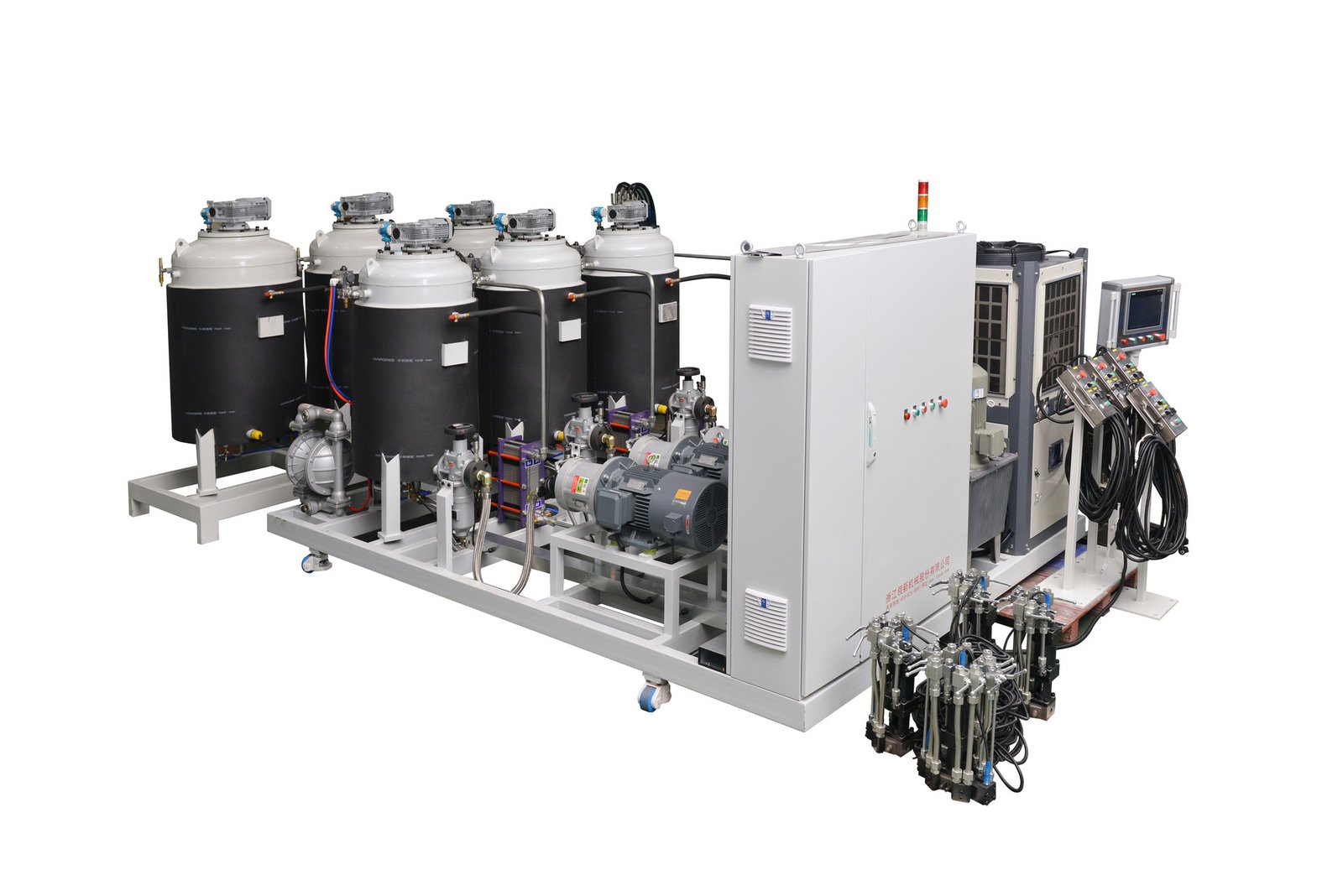
Struggling to understand what makes a high-pressure machine tick? Choosing the wrong parts can lead to bad foam and wasted money. Let’s break down the core components for you.
The main components of a high-pressure foaming machine are the metering unit (pumps), the mixing head, and the PLC control system. These parts work together to deliver raw materials precisely, mix them perfectly, and control the entire foaming process for consistent, high-quality polyurethane foam.
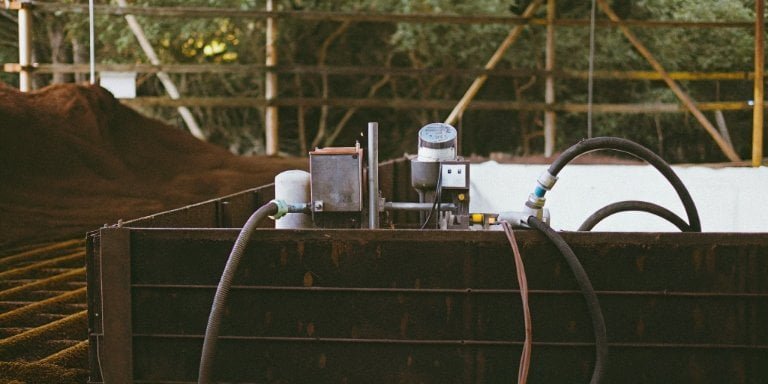
A high-pressure machine might seem complex, but it really comes down to a few key systems. Once you understand what each part does and why it’s important, you can make a much better decision when buying new equipment. In my nearly 20 years in this industry, I’ve seen that a solid grasp of the basics is the first step toward a successful production line. Let’s dive deeper into each component so you can see how it all connects to make the quality foam your customers demand.
What are the essential parts of a high-pressure foaming machine and their functions?
Confused about how each machine part affects your final foam quality? Choosing components without understanding their role can lead to major production headaches. Let’s clarify what each part does.
The essential parts are high-precision metering pumps for accuracy, a self-cleaning mixing head for blending, a PLC control system for managing operations, and a hydraulic station for power. Each part is critical for ensuring your polyurethane foam meets strict quality standards every single time.
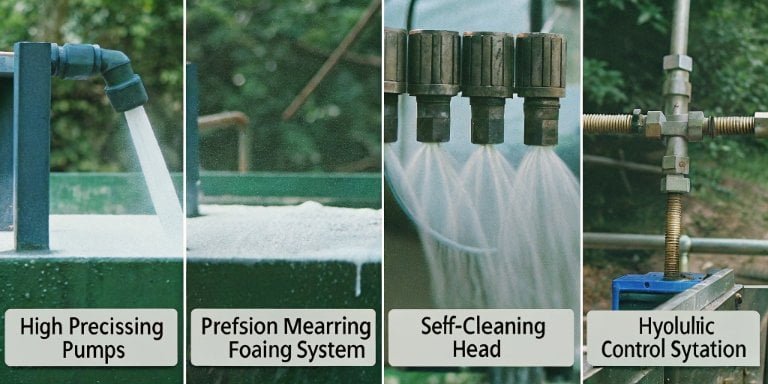
A high-pressure foaming machine is a system where every component has a specific job. If one part fails, the entire process suffers. That’s why we focus on making sure each component is not only high-quality but also perfectly integrated with the others. Think of it like a team—everyone needs to do their job for the team to win. Below is a breakdown of the main players and the roles they play in production.
The Core Components and Their Roles
| Component | Primary Function | Why It’s Important |
|---|---|---|
| Metering Unit | Precisely measures and pumps Polyol and Isocyanate. | Ensures the correct chemical ratio[^1] (e.g., 100:110), which is crucial for foam quality. |
| Mixing Head | Mixes the two chemicals using high-pressure collision[^2]. | Creates a fast, uniform molecular mix without needing a mechanical stirrer. |
| PLC Control System | Manages all machine parameters like ratio, time, and temperature. | Provides the operator with full control and allows for saving recipes for consistent production. |
| Hydraulic Station | Powers the mixing head’s self-cleaning piston. | Enables rapid, clean cycling between shots, which increases efficiency and reduces downtime. |
| Material Tanks | Stores and conditions the raw materials (Polyol/Isocyanate). | Keeps materials at the right temperature and pressure, ready for the metering pumps. |
These parts form the heart, brain, and muscle of the machine. When you evaluate a new machine, you are really evaluating the quality and reliability of these specific systems.
How do the components of a high-pressure foaming machine work together?
A machine is much more than a collection of parts. If the components don’t work together perfectly, you get inconsistent foam and high scrap rates. Let’s look at the synergy.
The process starts with the PLC, which tells the metering pumps how much chemical to deliver. The pumps push materials to the mixing head, where they collide and mix. The resulting liquid is poured, and the hydraulic station immediately cleans the head for the next cycle.
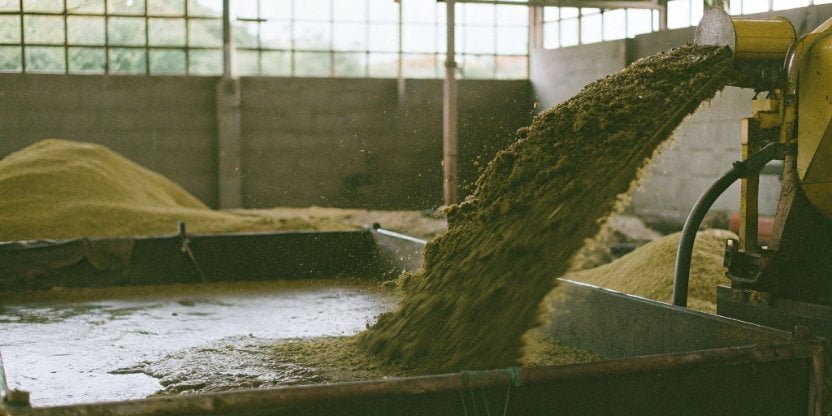
The entire operation is a beautifully synchronized sequence. From the moment the operator presses the “start” button to the final product, each component performs a task that triggers the next. This seamless workflow is what makes high-pressure technology so efficient and reliable for mass production. I’ve seen clients double their output simply by upgrading to a machine where these steps are perfectly tuned. Let’s walk through the process step-by-step.
The Production Cycle in Action
Step 1: Setting Parameters on the PLC
The operator begins by selecting a pre-saved recipe or entering new parameters into the PLC touch screen. This includes the pouring time, the ratio of Polyol to Isocyanate, and material temperatures. The PLC is the brain that will direct the entire operation based on these inputs.
Step 2: Precision Metering and Pumping
Once the “pour” command is given, the PLC activates the motors connected to the metering pumps. These high-precision pumps draw the Polyol and Isocyanate from the tanks and push them toward the mixing head at extremely stable pressures and flow rates[^3]. The accuracy here is non-negotiable for good foam.
Step 3: High-Pressure Impingement Mixing
The two chemical streams enter the mixing head’s small mixing chamber from opposite sides at pressures exceeding 100 bar (1,450 psi)[^4]. They collide with such force that they mix instantly and completely at a molecular level. This is called impingement mixing[^5], and it happens in less than a second.
Step 4: Pouring and Self-Cleaning
The perfectly mixed liquid then flows out of the nozzle and into the mold. Immediately after the pour is finished, the PLC signals the hydraulic station. The hydraulic unit drives a piston inside the mixing head, which pushes out any residual material and cleans the chamber. The head is now ready for the next shot instantly.
What is the role of the a mixing head in a high-pressure foaming machine?
The mixing head is a small part, but its performance is huge. A poor mix results in soft spots, cracks, or bad cell structure, wasting materials and money. Let’s focus on its critical job.
The mixing head’s primary role is to perfectly blend Polyol and Isocyanate using high-pressure impingement. It creates a fast, uniform chemical reaction. Its self-cleaning design also prevents blockages and reduces downtime, making it far more efficient than low-pressure heads.
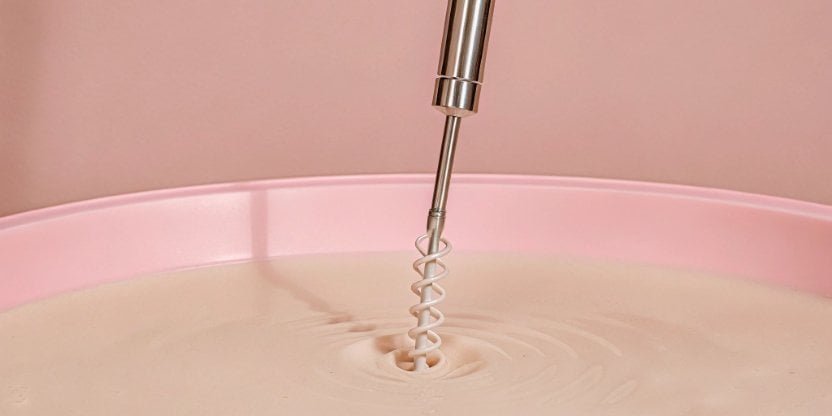
In all my years of helping clients troubleshoot foam quality issues, a surprising number of problems trace back to the mix. The mixing head is where the magic happens. It’s the difference between making foam and making good foam. Unlike low-pressure machines that use a mechanical stirrer (which needs flushing with solvents), a high-pressure head uses the force of the chemicals themselves to mix. This method is cleaner, faster, and produces a far superior cell structure in the final product.
High-Pressure vs. Low-Pressure Mixing
The technology inside a high-pressure mixing head is what sets it apart.
Impingement Mixing
Imagine two fire hoses aimed directly at each other. The force of the collision creates intense turbulence that mixes the water instantly. That’s the principle of impingement mixing. The Polyol and Isocyanate streams collide at such high velocity that they are fully mixed before they even leave the nozzle. This ensures a consistent reaction throughout the foam.
The Self-Cleaning Advantage
After each pour, a hydraulic piston wipes the mixing chamber clean. This simple but brilliant design eliminates the need for chemical flushing[^6], which is required for low-pressure mixing heads.
| Feature | High-Pressure Mixing Head | Low-Pressure Mixing Head |
|---|---|---|
| Mixing Method | High-pressure impingement (collision) | Mechanical stirrer |
| Cleaning | Self-cleaning with hydraulic piston | Requires solvent flushing |
| Waste | Minimal | Significant solvent waste and material loss |
| Cycle Time | Very fast (seconds) | Slower due to cleaning cycle |
| Foam Quality | Excellent, uniform cell structure | Good, but can be inconsistent |
This self-cleaning feature not only saves money on solvents but also drastically reduces downtime between shots[^7], boosting overall productivity.
Which features should you look for in the components of a high-pressure PU foaming machine?
Buying a new machine is a big decision. How do you ensure you are getting a reliable machine that will last? Focusing on the right features in its core components is key.
Look for high-precision axial piston pumps, a self-cleaning L-type mixing head, and a PLC from a trusted brand like Siemens. Also, check for a magnetic coupling on the pumps to prevent leaks. A flow meter is great for quality control but is optional for some applications.
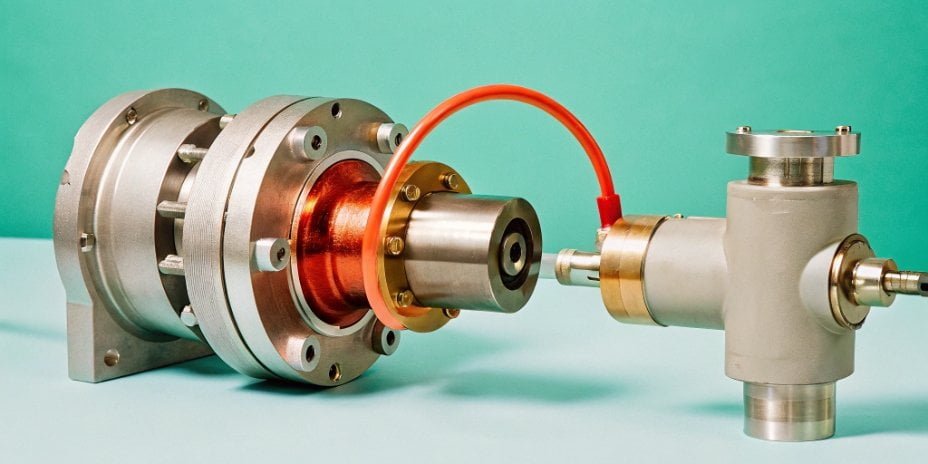
When we build a machine for a client, we don’t just assemble parts. We select each component based on its ability to deliver performance and reliability for years. Price is always a factor, but a cheap component that fails after six months is far more expensive than a quality one that runs for a decade. Based on my experience, paying attention to the details of the main components is the best way to guarantee a good return on your investment.
Key Features to Check Before You Buy
Metering Unit
- Pumps: Look for high-precision axial piston pumps (e.g., German Rexroth brand). They offer the best accuracy (±0.5%) and durability.
- Magnetic Coupling: This connects the motor to the pump without a physical shaft seal. It eliminates a common source of chemical leaks, reducing maintenance and safety risks.
- Flow Meter: This component provides closed-loop control by measuring the real-time flow of materials and automatically adjusting pump speed. It’s excellent for high-spec products like automotive seating. However, for applications like rigid insulation foam, you can often get great results without it, which helps lower the initial machine cost.
Mixing Head
- Type: An “L-type” mixing head is the most versatile and widely used for flexible, rigid, and integral skin foams.
- Material: The mixing chamber and piston should be made from high-strength, wear-resistant materials to handle high pressures and abrasive fillers.
Control System
- PLC: A PLC from a globally recognized brand like Siemens or Mitsubishi ensures reliability and makes it easy to find support or spare parts anywhere in the world.
- HMI (Touch Screen): A user-friendly interface with features like recipe storage, multi-language support, and alarm diagnostics makes the machine easier for your team to operate and maintain.
Conclusion
Understanding the core components—the metering pumps, mixing head, and PLC—is the first step to choosing a high-pressure machine that will deliver quality foam and a strong return on your investment.
[^1]: “Polyurethane – Wikipedia”, https://en.wikipedia.org/wiki/Polyurethane. Polyurethane chemistry references explain that the stoichiometric balance between isocyanate groups and polyol hydroxyl groups affects polymer formation and final material properties. Evidence role: mechanism; source type: encyclopedia. Supports: Maintaining the correct polyol-isocyanate ratio is crucial for polyurethane foam quality.. Scope note: The source would support the importance of ratio control, but not the example ratio given in the article for all foam formulations.
[^2]: “How to treat shoulder impingement – Harvard Health”, https://www.health.harvard.edu/bones-and-joints/how-to-treat-shoulder-impingement. Technical literature on reaction injection molding and polyurethane processing describes impingement mixing as the collision of high-velocity liquid reactant streams in a mixing chamber. Evidence role: definition; source type: encyclopedia. Supports: High-pressure foaming machines mix polyol and isocyanate by high-pressure collision, also called impingement mixing.. Scope note: The source would define the mixing principle, not verify the specific pressure or geometry of the machine described in the article.
[^3]: “Study on the foam production characteristics of air self-suction …”, https://pmc.ncbi.nlm.nih.gov/articles/PMC11699161/. Studies of polyurethane foam processing report that flow-rate stability and component-ratio control are important for maintaining consistent mixing and final foam properties. Evidence role: mechanism; source type: paper. Supports: Metering pumps must deliver polyol and isocyanate at stable flow rates and pressures to support consistent foam production.. Scope note: The evidence would support the importance of stable flow generally, not quantify the stability achieved by the equipment described.
[^4]: “The Effect of Mixing Pressure in a High-Pressure Machine on …”, https://pmc.ncbi.nlm.nih.gov/articles/PMC9866240/. References on high-pressure polyurethane dispensing describe impingement mixing systems as operating at pressures commonly on the order of 100 bar or higher to generate sufficient stream velocity and turbulence. Evidence role: statistic; source type: education. Supports: High-pressure polyurethane mixing can involve reactant streams entering the mixing chamber at pressures exceeding about 100 bar.. Scope note: Operating pressures vary by machine, formulation, and mixing-head design, so the source would contextualize rather than universally prove the stated threshold.
[^5]: “Impinging mixer – Wikipedia”, https://en.wikipedia.org/wiki/Impinging_mixer. Fluid-mixing and reaction-injection-molding literature defines impingement mixing as rapid mixing caused by the collision of two or more high-velocity fluid jets. Evidence role: definition; source type: research. Supports: The collision-based mixing process described in the article is known as impingement mixing.. Scope note: The source would define the term and mechanism, not assess the quality of mixing in the specific equipment described.
[^6]: “FPL SR high-pressure polyurethane mixing head| Cannon”, https://cannon.com/processing-equipment/mixing-heads/fpl-sr/. Technical descriptions of high-pressure polyurethane mixing heads state that self-cleaning plungers or pistons mechanically clear the mixing chamber after dispensing, reducing or eliminating solvent flushing used in some low-pressure systems. Evidence role: mechanism; source type: institution. Supports: A self-cleaning high-pressure mixing head can remove residual material mechanically and reduce or eliminate chemical flushing.. Scope note: The source would support the design principle; actual solvent use depends on formulation, maintenance practice, and machine configuration.
[^7]: “Linear mixing heads for PU processing | KraussMaffei”, https://www.kraussmaffei.com/en/products/linear-mixing-heads. Sources on polyurethane dispensing equipment describe self-cleaning high-pressure mixing heads as enabling rapid cycling because the chamber is mechanically purged immediately after each shot. Evidence role: general_support; source type: paper. Supports: Self-cleaning high-pressure mixing heads reduce downtime or cycle time between shots.. Scope note: The term “drastically” is qualitative; a source may support reduced cycle time without quantifying the magnitude for all applications.
Leave a Reply