

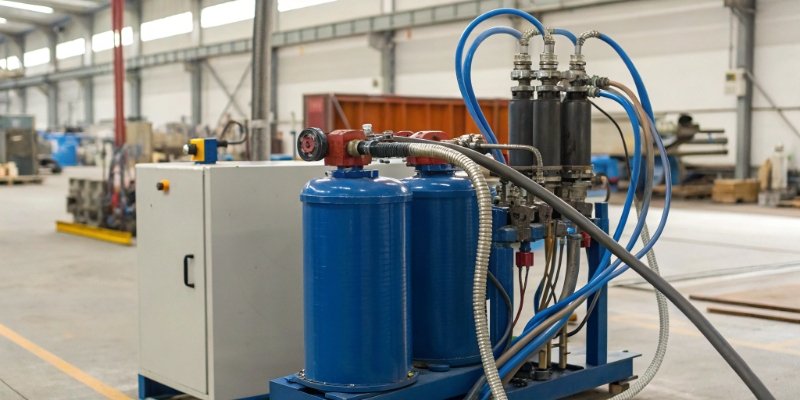
Confused by foaming machine terms? "High-pressure" can be misleading, causing costly production errors. We’ll explain what it really means to help you choose the right equipment for your factory.
A high-pressure PU foaming machine uses high-pressure impingement to mix raw materials (Polyol and Isocyanate) inside a tiny mixing head. This creates a superior, more uniform foam structure. The pressure comes from metering pumps, ensuring precision and quality for high-end products.
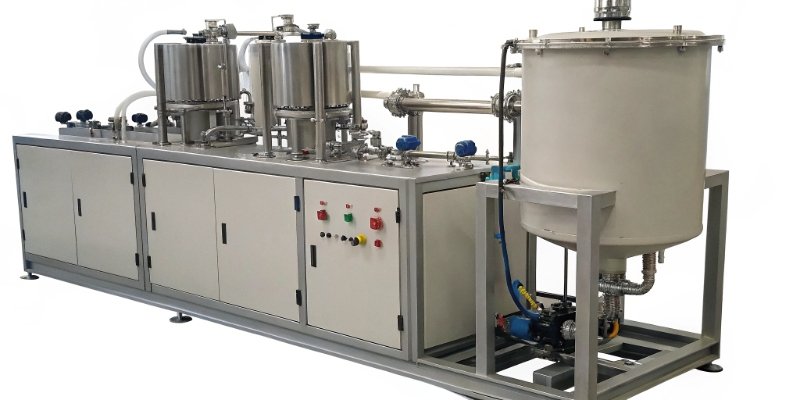
Now that you know the basics, you might be wondering what really happens inside that mixing head and why it matters so much for your final product. It’s a common question we get from production directors who are looking to upgrade their lines.
Let’s break down the details further. By the end of this article, you’ll understand the key differences between machines and be able to confidently decide if a high-pressure system is the right investment for your production line.
What is high pressure foam?
Are you facing inconsistent foam quality and high defect rates? This often comes from poor material mixing. High-pressure foam solves this problem by ensuring a perfectly uniform molecular structure.
"High-pressure foam" is not a special type of foam. It is the foam produced by a high-pressure machine. The term describes the result of the process: a foam with a very fine, uniform cell structure, superior physical properties, and excellent consistency from batch to batch.
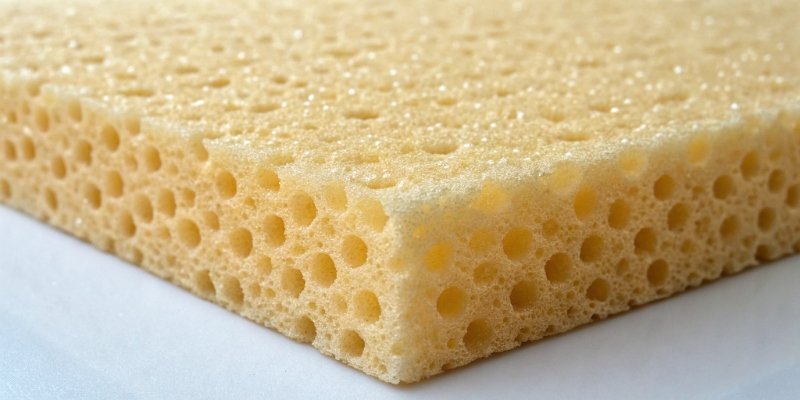
The magic happens in the mixing. When we talk about "high-pressure," we are not talking about the foam itself being under pressure. We are referring to the way the two liquid components, Polyol and Isocyanate, are mixed together.
The Science Behind the Mix
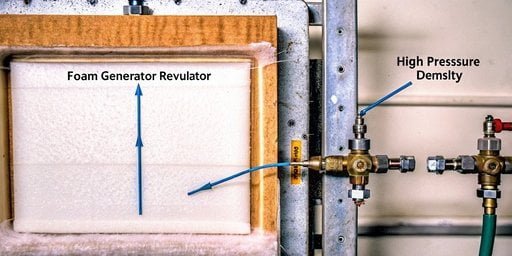
In a high-pressure machine, powerful metering pumps force the liquids through small nozzles into the mixing head at pressures between 100 and 200 bar[^1]. They collide with extreme force in a process called "impingement mixing." This intense turbulence creates a perfectly homogenized mixture at the molecular level in less than a second. This ultra-fast, ultra-thorough mixing is what leads to a foam with a superior, fine, and consistent cell structure. This directly improves the foam’s physical properties, like durability and comfort.
High-Pressure vs. Low-Pressure Mixing
The difference in quality is directly tied to the mixing method. For clients making products for demanding customers like IKEA, this consistency is not optional.
| Feature | High-Pressure Mixing | Low-Pressure Mixing |
|---|---|---|
| Mixing Method | High-velocity impingement | Mechanical stirrer |
| Mixing Quality | Homogeneous, micro-level | Less uniform, risk of streaks |
| Cell Structure | Fine, uniform | Less uniform, larger cells |
| Material Waste | Minimal (self-cleaning head) | Higher (requires solvent flushing) |
| Product Quality | Superior, consistent | Good, but can vary |
What does PU foam mean?
You see "PU foam" everywhere, from sofas to car seats. But do you really know what this versatile material is? Not understanding the basics can make choosing the right process difficult.
PU foam stands for polyurethane foam. It’s a polymer created by reacting two main liquid chemicals: a polyol and an isocyanate. When mixed, they undergo a chemical reaction that expands and hardens into a foam structure, which can be flexible or rigid depending on the formulation.
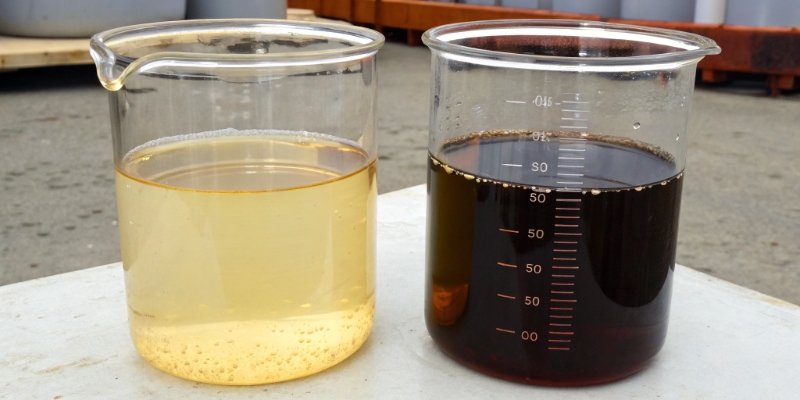
At its core, making PU foam is a chemistry project happening on a factory scale. Getting it right depends on controlling the reaction perfectly, which starts with understanding the basic components.
The Building Blocks: Polyol and Isocyanate
The two main liquids are often called Component A and Component B.
- Polyol (Component A): This is the "backbone" of the foam. The type of polyol used determines the foam’s main characteristics. For example, some polyols create soft, flexible foam for mattresses, while others create hard, rigid foam for insulation.
- Isocyanate (Component B): This is the "reactor." When it meets the polyol, it starts a chemical reaction that links the molecules together to form the polyurethane polymer. Common types are MDI and TDI.
The Role of Additives
Besides the two main components, small amounts of other chemicals are added to control the reaction and final properties. These can include catalysts to speed up or slow down the reaction, blowing agents (like water) to create the bubbles or "cells" in the foam, and surfactants to help stabilize those cells as the foam forms. At Foamor, we help our customers with this. We don’t just sell a machine; we provide process and formulation support from our extensive library. This helps you make the right foam, not just buy the right machine.
What are the different types of foam machines?
Ready to invest in a machine but overwhelmed by the options? High-pressure, low-pressure, elastomer… the choices can be confusing. Choosing the wrong machine can lock you into an inefficient process.
The two main types are High-Pressure and Low-Pressure foaming machines. High-pressure machines use impingement mixing for superior quality foam, ideal for furniture and car seats. Low-pressure machines use a mechanical stirrer and are more cost-effective for applications like insulation and packaging.
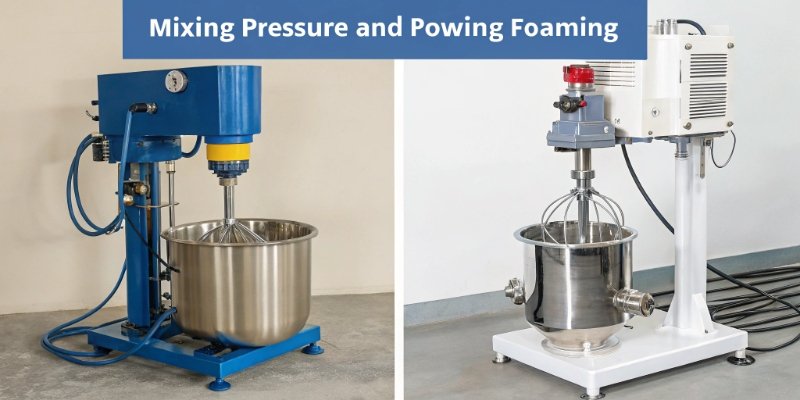
The choice between a high-pressure and low-pressure machine is one of the most important decisions you will make. It’s not just about the upfront cost; it’s about the total cost of ownership and the quality of your final product. While a high-pressure machine has a higher initial price, the savings on raw materials from its precision and self-cleaning head often provide a return on investment in 6-12 months.
Choosing the Right Machine for Your Application
As a solution provider, our job is to help you select the right tool for your specific product and business goals. Here is a simple breakdown of our core machine series:
| Machine Type | Key Feature | Best For… | Foamor Product Series |
|---|---|---|---|
| High-Pressure | Precision metering (±0.5%), self-cleaning head | Flexible foam, HR foam, memory foam, automotive seating, integral skin foam | Foamor HP Series |
| Low-Pressure | Cost-effective, simple operation | Rigid foam, insulation panels, packaging foam, simple molded parts | Foamor LP Series |
| Elastomer Caster | High-temperature capability, precise casting | Gaskets, seals, wheels, rollers (high-performance PU parts) | Foamor E-Series |
For a production director aiming to increase quality and reduce waste, the high-pressure machine is almost always the right choice. It has very few downsides other than the initial investment.
What is high temperature polyurethane foam?
Need foam that can withstand heat? Standard PU foam will degrade, compromising your product’s safety and performance in demanding environments like an engine bay or for pipe insulation.
High-temperature polyurethane foam is a specialized type of PU foam formulated to maintain its structure and insulation properties at elevated temperatures, often above 120°C (250°F). This is achieved by using specific chemicals that create a more stable polymer structure.
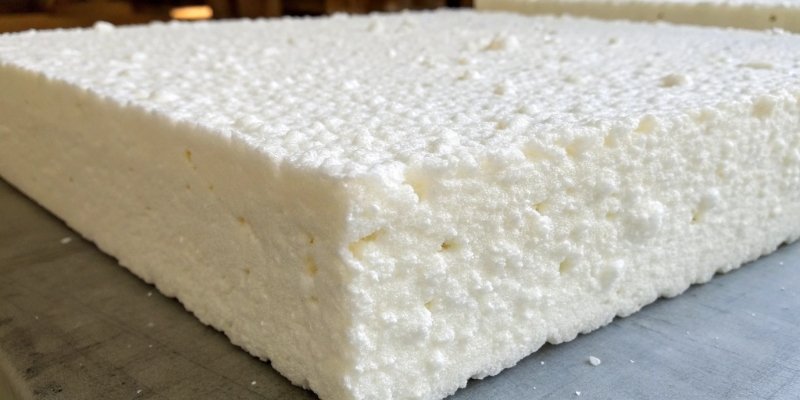
When a product needs to perform under heat, you cannot use standard foam. The formulation of the foam becomes the most critical factor. This is an area where a deep understanding of PU chemistry is essential for success.
Formulation is Key
The ability to resist heat comes from the foam’s chemical makeup, not the machine itself. Special polyols and isocyanates (like modified MDI) are used to create a polymer with a higher cross-link density. Think of it like building a structure with more cross-beams. This dense, tightly-linked structure is much more resistant to breaking down when exposed to heat. It’s what gives the foam its thermal stability for applications like automotive engine covers or industrial pipe insulation.
Machine Requirements
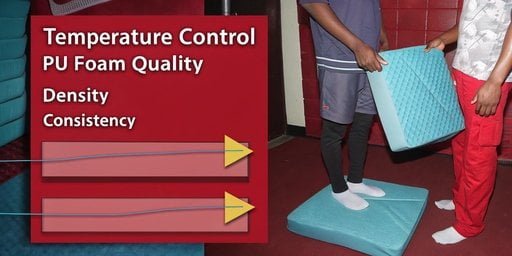
While the chemistry is most important, the machine must be able to properly process these special formulations. Some high-temperature formulas can be more viscous or require very specific and stable temperatures to react correctly[^2]. Our high-pressure machines are equipped with component tank heating and cooling systems and high-precision pumps. This level of control ensures that even these advanced, sensitive chemical systems are mixed perfectly every time, delivering the high-performance foam your application demands.
Conclusion
A high-pressure machine uses impingement mixing for superior foam quality and material savings. Understanding this helps you choose the right equipment to improve your production and boost your profits.
[^1]: "High Pressure | Custom-Engineered Polyurethane Equipment & Mix Heads", https://www.lindenindustries.com/polyurethane-mixing-dispensing-equipment/high-pressure-polyurethane-foam-machine/. This source provides technical specifications for high-pressure polyurethane foam machines, including operating pressures and pump mechanisms. Evidence role: statistic; source type: institution. Supports: High-pressure machines operate at pressures between 100 and 200 bar using metering pumps..
[^2]: "High Temp Foam – Amazon.com", https://www.amazon.com/high-temp-foam/s?k=high+temp+foam. This source discusses the processing challenges of high-temperature polyurethane foam formulations, including viscosity and temperature requirements. Evidence role: mechanism; source type: research. Supports: High-temperature polyurethane foam formulations may require specific viscosity and temperature controls during processing..
Leave a Reply