
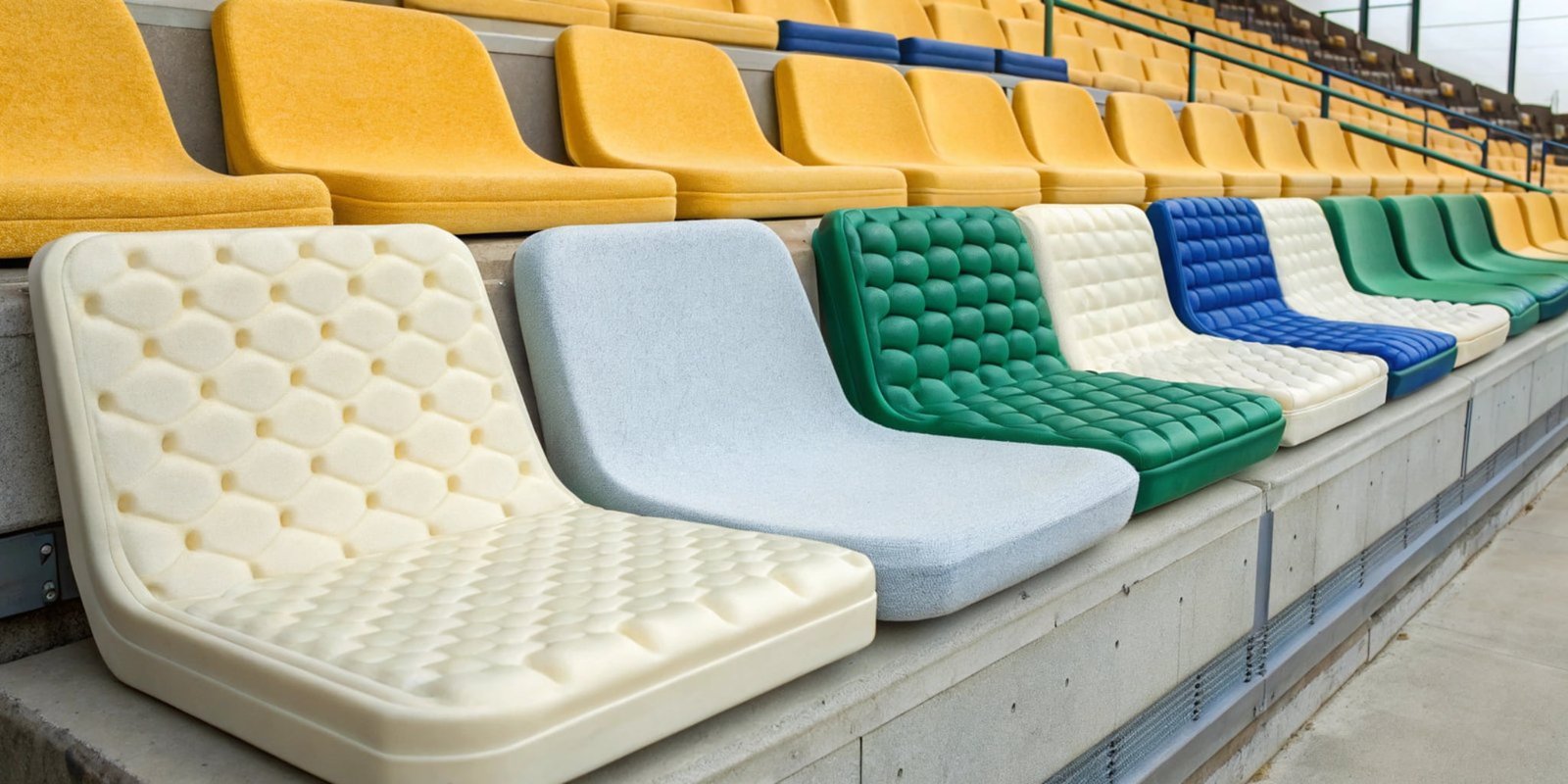
You see the word “polyurethane” on product labels but may not know its impact. This uncertainty can make it hard to see its potential. Let’s explore its vast applications.
Polyurethane is a highly versatile polymer used to make flexible foams for furniture, rigid foams for insulation, and durable elastomers for wheels and seals. Its applications span from everyday consumer goods to critical industrial components.
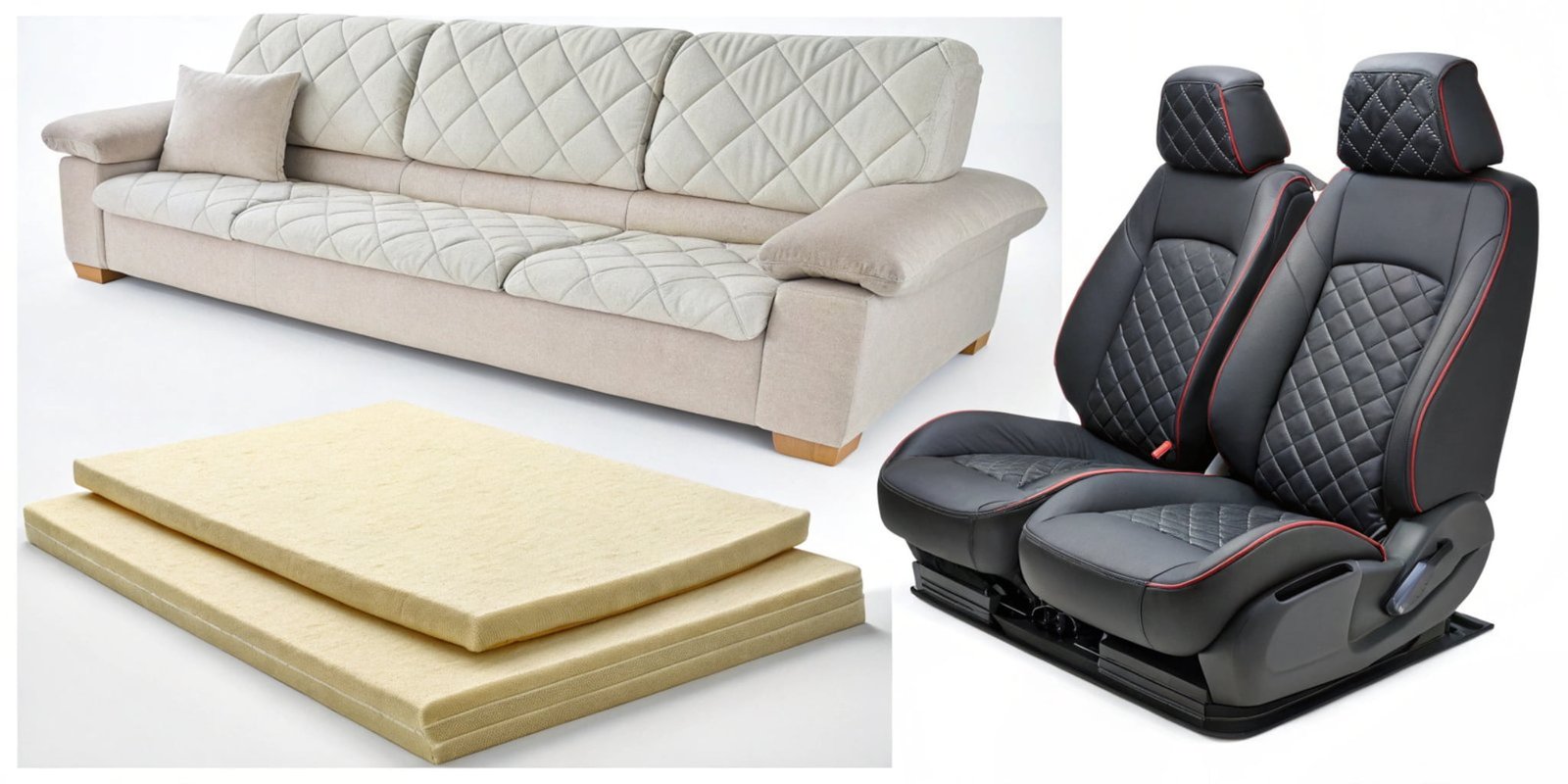
You probably interact with dozens of polyurethane products every day without even realizing it. This material is a hidden champion in our homes, cars, and offices. It’s so adaptable that it can be engineered to be soft and cushiony, hard and rigid, or tough and rubbery. Let’s look closer at where you can find this incredible material and what makes it so useful for manufacturers around the world.
What are the common applications of polyurethane in everyday life?
You might think polyurethane is just for industrial use. But you are likely sitting on it, sleeping on it, and even wearing it right now. Let’s uncover its role.
In everyday life, polyurethane is found in sofa cushions, memory foam mattresses, and pillows. It’s also used for the soles of your shoes and as spandex fibers in stretchy clothing, providing comfort and durability.

Polyurethane plays a huge role in making our daily lives more comfortable. Its ability to be formulated into different types of foams is key. At our company, we help furniture makers produce the exact foam they need for their products.
In Your Home
The most common use is in furniture and bedding. The soft foam in your sofa cushions is flexible polyurethane foam, designed for comfort and support. The memory foam in your mattress or pillow that conforms to your body is also a type of PU foam. It provides excellent pressure relief for a good night’s sleep. Even the yellow sponge you use to wash dishes is often made from a simple polyurethane foam.
In Your Closet and on Your Feet
Polyurethane is also in your wardrobe. The stretchy material in sportswear and jeans, known as Spandex or Lycra, is a polyurethane fiber. It gives clothes flexibility and helps them keep their shape. Furthermore, the soles of many athletic and casual shoes are made from polyurethane because it’s lightweight, durable, and provides great cushioning.
| Category | Everyday Product | Polyurethane’s Role |
|---|---|---|
| Furniture | Sofa Cushions | Provides soft, resilient comfort (Flexible Foam) |
| Bedding | Memory Foam Mattress | Conforms to the body for pressure relief |
| Apparel | Stretchy Clothing | Adds elasticity and shape retention (Spandex) |
| Footwear | Shoe Soles | Offers cushioning, durability, and light weight |
How is polyurethane utilized across different industries?
Manufacturers need materials that perform reliably under pressure. Choosing the wrong one leads to product failure, increased costs, and unhappy customers. Let’s see why so many industries trust polyurethane.
Industries rely on polyurethane for critical applications. The automotive industry uses it for seats and bumpers, construction for insulation panels, packaging for protective cushioning, and electronics for encapsulating sensitive components, protecting them from moisture and shock.
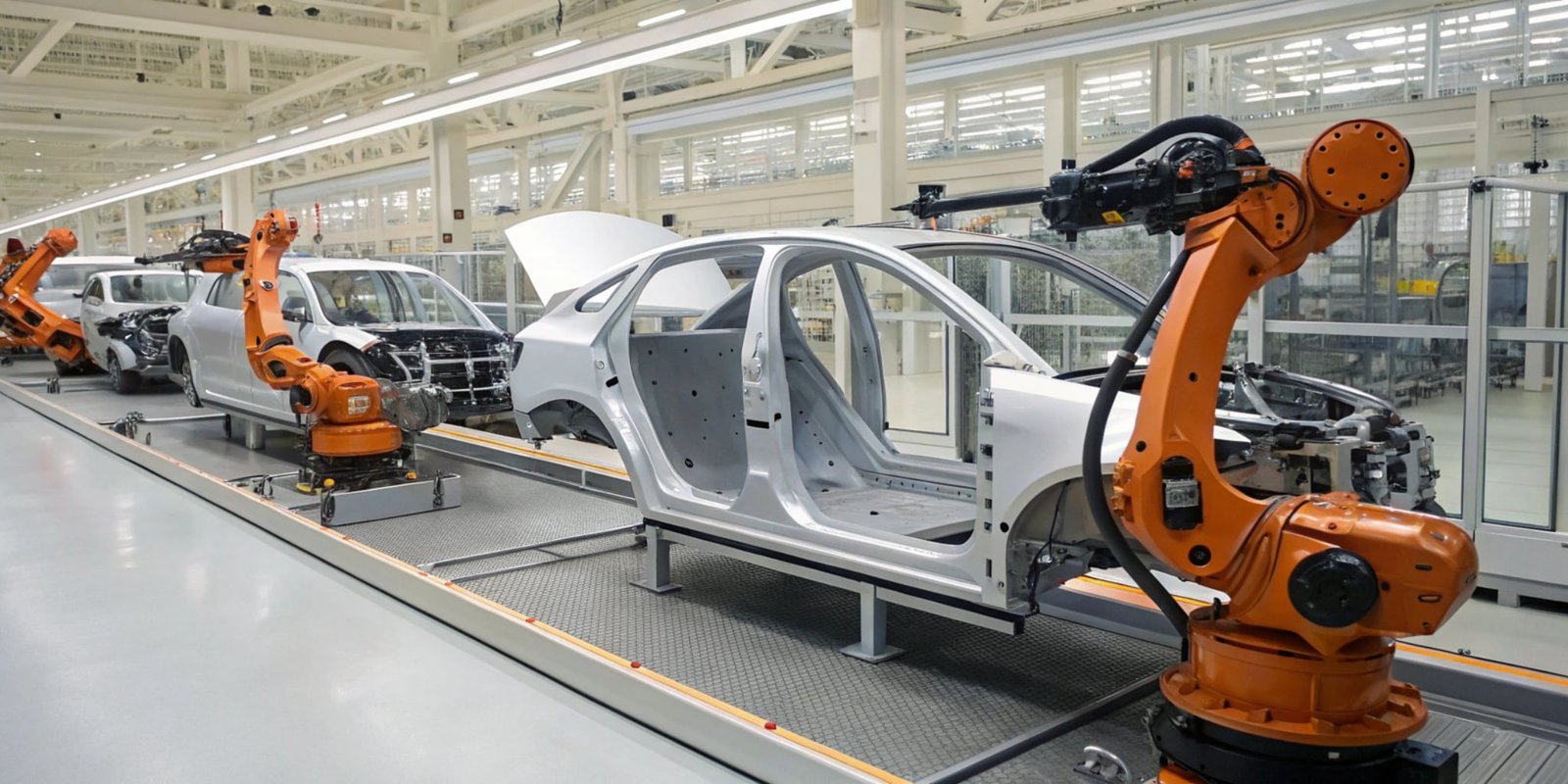
Beyond the home, polyurethane is a workhorse material in major industries. Its performance characteristics make it the perfect choice for applications where durability, efficiency, and reliability are essential. As a solution provider, we supply production lines tailored to these specific industrial needs.
The Automotive Industry
Cars are filled with polyurethane. The comfortable and durable seats are made from high-resilience (HR) flexible foam. Dashboards, door panels, and headliners often use a semi-rigid PU foam. It is also used for sound insulation to make the cabin quieter and for bumpers and spoilers because it is strong yet lightweight. Our high-pressure foaming machines are ideal for producing these high-quality automotive components.
The Construction Industry
In construction, rigid polyurethane foam is a top choice for insulation. It has excellent thermal resistance, which means it helps keep buildings warm in the winter and cool in the summer, saving energy. It comes in the form of rigid panels or can be applied as spray foam to seal gaps and cracks.
Industrial Packaging
For shipping valuable or fragile equipment, custom-molded rigid polyurethane foam is used to create protective packaging. It absorbs shock and vibration effectively, ensuring that products arrive at their destination safely. Our low-pressure machines are a cost-effective solution for producing this type of packaging foam.
What types of products are made using polyurethane materials?
You might hear “polyurethane” and think it’s just one material. This limits your understanding of what you can produce with it. Let’s explore the different forms of PU products.
Polyurethane is used to create a wide range of product types, including soft flexible foams for cushions, hard rigid foams for insulation, and tough elastomers for wheels and seals. It also serves as coatings, adhesives, and sealants.
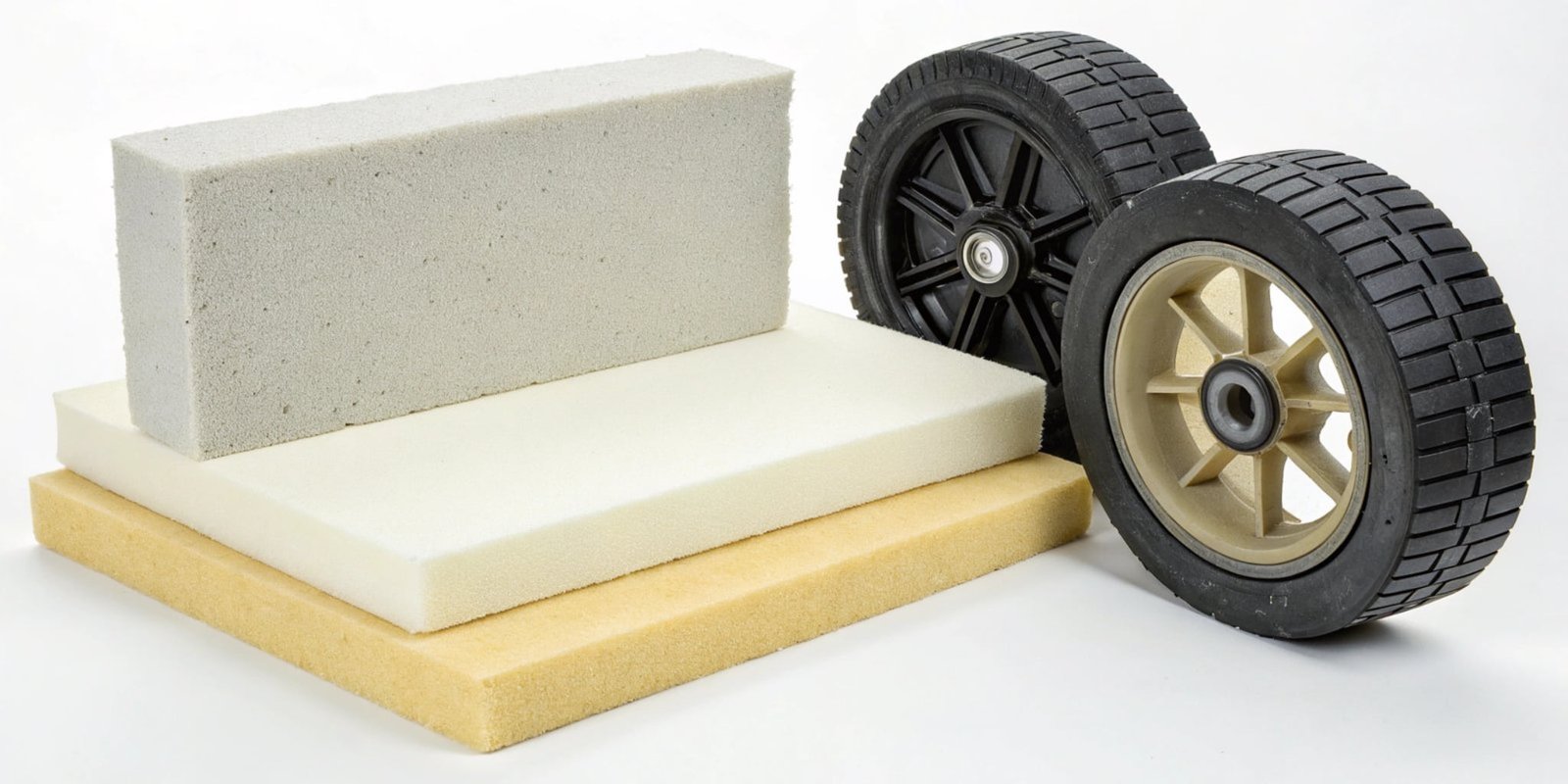
Polyurethane is not a single material but a family of polymers. By changing the chemistry, we can create materials with completely different properties. This is why it’s so versatile. At Foamor, our equipment is designed to handle this variety, allowing our clients to produce exactly what their market demands.
Flexible Foams
This is the most well-known type, used for anything that needs to be soft and comfortable. It includes the foam in furniture and mattresses, as well as the high-resilience (HR) foam for car seats. We specialize in high-pressure foaming machines that provide the precision needed to produce high-quality flexible foams consistently.
Rigid Foams
Rigid foams are strong, lightweight, and excellent insulators. They are used for building insulation panels, refrigerators and freezers, and protective packaging. They can also be molded into decorative architectural elements that look like wood. Our low-pressure foaming machines are an excellent, cost-effective choice for these applications.
Elastomers
Polyurethane elastomers are like a super-tough rubber. They are incredibly resistant to abrasion, impact, and chemicals. You find them in products that need to be very durable, such as skateboard wheels, industrial rollers, and seals and gaskets for machinery. Our elastomer casting machines are built to handle the specific process requirements for these high-performance materials.
What are the unique properties of polyurethane that make it versatile for various uses?
Choosing the right material is a critical decision for any manufacturer. Making the wrong choice leads to poor product quality, high waste, and lost profits. Let’s look at the key properties that make polyurethane so adaptable.
Polyurethane’s versatility comes from its highly tunable properties. Its density, hardness, and flexibility can be precisely controlled. It also offers excellent abrasion resistance, superior insulation value, and a high strength-to-weight ratio, making it suitable for many different applications.
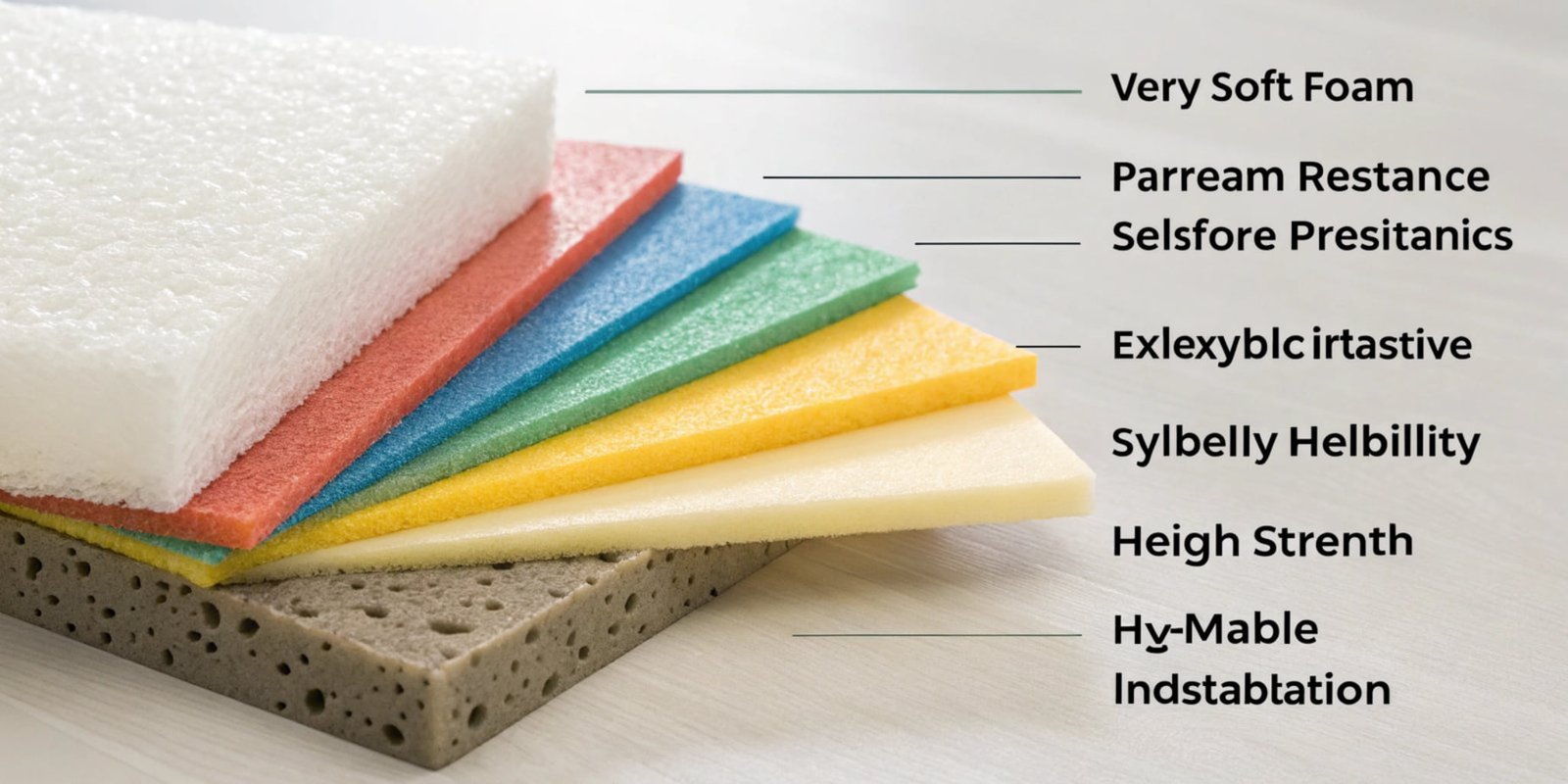
The reason polyurethane can be used in so many ways comes down to its chemistry. It is created by reacting two main liquid components: a polyol and an isocyanate. By carefully selecting these chemicals and adding small amounts of other additives, we can change the final properties of the material dramatically. This is where our process and formulation support becomes so valuable to our customers. We don’t just sell machines; we help you make the right foam.
Key Performance Properties
- Tunable Hardness and Density: We can formulate polyurethane to be as soft as a pillow or as hard as a solid plastic. This allows manufacturers to create products perfectly suited for their purpose, from comfort-focused furniture to structural components.
- Excellent Insulation: Rigid polyurethane foam contains millions of tiny, trapped gas bubbles. This structure makes it one of the most effective insulation materials available, which is why it’s used in refrigerators and energy-efficient buildings.
- Superior Abrasion Resistance: PU elastomers are tougher than most other plastics and rubbers.[^1] They can withstand scraping, rubbing, and impact, giving products like industrial wheels and rollers a very long service life.
- High Strength-to-Weight Ratio: Polyurethane can provide significant strength and support without being heavy. This is a major advantage in automotive and aerospace applications, where reducing weight is critical for fuel efficiency.
| Property | Benefit for Manufacturers | Example Application |
|---|---|---|
| Adjustable Chemistry | Create a wide range of products with one material | Soft foam, rigid foam, or elastomer |
| Abrasion Resistance | Longer product lifespan, fewer replacements | Caster wheels, mining screens, rollers |
| Excellent Insulation | High energy efficiency, better performance | Building insulation, refrigerators, freezers |
| Strength-to-Weight | Lighter products, lower shipping costs | Automotive bumpers, aerospace parts |
Conclusion
In short, polyurethane is an incredibly adaptable material found in countless products. Its unique, adjustable properties make it a smart and effective choice for manufacturers across many different industries.
[^1]: “Urethane Elastomers vs. Other Polymers: A Comparative …”, https://www.scupolymer.com/blog/urethane-elastomers-vs-other-polymers-performance-and-durability/. This source compares the abrasion resistance and durability of polyurethane elastomers to other plastics and rubbers. Evidence role: expert_consensus; source type: research. Supports: PU elastomers are tougher than most other plastics and rubbers..

Leave a Reply