
Are you searching for a material that is both tough and flexible? Your current parts wear out too quickly, leading to costly downtime. We have a durable, high-performance solution for you.
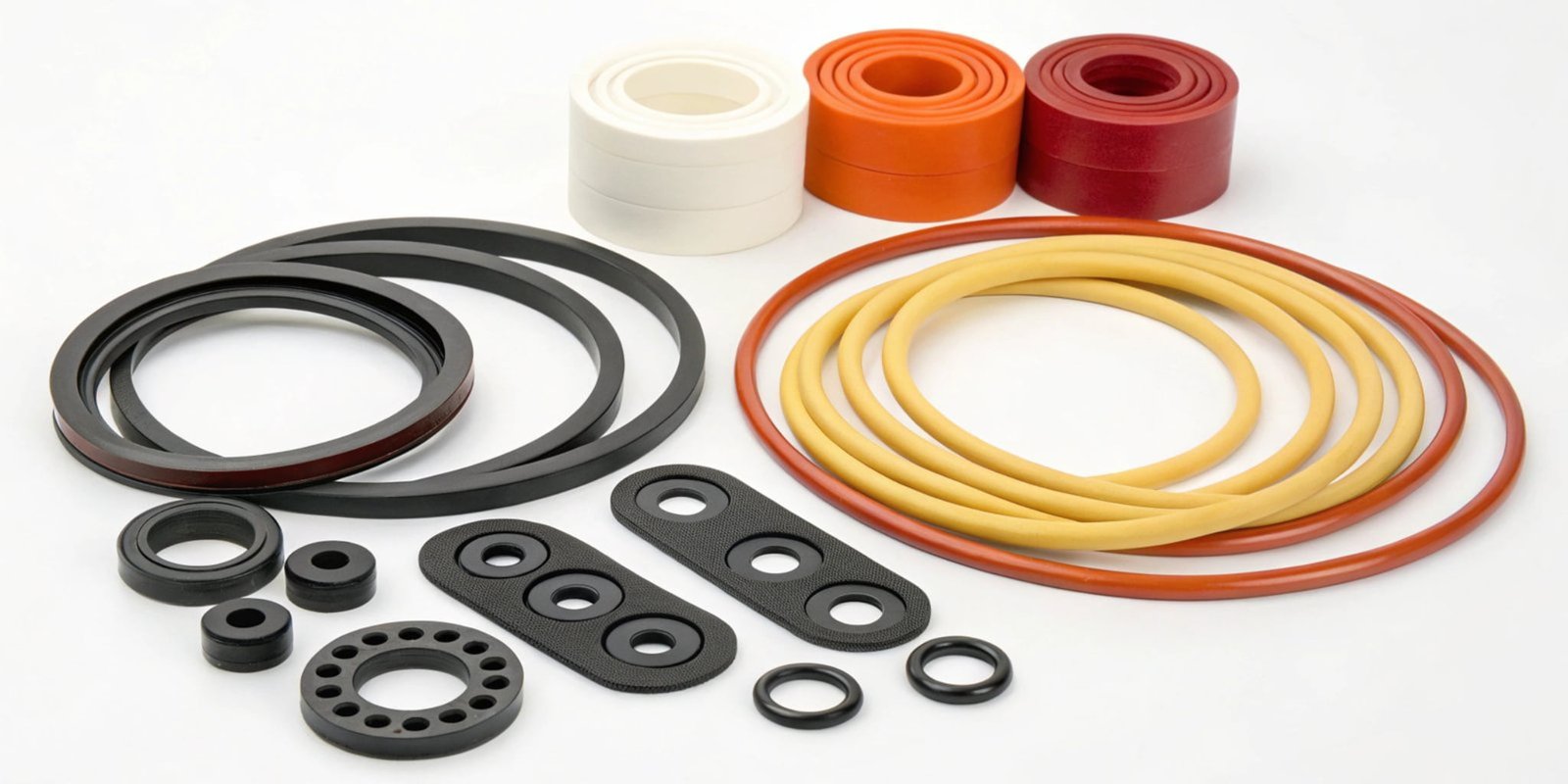
Polyurethane elastomers are used in demanding applications that need extreme durability, flexibility, and resistance to abrasion. This includes industrial wheels, rollers, seals, gaskets, mining screens, and automotive suspension parts, outperforming both rubber and plastic.
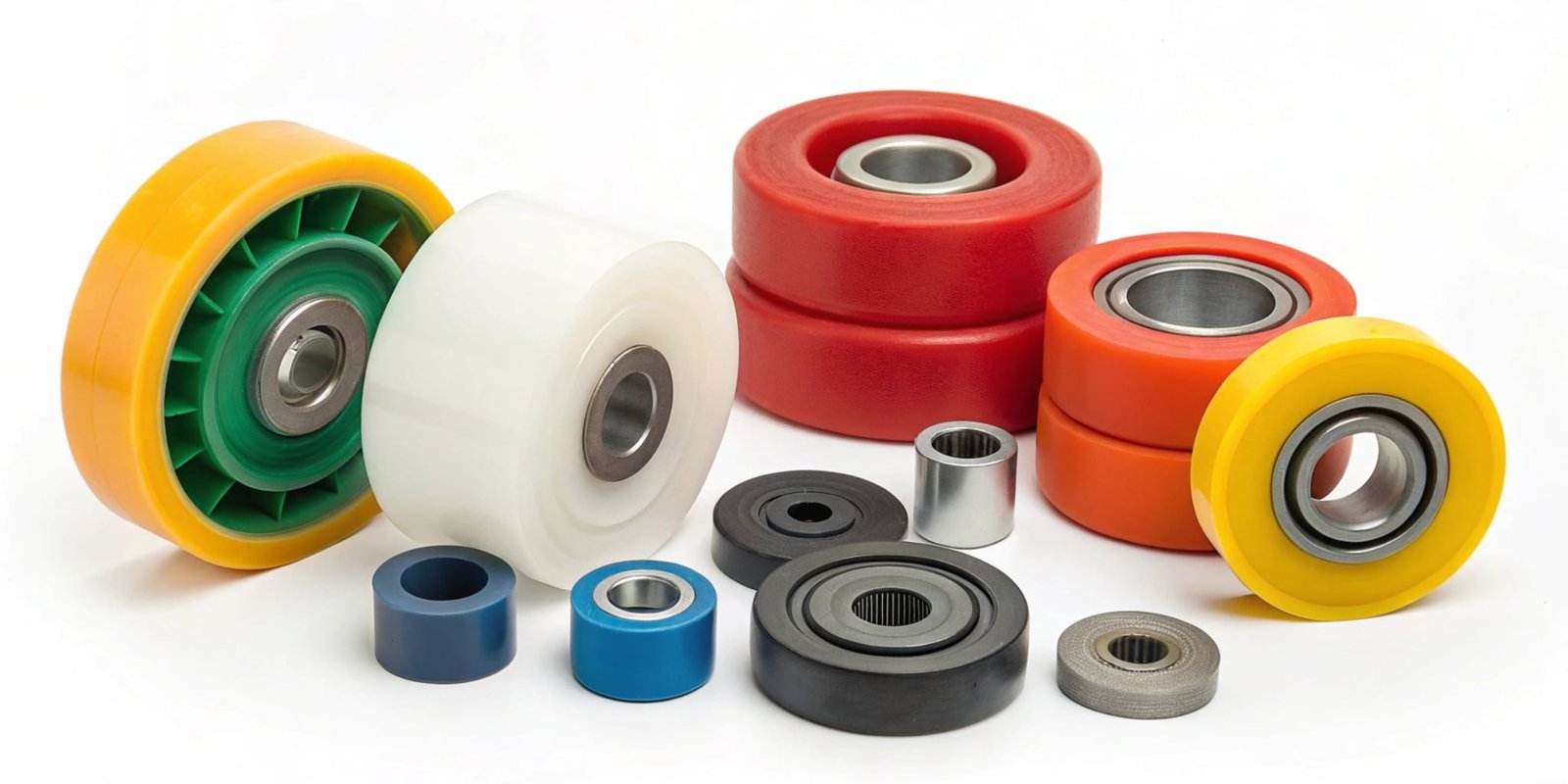
You see them everywhere, but you might not recognize them. These materials are true workhorses in modern industry. They solve problems where traditional rubber fails and hard plastics are too brittle. But to really understand their value, you need to know what they are and what makes them so different from other materials, including polyurethane foam. Let’s explore this unique material further.
What is a polyurethane elastomer?
Are you confused by all the different material names? You hear “elastomer” but are not sure what it means. We can explain it in simple terms.
A polyurethane (PU) elastomer is a unique polymer that behaves like rubber but offers the strength of a rigid plastic. It is incredibly resilient, meaning it can be stretched or compressed and will always return to its original shape.
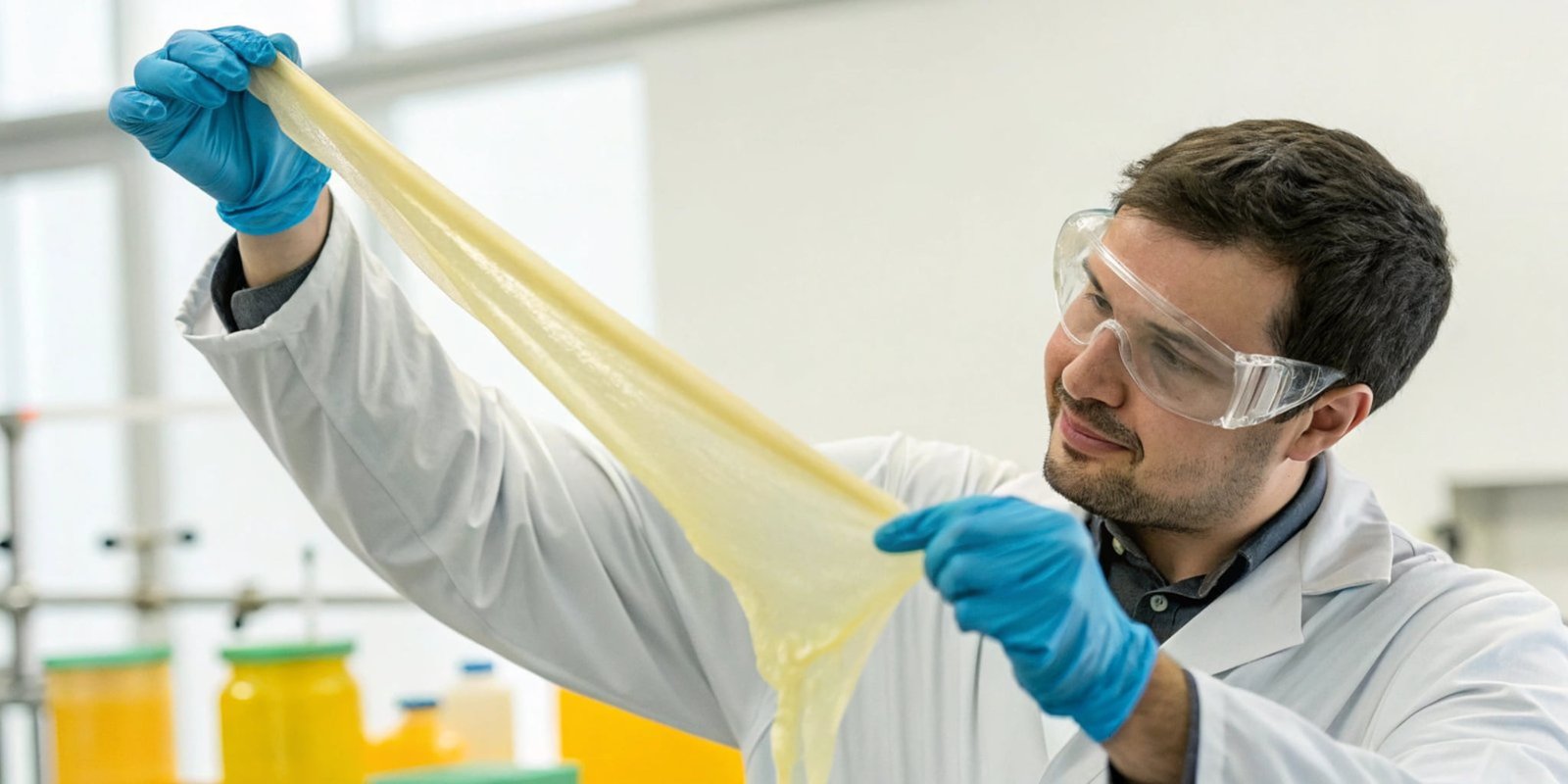
At our company, we work with both PU foam and PU elastomers. While they share the same basic chemical building blocks—polyol and isocyanate—they are completely different products. Think of it like water: it can be ice, liquid, or steam. The final form depends entirely on the process.
The key difference is air. PU foam is made by introducing gas to create a bubble-filled, cellular structure. This makes it lightweight and good for insulation or cushioning. An elastomer, on the other hand, must be completely solid.[^1] The manufacturing process is designed to remove every single air bubble. If even one bubble is present, the product is considered a failure because it creates a weak point.
This bubble-free, solid structure gives the elastomer its incredible strength and resilience.
Foam vs. Elastomer: The Core Difference
| Feature | Polyurethane Foam | Polyurethane Elastomer |
|---|---|---|
| Structure | Cellular, contains bubbles | Solid, bubble-free |
| Key Property | Lightweight, cushioning, insulation | High strength, abrasion resistance, elasticity |
| Main Goal | Control bubble size and density | Eliminate all bubbles completely |
| Common Use | Sofa cushions, mattresses, insulation | Industrial wheels, seals, machine parts |
Is polyurethane a rubber or a plastic?
Is it rubber? Or is it plastic? Choosing the wrong material for your product can lead to failures and high costs. Let’s clear up this common confusion.
Polyurethane is technically neither a traditional rubber nor a plastic; it sits in its own category. It has the high elasticity of rubber but also the high load-bearing capacity and abrasion resistance of a hard engineering plastic.
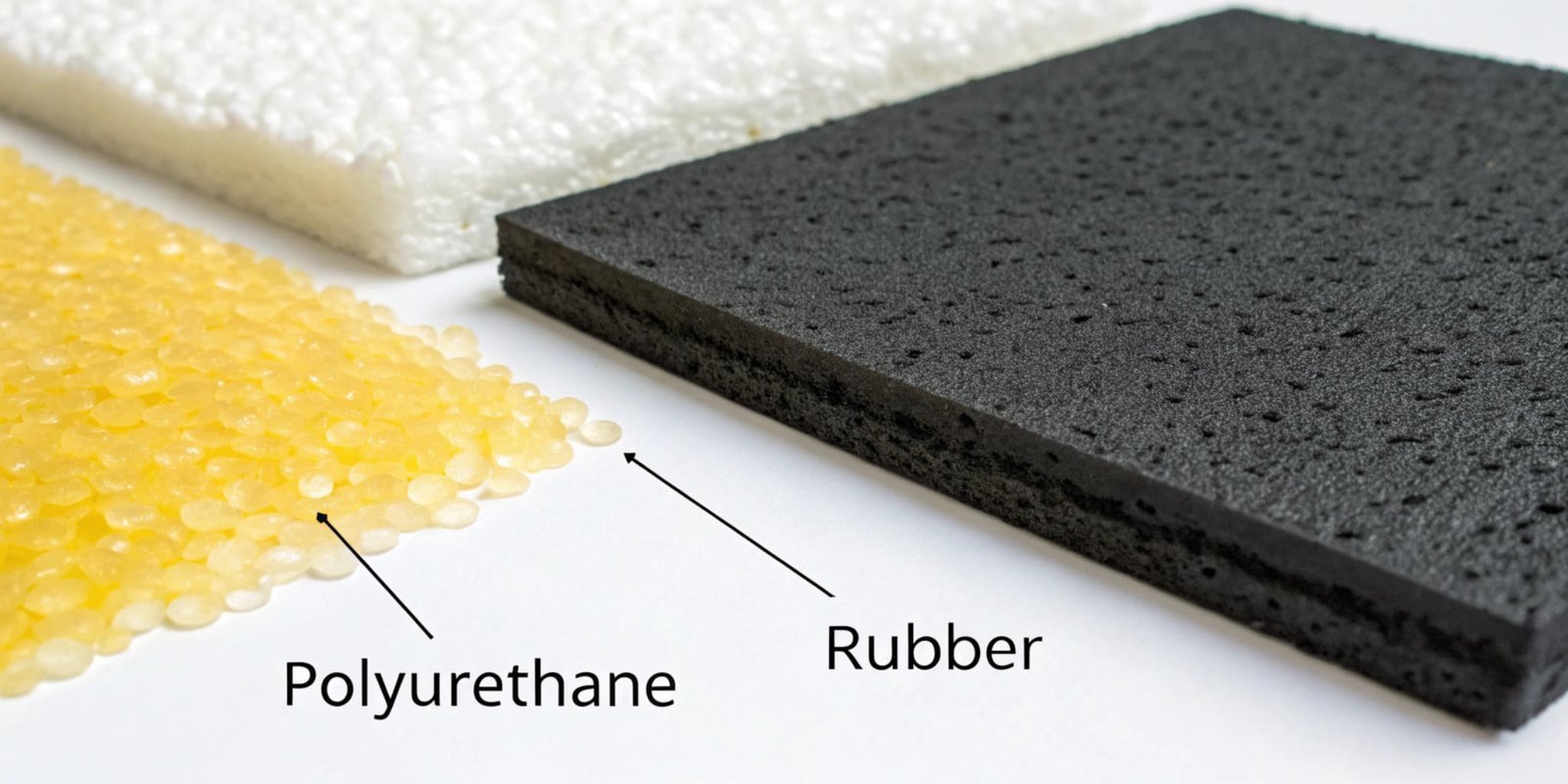
This is what makes PU elastomers so special. They bridge the gap between materials, offering a combination of properties you cannot find in either one alone. When a customer comes to us because their rubber wheels are wearing out too fast or their plastic parts are cracking under load, a PU elastomer is often the perfect answer. It provides a “best of both worlds” solution.
For example, a rubber wheel on a forklift might wear down quickly under heavy loads. A hard plastic wheel would resist wear but might crack on an uneven surface and provide a very harsh ride. A polyurethane elastomer wheel, however, can carry the heavy load, resist wear and tear, and still provide enough flexibility to absorb impacts.
Material Property Comparison
| Property | Natural Rubber | Hard Plastic (e.g., Nylon) | PU Elastomer |
|---|---|---|---|
| Elasticity | High | Low | High |
| Abrasion Resistance | Fair | Good | Excellent |
| Load Capacity | Low to Medium | High | Very High |
| Tear Strength | Good | Poor | Excellent |
| Processing | Curing/Vulcanization | Injection Molding | Liquid Casting |
What are the applications of polyurethane elastomers?
Are you looking for a material that won’t fail under intense pressure? When your components wear out, it causes expensive downtime. There is a much better way to operate.
The applications for PU elastomers are extensive, covering everything from heavy-duty industrial rollers and mining equipment to precise seals and automotive bushings. They are chosen wherever extreme durability and reliability are required.
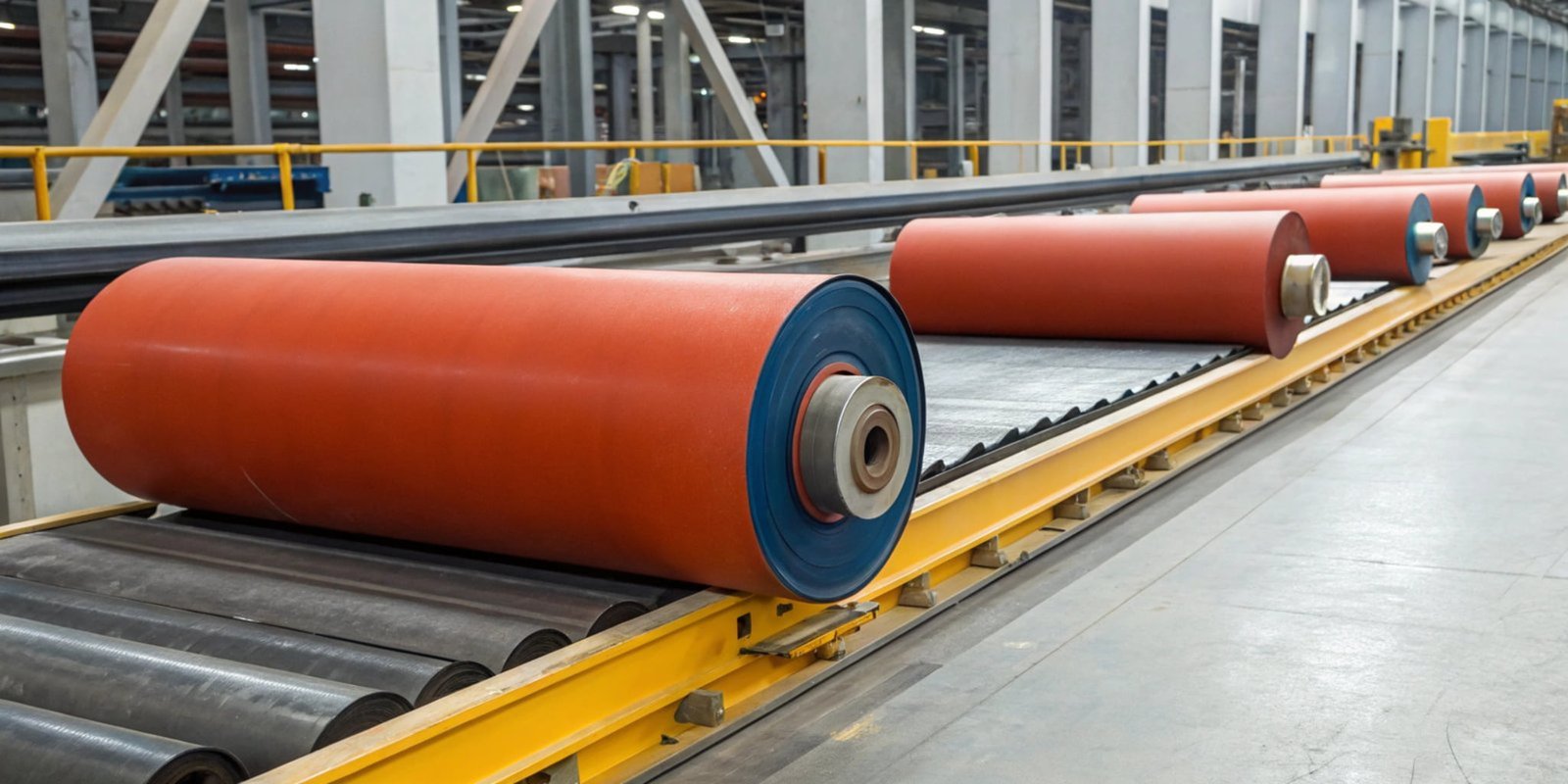
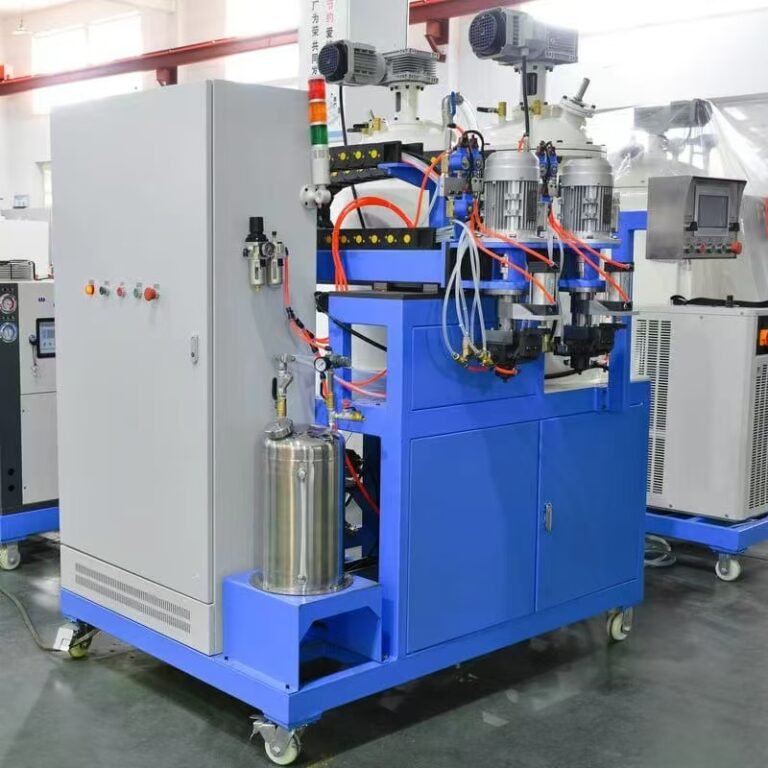
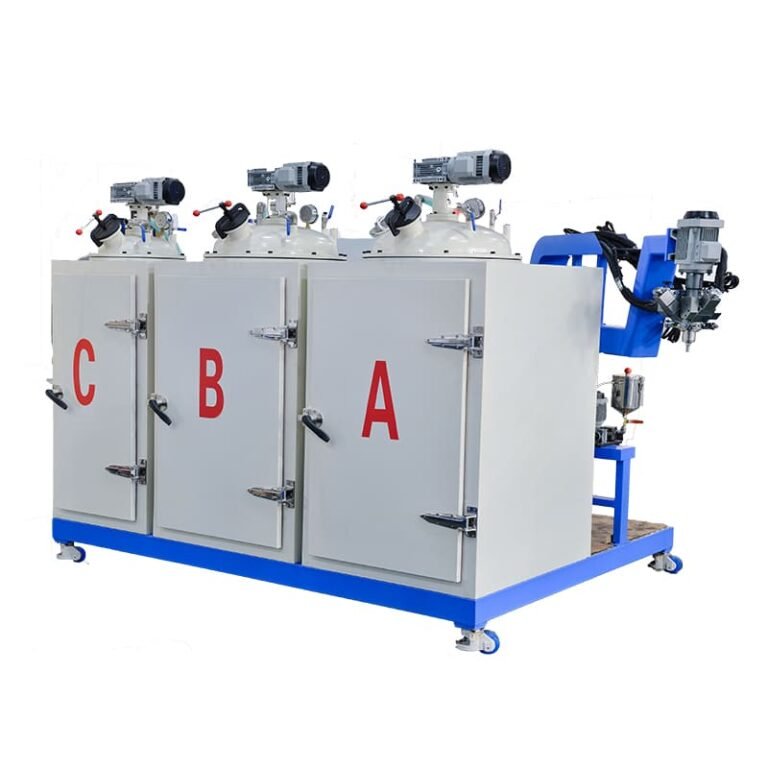
Because PU elastomers are made through a chemical reaction, we can adjust the formulation to achieve specific properties. This allows us to create different grades of elastomers for different operating environments. As a machine manufacturer, we design our elastomer casting machines to handle these different formulations, particularly those based on temperature requirements. This is a critical factor for our clients.
We generally classify elastomers into three main categories based on the temperatures they can handle during processing and in their final use.
Elastomer Grades and Common Uses
| Elastomer Type | Curing Temperature | Key Characteristics | Example Applications |
|---|---|---|---|
| High-Temperature | Above 100°C | Highest performance, excellent heat and chemical resistance. | High-load industrial rollers, seals for hot environments, durable parts for mining equipment. |
| Medium-Temperature | 40°C – 80°C | Good balance of performance and processing ease. | Electrical cabinet door seals, automotive filter seals, general-purpose industrial parts. |
| Low-Temperature | Room Temperature | Easiest to process, cost-effective for less demanding uses. | Molds for concrete casting, some prototyping, architectural elements. |
What are the disadvantages of polyurethane?
Do you think polyurethane is the perfect solution for everything? Before you invest, you need to understand its limitations. A hidden weakness can ruin your project and budget.
The main disadvantages of polyurethane include a higher initial cost compared to commodity rubbers, limited resistance to high temperatures over long periods, and susceptibility to degradation from UV radiation and certain strong chemicals.
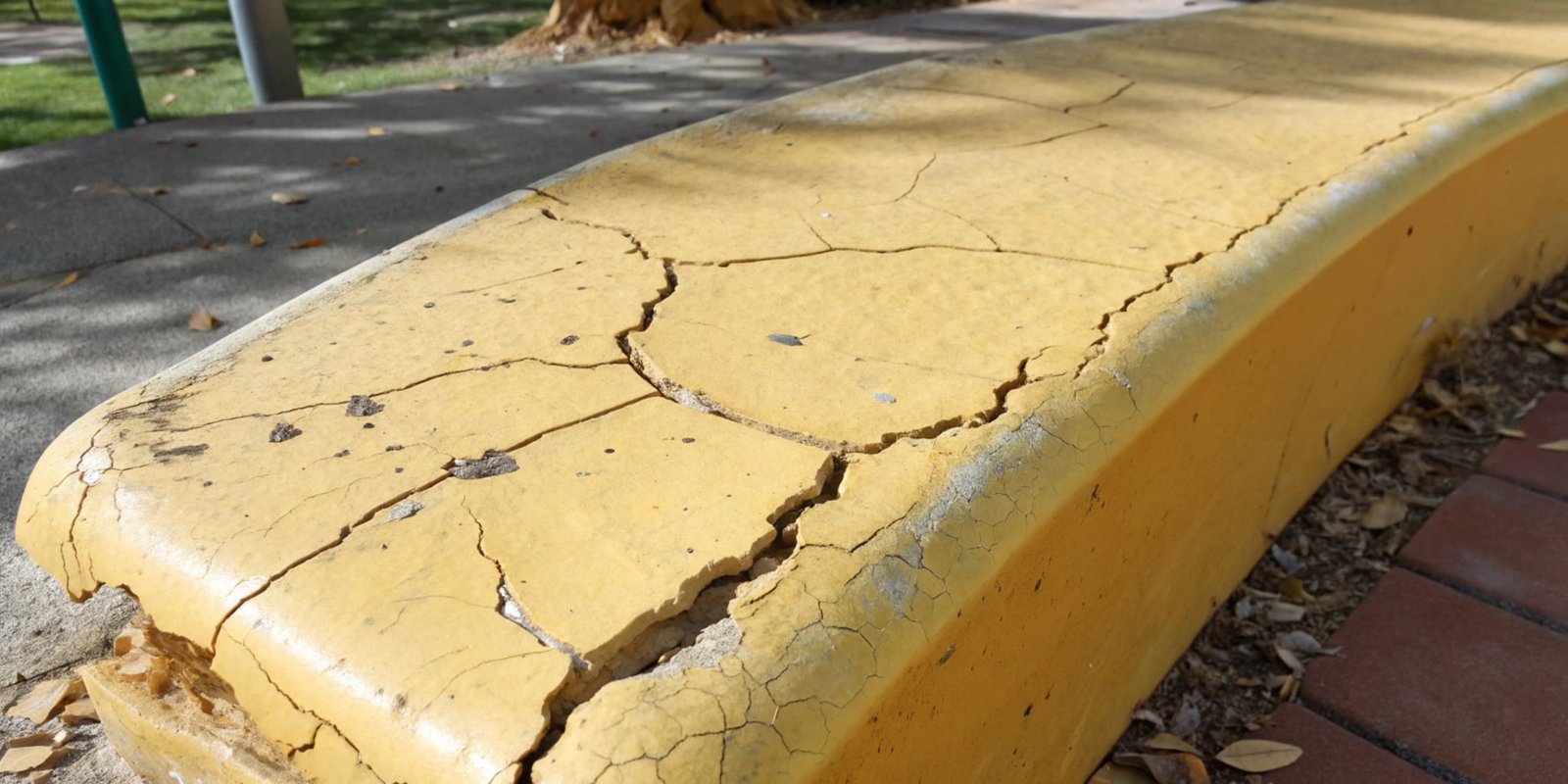
No material is perfect, and it’s important to be honest about the trade-offs. While polyurethane elastomers are amazing, they are not the right choice for every single application. Understanding their weaknesses is just as important as knowing their strengths.
First, the cost can be higher. The raw materials are more advanced and the processing requires precision equipment, like our high-precision elastomer casting machines. However, we always tell our clients to look at the total cost of ownership. A PU part might cost more upfront but will last three to five times longer than a rubber part, saving money on replacements and downtime.
Second, UV radiation from the sun can affect PU. Over time, it can cause the material to lose its color and become more brittle. For outdoor applications, special UV-stabilizing additives must be included in the formulation.
Finally, while PU has good chemical resistance, it can be attacked by strong acids, bases, and certain solvents. You must always check that the material is compatible with its operating environment.
Conclusion
In summary, polyurethane elastomers are a unique class of materials. They offer unmatched durability and versatility for demanding industrial jobs, successfully bridging the gap between rubber and plastic.
[^1]: “Polyurethane”, https://en.wikipedia.org/wiki/Polyurethane. This source details the manufacturing requirements for polyurethane elastomers, emphasizing the need for a solid, bubble-free structure. Evidence role: mechanism; source type: education. Supports: An elastomer, on the other hand, must be completely solid..
Leave a Reply