

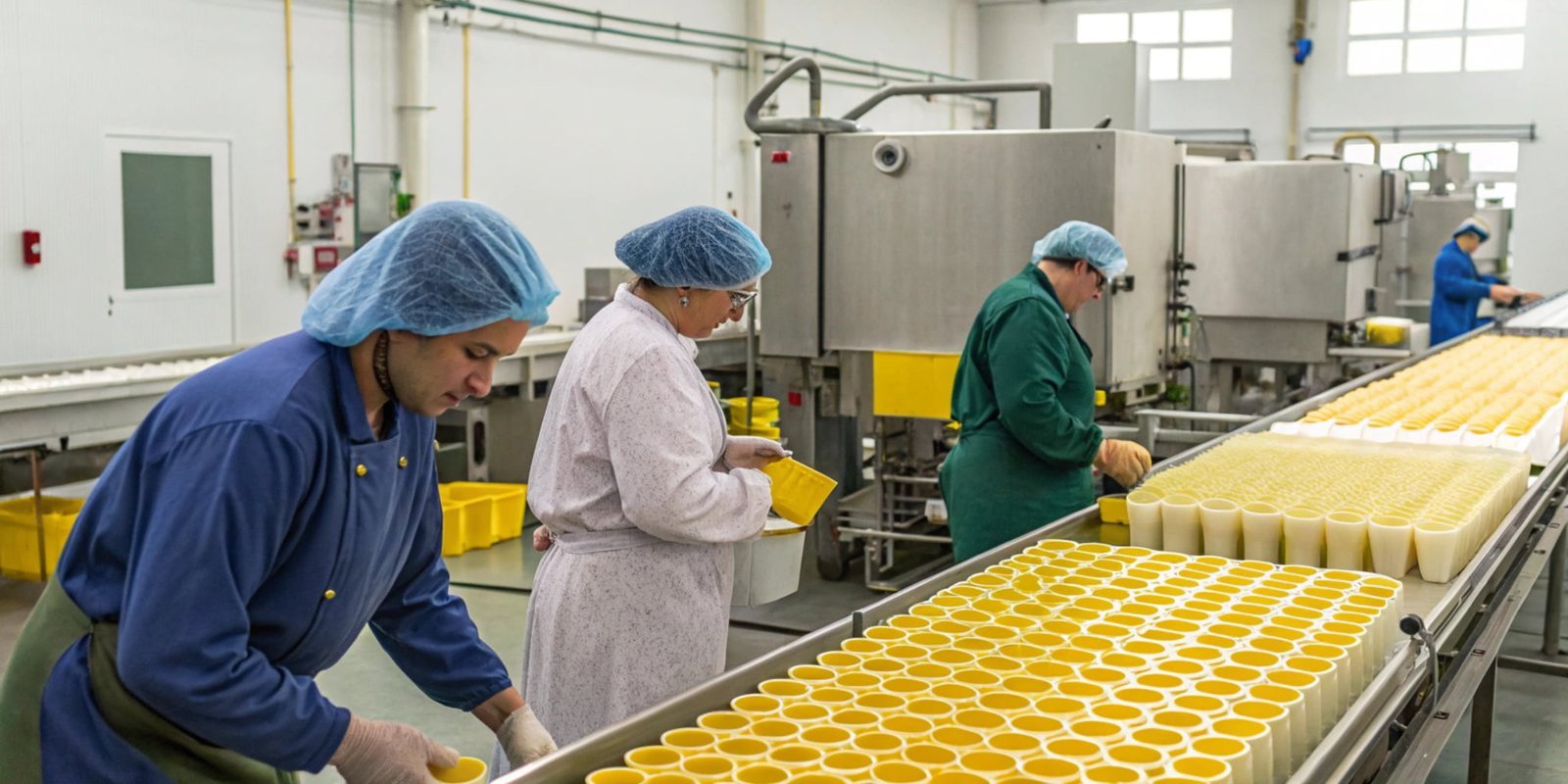
Struggling with the costs and waste of small-batch PU production? This inefficiency hurts your profits and ability to compete. Smart, flexible strategies can make these jobs profitable.
Adopt a flexible approach. Use customizable, modular equipment like a low-pressure machine with quick-change molds. Streamline your processes for fast changeovers and train operators well. This minimizes material waste and downtime, making small batches efficient and profitable.
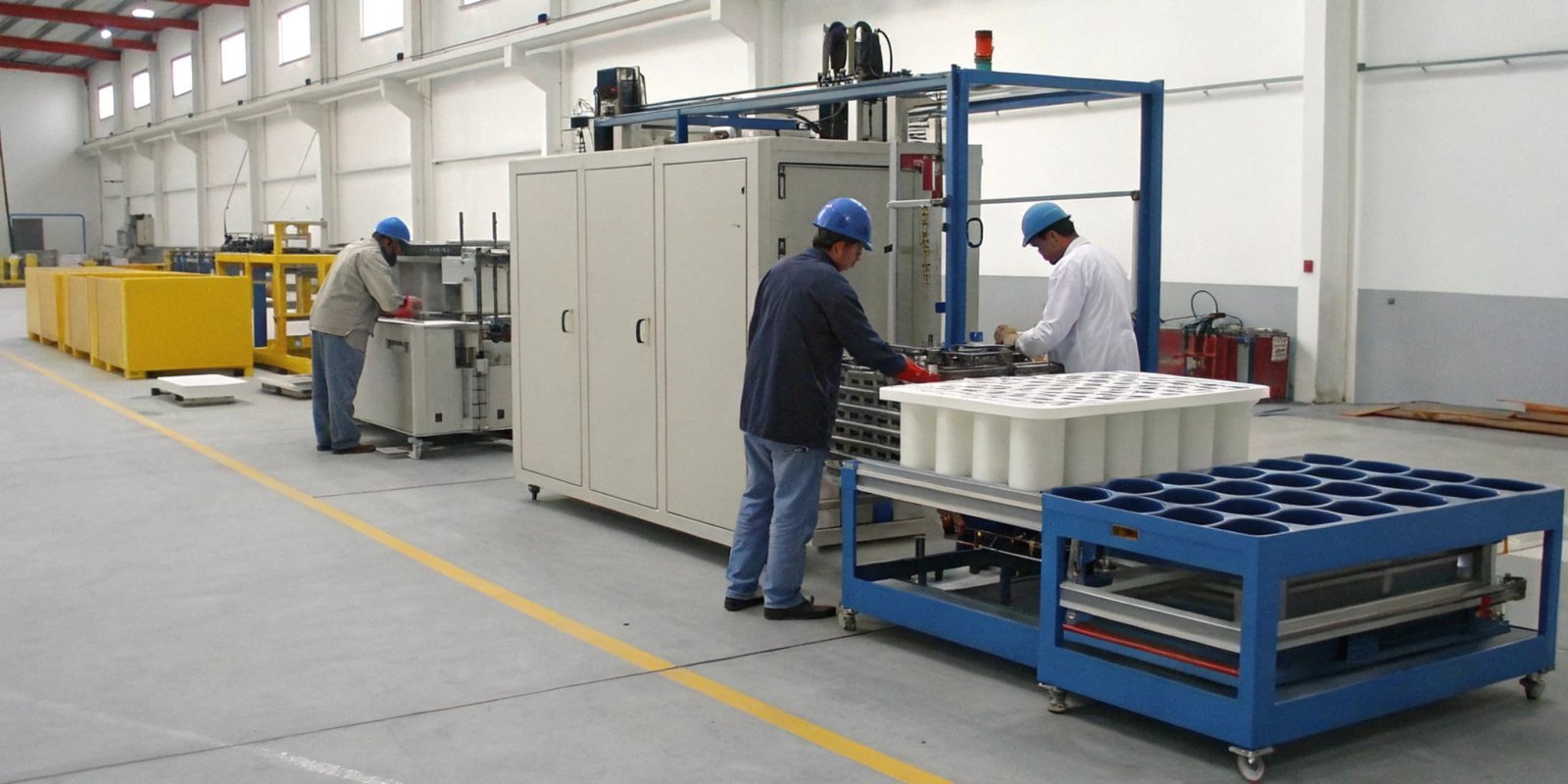
You see the big picture, but how does this apply to your factory floor? You have a budget, and you can’t afford mistakes. I get it. The key isn’t a huge investment, but smart changes. Let’s break it down and explore practical steps to improve your operations.
How can factories optimize small-batch production processes for polyurethane products?
Are long changeover times between batches killing your efficiency? This downtime costs you money and orders. You can dramatically shorten this time with a few simple process adjustments.
Focus on a “Single-Minute Exchange of Die” (SMED) mindset. Prepare materials and molds for the next job before the current one finishes. Use quick-release clamps and standardized procedures to make changeovers fast and repeatable for everyone on your team.
I’ve seen this problem in many factories. The machine stops, and then everyone starts looking for the next mold, cleaning the workspace, or finding the right chemical drums. This is lost time. The solution is to separate your tasks into “internal” (machine must be stopped) and “external” (can be done while the machine is running) activities.
Pre-Job Preparation
This is the most important “external” activity. While your current batch is running, your team should already be preparing for the next one. This includes bringing the correct mold to the production area, pre-heating it if necessary, and ensuring the required Polyol and Isocyanate are ready. We help our clients create simple checklists for this stage. It removes guesswork and ensures nothing is forgotten, which is a common source of delays and errors in small-batch runs.
Standardized Changeover Steps
Once the machine stops, the clock is ticking. The goal is to have a clear, step-by-step procedure that any trained operator can follow.
| Traditional Method (Slow) | Optimized Method (Fast) |
|---|---|
| Finish job, then find new mold. | New mold is already waiting. |
| Use bolts to secure mold. | Use quick-release clamps. |
| Operator guesses settings. | Pre-programmed recipe is loaded. |
| Clean up area after change. | Work area is kept clean always. |
By standardizing these “internal” steps, you reduce the changeover from an hour to maybe 15 minutes. For a factory running multiple small batches a day, this adds up to hours of extra production time each week.
What tools and techniques support efficient small-scale polyurethane manufacturing?
Using equipment designed for large-scale production for small batches? This leads to material waste and inconsistent quality. The right tools are essential for efficiency, even on a smaller scale.
The most critical tool is a customizable foaming machine. A low-pressure machine is often perfect, as it’s cost-effective and flexible. Combine this with modular molds, precise digital controls for recipes, and a well-organized workspace. These tools directly support fast and repeatable small-batch runs.
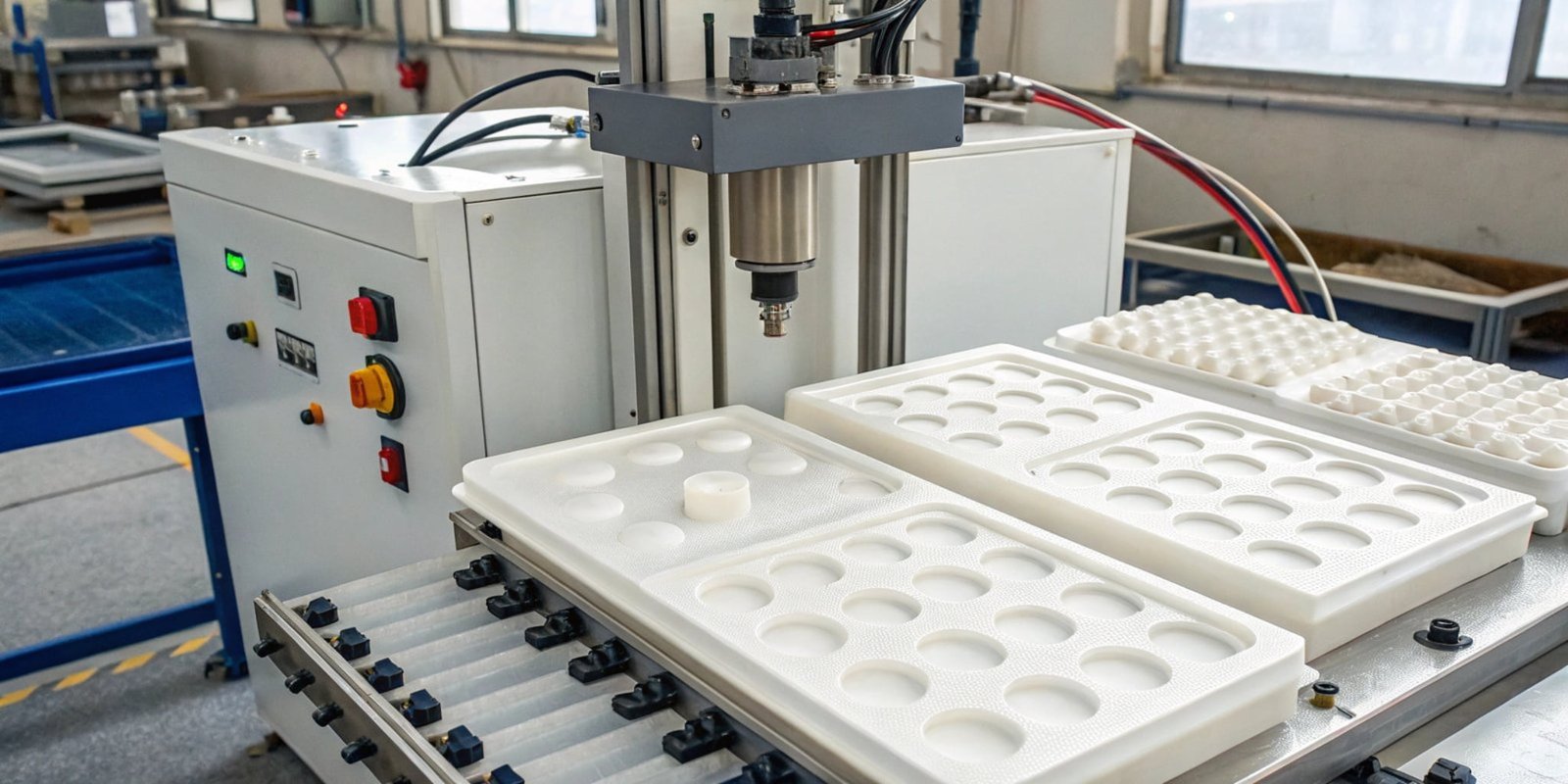
When I talk to production directors like Nguyen Van Hieu in Vietnam, their biggest fear is buying the wrong machine. They have a limited budget and need something that works for their specific products, like sofa cushions or mattress toppers. The good news is, you don’t need a massive, expensive machine. You need the right machine.
The Right Foaming Machine
For small-batch production, flexibility is more important than massive output. We often recommend a customized low-pressure machine because it offers the best balance of performance, cost, and flexibility.
| Feature | High-Pressure Machine | Low-Pressure Machine | Why it Matters for Small Batches |
|---|---|---|---|
| Cost | Higher ($30k – $60k+) | Lower ($10k – $30k) | More budget-friendly for smaller factories. |
| Cleaning | Mechanical (self-cleaning) | Solvent flush or air purge | Low-pressure is simple, but requires a good cleaning procedure. |
| Flexibility | Best for one or two formulations | Excellent for multiple formulations | Easier to switch between different types of foam. |
| Customization | Standard models | Highly customizable | We can remove features you don’t need to lower the cost. |
As a custom equipment builder, our goal is to design a machine that fits your budget and needs. If you don’t need a high level of automation, we can remove it. This lowers the price and makes the machine simpler to operate and maintain.
Essential Auxiliary Equipment
Beyond the machine, you need simple tools that support efficiency. This includes quick-release connectors for your molds, a digital scale for checking part weight, and a well-lit, organized workbench for finishing and inspection. These small investments make a big difference in the daily workflow.
What are the best practices for cost-effective production of small quantities of polyurethane items?
Are rising raw material costs eating your profit margins? Every drop of wasted chemical is money you can’t get back. You can significantly reduce costs with some simple best practices.
Focus on three areas: precise material metering, minimizing waste during cleaning, and optimizing your foam formulation. Use a machine with accurate pumps and work with a supplier who can help you adjust formulations for maximum yield.
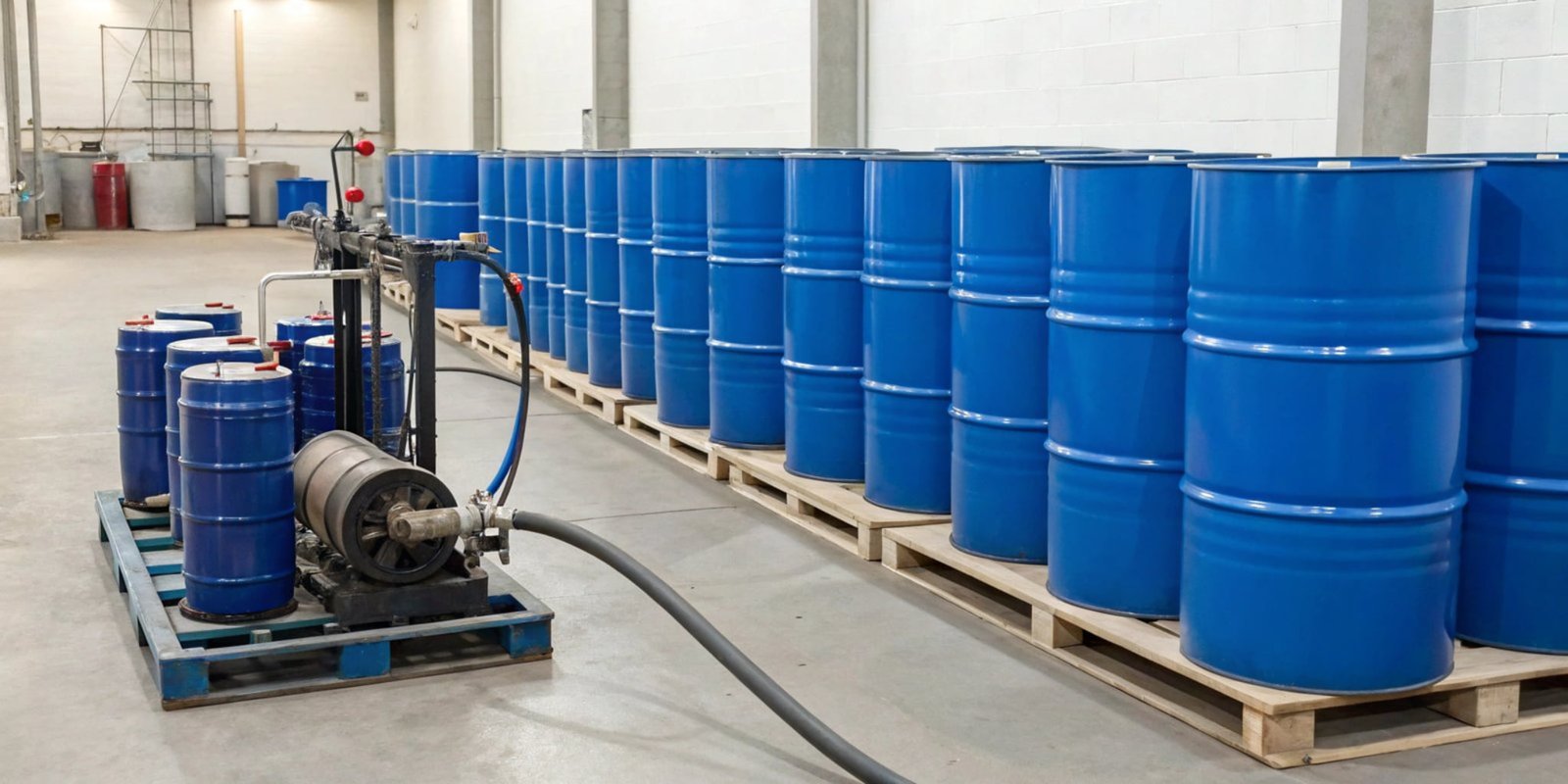
When I visit factories, I often see two major sources of waste. First is off-spec parts that have to be thrown away. Second is the material wasted during startups, shutdowns, and cleaning. For small-batch production, where you do this more often, controlling this waste is critical for profitability. In fact, many of our clients find that a new, more precise machine pays for itself within 6-12 months just from material savings.
Material Management
Your polyurethane chemicals are the biggest variable cost. Managing them well is key. This starts with accurate metering. A good machine with reliable pumps ensures you use the exact amount of material needed for each part—no more, no less. It also involves proper storage, keeping materials at the right temperature to ensure they react correctly.
Process Efficiency
Every step of the process is an opportunity to save money.
| Cost-Saving Area | Action to Take | Financial Impact |
|---|---|---|
| Shot Size | Calibrate machine for precise shots | Reduces over-filling and material waste per part. |
| Cleaning | Use a machine with an efficient cleaning cycle | Lowers solvent consumption and chemical waste. |
| Formulation | Work with us to optimize your recipe | Can reduce density while maintaining quality, saving material. |
| Operator Training | Train operators to avoid common mistakes | Fewer rejected parts means less scrap and wasted labor. |
We don’t just sell machines; we provide the process knowledge to go with them. We have a library of formulations and can help you adjust yours to get the best performance with the least amount of material. This is a service most equipment suppliers don’t offer.
How can factories improve quality control in small-batch polyurethane production?
Is inconsistent quality causing customer complaints and rejected parts? This damages your reputation and is very expensive. A systematic quality control process is essential to guarantee consistency for every batch.
Implement quality checks at three key stages: incoming raw materials, in-process parameters (temperature, pressure, ratio), and final product testing (density, hardness). Use simple checklists and empower your operators to spot issues early. Consistency comes from a consistent process.
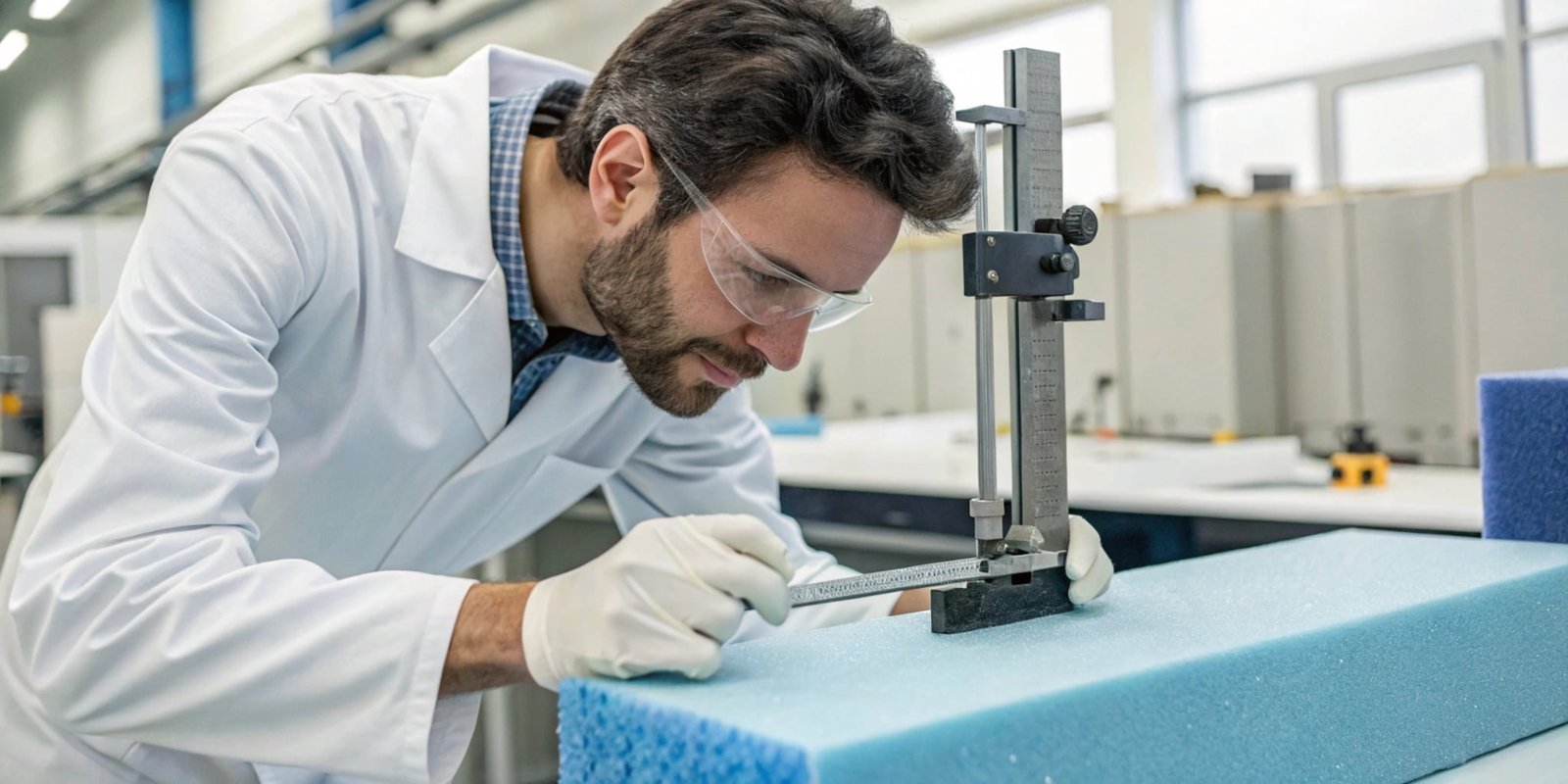
For a factory that supplies major clients like IKEA, quality is not optional. The challenge with small-batch production is maintaining that quality when you are constantly changing products and settings. The key is not to inspect quality at the end, but to build it into every step of the process. Your operators are your first line of defense.
In-Process Quality Checks
This is where you prevent defects before they happen. Our machines are built with reliable sensors for temperature and pressure because these variables are critical. We train operators to monitor these settings on the control panel. They should have a simple checklist for each job that tells them the target temperature for the chemicals and the correct pressure for the pumps. If a number is outside the target range, they know to stop and ask for help before making a bad part.
Final Product Validation
After a part is demolded, a few quick checks can confirm its quality. This doesn’t have to be complicated.
| QC Stage | Key Checks | Simple Tools Needed |
|---|---|---|
| Incoming Materials | Check labels, viscosity, temperature | Thermometer, visual inspection |
| In-Process | Monitor machine temperature & pressure | Machine’s control panel, checklist |
| Final Product | Check weight, dimensions, hardness, appearance | Digital scale, calipers, durometer |
We help our clients create these simple QC documents and provide the on-site training so their teams can use them effectively. This systematic approach ensures that the first part of a batch is the same quality as the last, giving you the consistency needed to satisfy demanding customers and reduce costly rejections.
Conclusion
Small-batch PU production is not about having the biggest machine, but the smartest process. With flexible equipment and the right partner, you can make every small order profitable.
Leave a Reply