
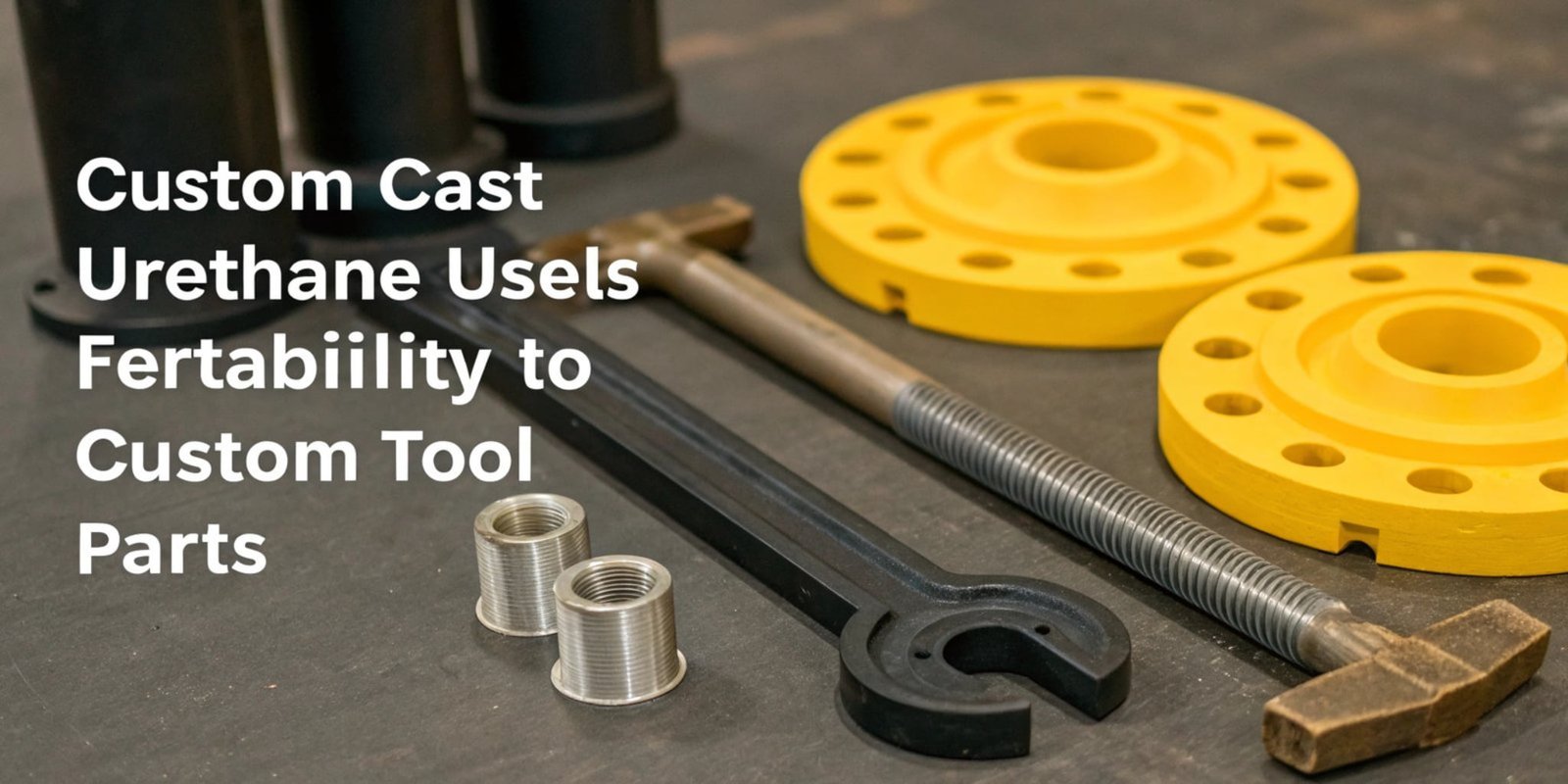
Your tooling is slow and expensive to make. This creates project delays and budget overruns, hurting your bottom line. Custom cast urethane offers a faster, more flexible, and cost-effective solution.
Cast urethane is ideal for tool manufacturing because it combines durability, design flexibility, and cost-effectiveness. It allows for the rapid production of custom jigs, fixtures, and molds for short runs, significantly reducing lead times and expenses compared to traditional metal machining or injection molding.
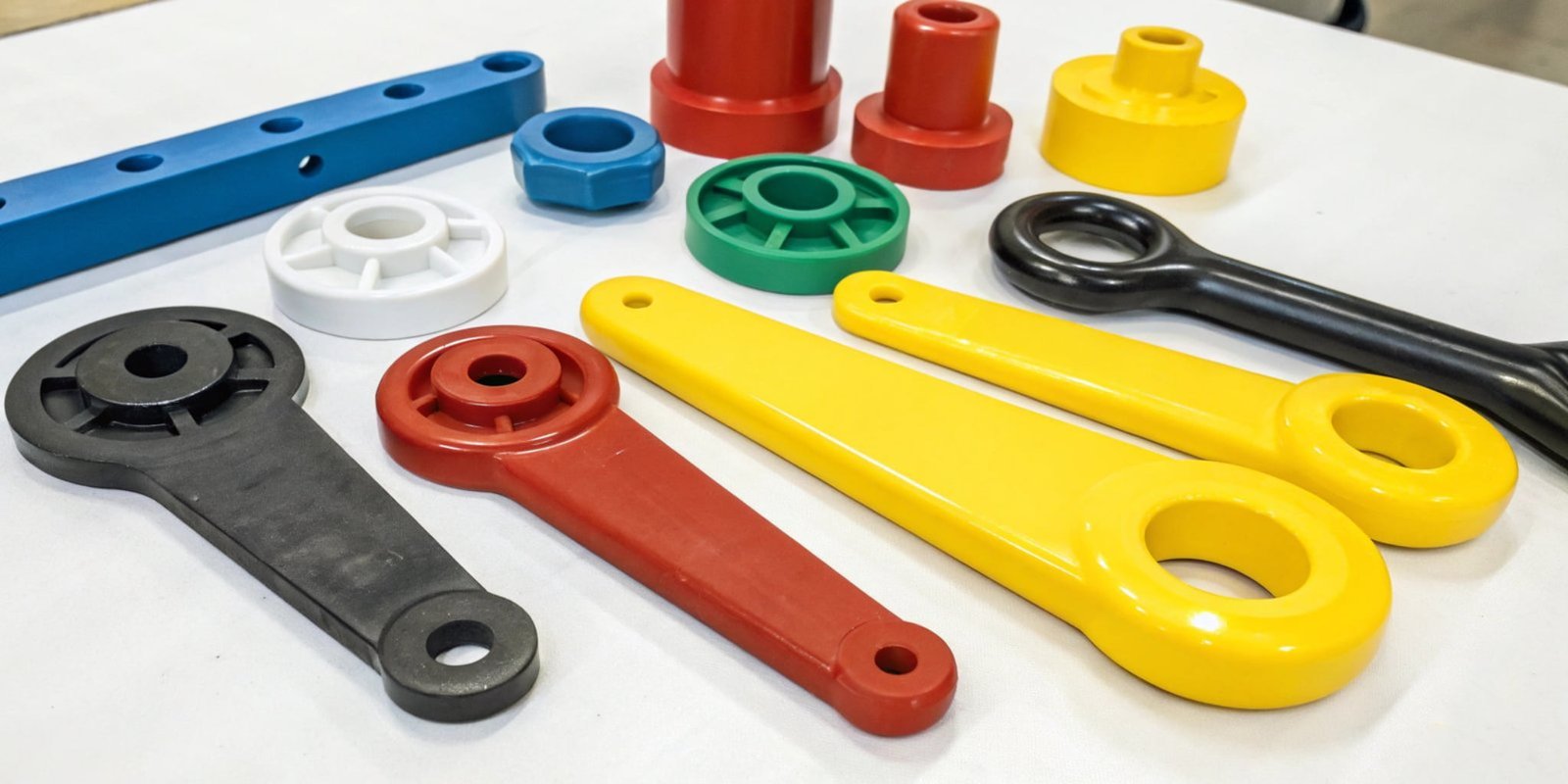
When I visit factories, I often see engineers struggling with old problems. They need a custom jig for a new product line, but machining it from aluminum will take weeks and cost thousands. Or they need a holding fixture that won’t scratch delicate parts, but metal is too harsh and rubber wears out too fast. They feel stuck between high costs, long waits, and poor performance. This is where the conversation about cast urethane begins, and it often changes how they approach manufacturing challenges. If you are facing similar issues, understanding the benefits of urethane is the first step toward a better solution.
What are the advantages of using urethane?
Making tools from metal is rigid and unforgiving. This leads to premature wear on your products and high replacement costs for the tools themselves. Urethane provides a unique combination of toughness and flexibility.
Urethane’s primary advantages are its incredible abrasion resistance, toughness, and elasticity. It easily withstands harsh industrial environments, helps reduce noise, and can be formulated for specific hardness levels, making it far more versatile than standard rubber or plastic parts.
Unmatched Durability and Resistance
One of the biggest reasons my clients switch to urethane is for its sheer durability. Urethane parts have excellent toughness, meaning they can resist tearing and impact. They also have superior abrasion resistance, so they last much longer than rubber or plastics in high-friction applications like wear pads or rollers. Based on my experience, this material also holds up incredibly well against environmental factors. It resists oxidation from the air, moisture, and even mold growth, which is a huge benefit in humid climates. It’s also resistant to many oils, solvents, and mild acids or bases you find on a factory floor. You can even wash the parts without worrying about degradation. This combination of properties means less downtime and fewer replacement orders.
Design Flexibility and Performance
Urethane is not a one-size-fits-all material. Its properties can be precisely tailored to the job. Need something soft and flexible to hold a delicate, painted part? We can formulate a soft urethane. Need a hard, rigid fixture that’s almost as tough as nylon? We can do that too. This versatility is a game-changer. Unlike metal, urethane is lightweight, which makes tools easier for operators to handle and reduces fatigue. Unlike most plastics, it can have incredible elasticity, allowing it to deform under load and return to its original shape. This “rebound” is perfect for applications requiring shock absorption.
| Feature | Cast Urethane | Metal (e.g., Aluminum) | Rubber |
|---|---|---|---|
| Abrasion Resistance | Excellent | Poor | Good |
| Weight | Lightweight | Heavy | Medium |
| Impact Resistance | Excellent | Poor (dents) | Excellent |
| Cost (Low Volume) | Low | High | Medium |
| Design Complexity | High | Medium | Low |
What is the difference between cast urethane and polyurethane?
The terms “urethane” and “polyurethane” can be confusing. Using the wrong one can lead to misunderstandings with suppliers when you’re trying to specify a material or a process for your parts.
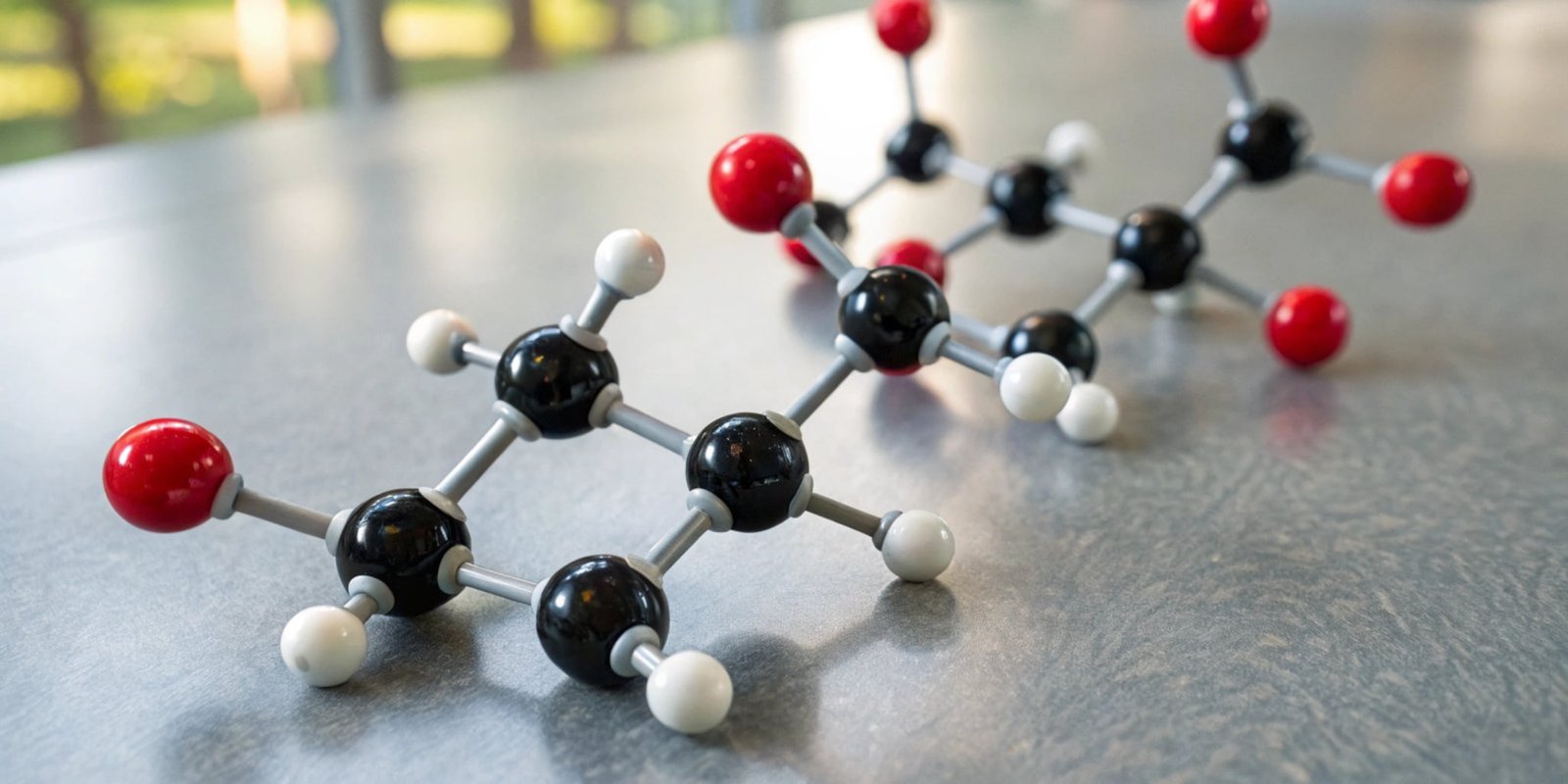
There is no material difference. Polyurethane (PU) is the name of the polymer material itself. Cast urethane refers to the manufacturing process of pouring liquid polyurethane into a mold to create a solid part. “Cast urethane” simply describes how a polyurethane part is made.
The Material vs. The Process
In our industry, people often use the terms polyurethane and urethane interchangeably. To be technical, polyurethane is the final polymer, which is a long chain of molecules. Urethane is the name of the chemical group that links these molecules together. But for all practical purposes, when we talk about making a part, we are talking about polyurethane.
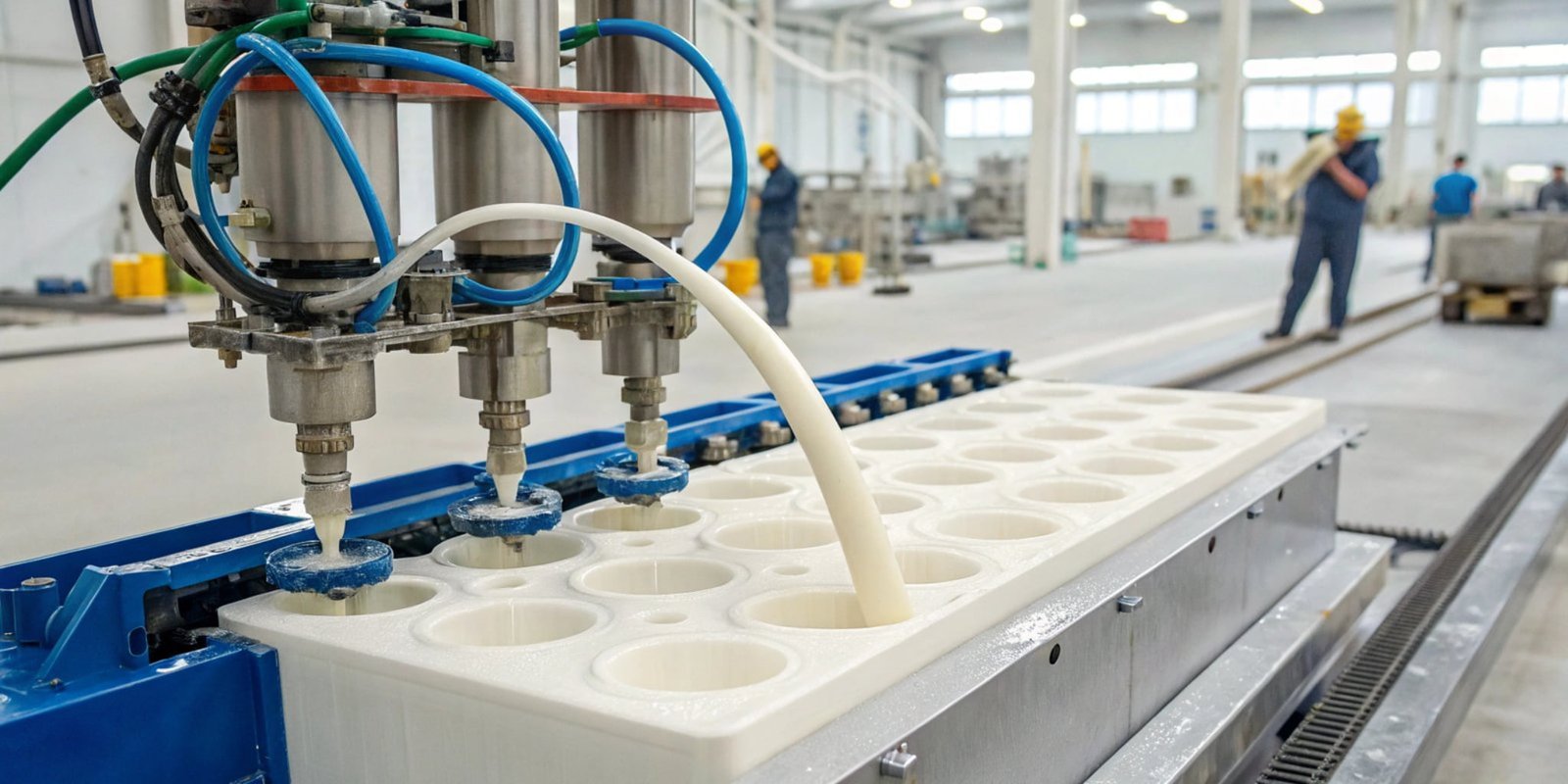
The key term here is “cast.” Casting is the manufacturing method. At Foamor, our machines facilitate this process. We take two liquid components, a polyol blend and an isocyanate, and mix them together. This starts a chemical reaction. The liquid mixture is then poured, or “cast,” into a mold. Inside the mold, the liquid cures and hardens into a solid, durable polyurethane part. The mold gives the part its final shape, whether it’s a simple block or a complex fixture with intricate details.
Why “Cast Urethane” Matters for Tooling
The casting process is what makes polyurethane so perfect for custom tool manufacturing. Traditional methods like injection molding require expensive, heavy-duty steel molds that can cost tens of thousands of dollars. This only makes sense if you are producing tens of thousands of identical parts. But for tooling, you might only need one, five, or maybe a hundred custom parts.
With urethane casting, we use inexpensive silicone molds created from a master pattern. This dramatically lowers the initial tooling cost and makes it affordable to produce low volumes. This is the solution for creating custom jigs, nests, and fixtures quickly and cheaply. It gives you the freedom to create the exact tool you need without a massive capital investment.
What are the properties of cast urethane?
You need a material with specific performance traits. Choosing the wrong one means failed parts, damaged products, and costly production downtime. Cast urethane offers a huge range of customizable properties to avoid this.
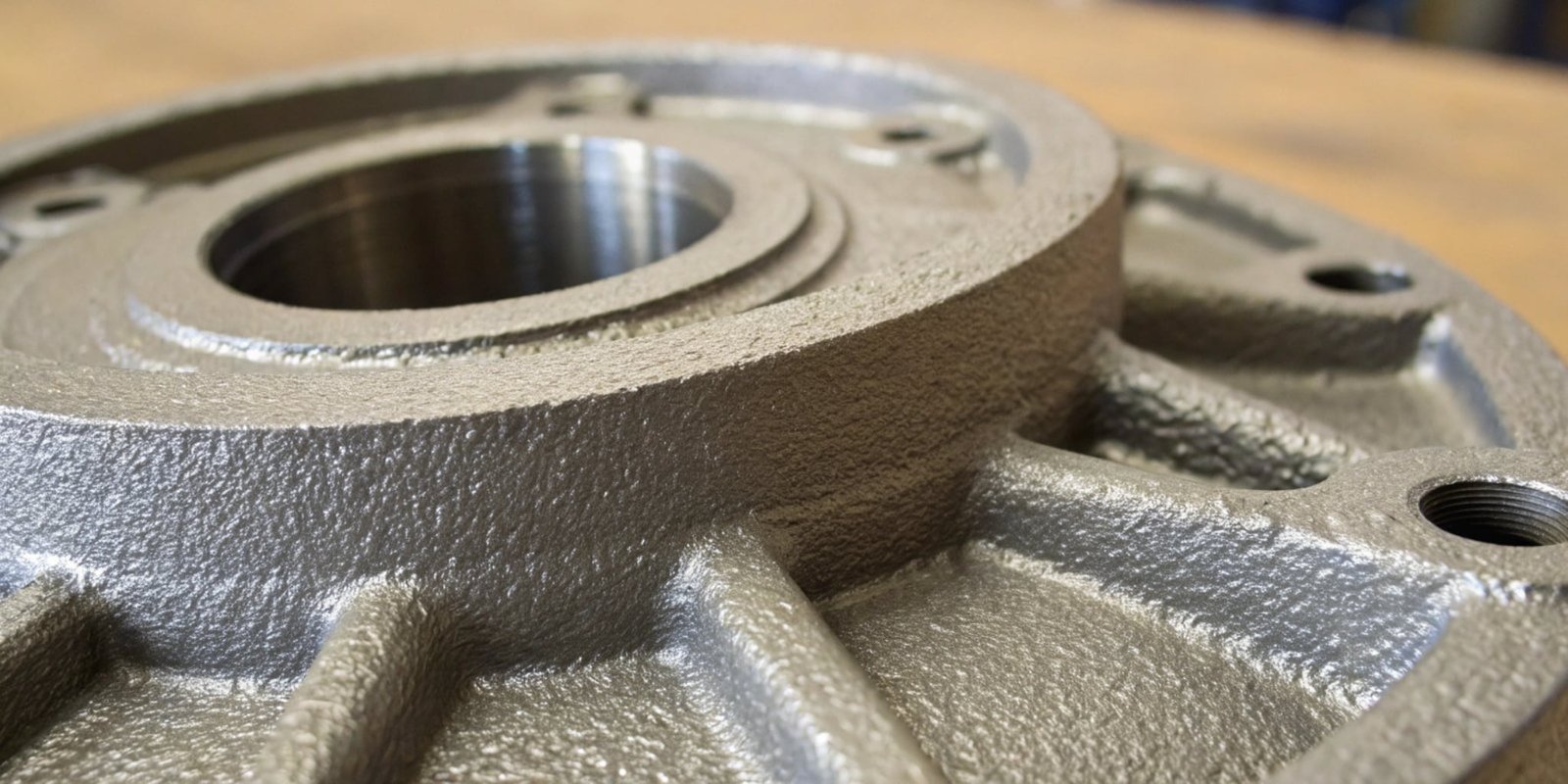
Cast urethane’s properties are incredibly versatile, ranging from soft and rubber-like to hard and rigid like plastic. Its key properties include high abrasion and tear strength, excellent load-bearing capacity, and strong resistance to oils, chemicals, moisture, and oxidation.
Mechanical Properties
The physical performance of cast urethane is its main selling point for tooling. We can control its hardness very precisely, measured on a Shore scale. This means we can create a soft urethane pad (Shore 20A) to cushion a fragile electronic component or a rock-hard block (Shore 85D) to act as a stamping die. This range is far greater than most other polymers. Its toughness is also exceptional. Urethane has fantastic tear and abrasion strength, so it won’t get chewed up from repeated use like other materials. Furthermore, it has a high load-bearing capacity. Even a relatively soft urethane can support a heavy load without being crushed, and it will return to its original shape once the load is removed.
Environmental and Chemical Properties
A factory is a tough environment, and any material used there has to survive. Cast urethane excels here. As I mentioned, it has a natural resistance to many chemicals, including machine oil, grease, and cleaning solvents that would degrade other materials. It doesn’t absorb moisture, so it won’t swell or change shape in humid conditions.[^1] This also helps it resist mold and mildew. Many formulations are also flame-retardant, adding a layer of safety. This robust profile ensures that tools made from cast urethane have a long, reliable service life, no matter the conditions on your shop floor.
| Property | Description | Benefit for Tooling Applications |
|---|---|---|
| Hardness Range | Shore 20A (like a rubber band) to Shore 85D (like a hard hat). | Perfect for creating both soft part nests and hard, durable fixtures. |
| Abrasion Resistance | Excellent; often outlasts metal in sliding friction applications. | Tools last longer, reducing replacement costs and downtime. |
| Chemical Resistance | Resists oils, solvents, and many mild acids and bases. | Ideal for use in almost any manufacturing environment without degrading. |
| Load-Bearing | Supports heavy compression and returns to its original shape. | Great for support blocks, press pads, and structural components. |
| Lightweight | Significantly lighter than metal tools. | Reduces operator fatigue and makes tools easier and safer to handle. |
How much does urethane casting cost?
You need custom tools but have a tight budget. Traditional CNC machining or injection molding is simply too expensive for the small number of parts you need. Urethane casting provides an affordable, practical alternative.
Urethane casting is much cheaper than injection molding for low to medium volumes, typically for 1 to 1,000 parts. The cost depends on the master pattern, the silicone mold, and the material used. A simple project can cost a few hundred dollars.
Tooling Cost (The Mold)
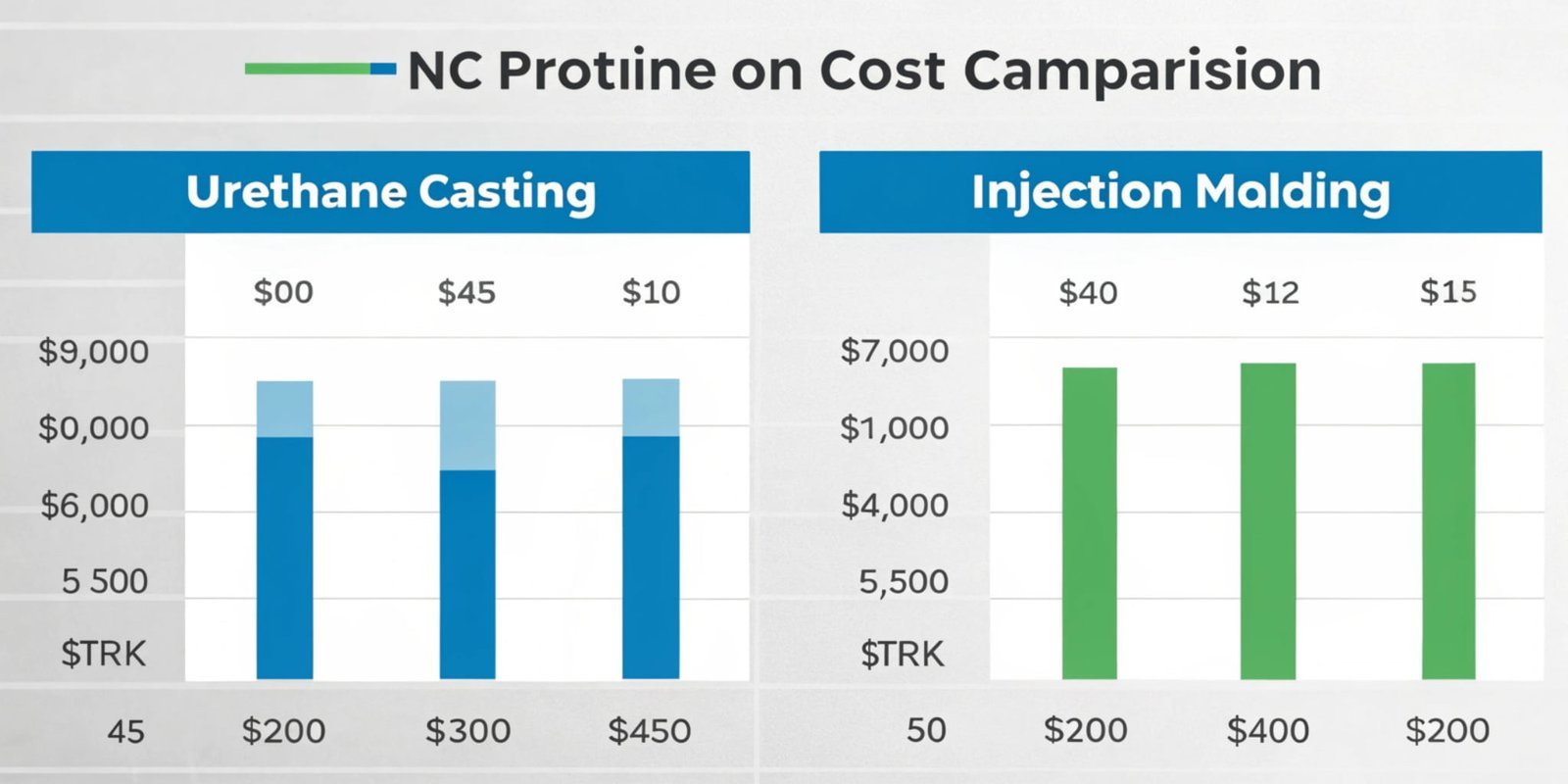
The biggest cost-saver in urethane casting is the tooling. For injection molding, you need to create a hardened steel mold, which can easily cost $10,000 to $100,000 or more. This is why it’s only used for mass production. For urethane casting, we create the mold from silicone, using a 3D-printed or machined master pattern. A silicone mold might only cost a few hundred to a couple of thousand dollars, depending on its size and complexity. This massive reduction in upfront tooling cost is what makes urethane casting so accessible for custom jobs. You can get the parts you need without a huge capital expense. A single silicone mold can typically produce around 25 to 100 parts, which is perfect for most tooling needs.
Part Cost (Material and Labor)
The final cost of each cast urethane part depends on a few factors. The main ones are the size of the part (which determines how much polyurethane material is used), its complexity, and the specific formulation required. While the raw material cost for polyurethane might be slightly higher per kilogram than some commodity plastics, the overall project cost is much lower for small batches because of the tooling savings. The labor involved is in creating the mold, mixing and pouring the material, and finishing the part. At Foamor, we provide cost-effective low-pressure machines that allow companies to bring this process in-house. This gives you complete control over production and helps you lower costs even further by eliminating third-party markups.
| Cost Factor | Urethane Casting | Injection Molding | CNC Machining |
|---|---|---|---|
| Tooling Cost | Low (Silicone Mold) | Very High (Steel Mold) | None |
| Ideal Volume | 1 – 1,000+ parts | 10,000+ parts | 1 – 100 parts |
| Cost Per Part (Low Vol.) | Low | Extremely High | High |
| Lead Time | Fast (days to weeks) | Slow (months) | Medium (days to weeks) |
Conclusion
Custom cast urethane is a versatile, durable, and cost-effective material for tool manufacturing. It offers major advantages over metal and plastic for low to medium-volume production, empowering your factory with speed.
[^1]: “Is Polyurethane Waterproof? | Water Resistant …”, https://mearthane.com/is-polyurethane-waterproof/. This source explains urethane’s resistance to moisture absorption and its stability in humid environments. Evidence role: mechanism; source type: research. Supports: It doesn’t absorb moisture, so it won’t swell or change shape in humid conditions..
Leave a Reply