

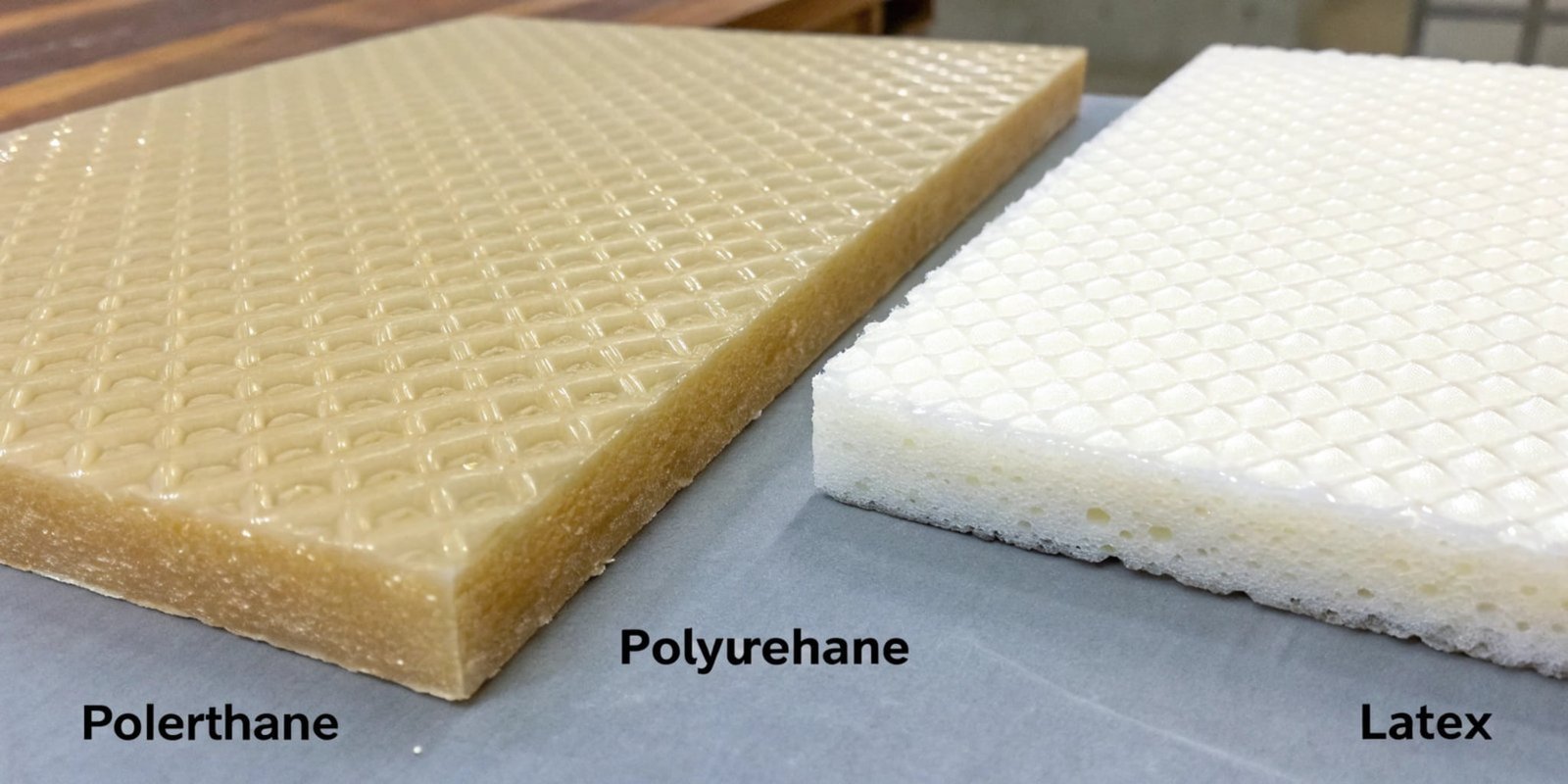
Confused by products labeled “latex” that feel like foam? You are not alone. It’s easy to get lost when marketers use these terms, but understanding the difference is key.
No, polyurethane and latex are not the same thing. Polyurethane is a fully synthetic polymer created from petroleum-based chemicals. Latex can be natural (from rubber tree sap) or synthetic. Their chemical makeup, production methods, and physical properties are fundamentally different.
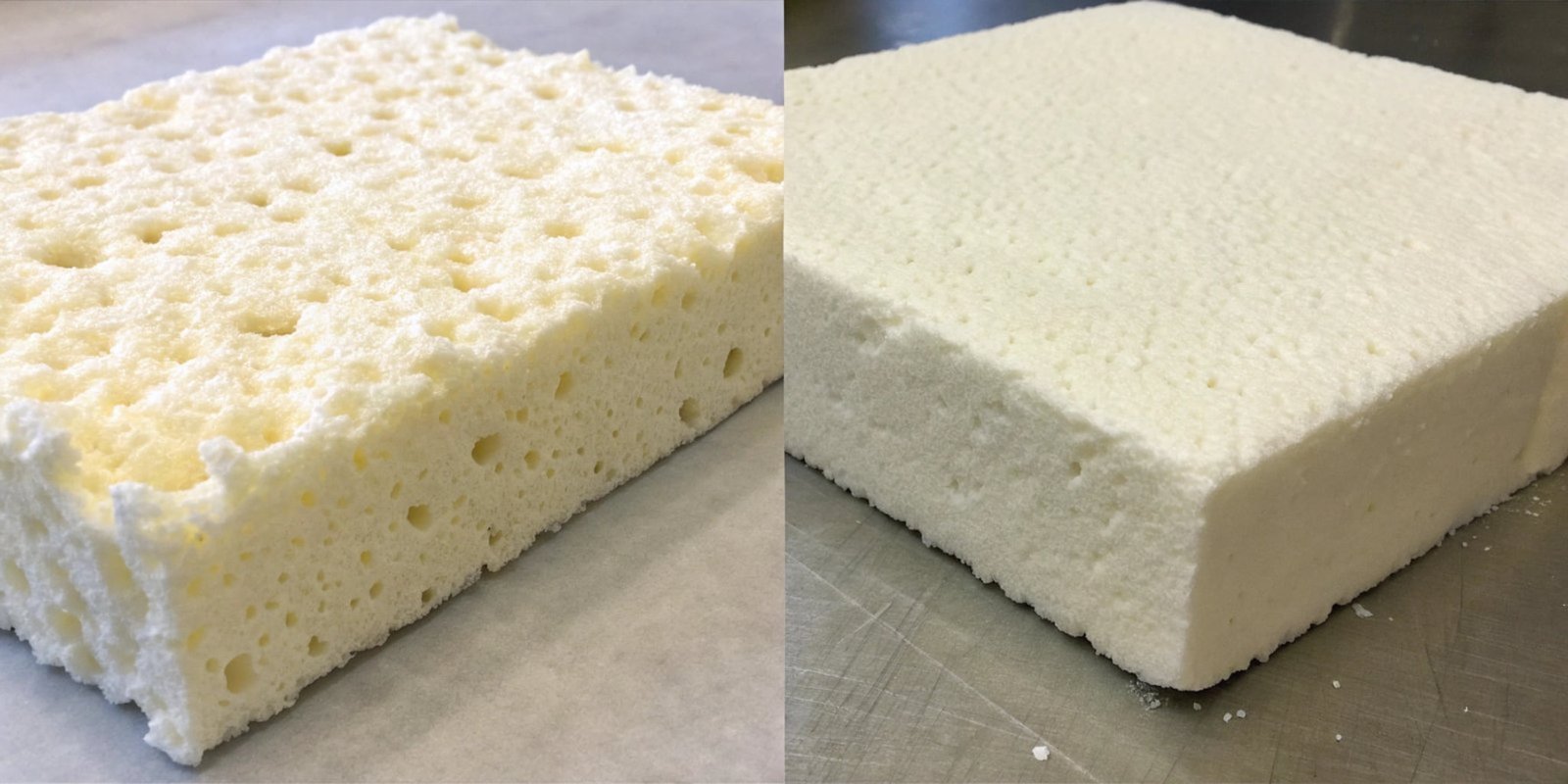
It’s easy to see why people get mixed up, especially in the bedding and furniture market. A product might be called a “latex pillow” but is actually a slow-rebound memory foam pillow, which is made from polyurethane. But once you look a little closer, the differences between these two materials are significant. Let’s break it down so you can see exactly what you’re working with and make an informed decision for your production needs.
What are the key differences between polyurethane and latex?
Choosing between polyurethane and latex products can feel like a gamble. You don’t want to invest in a material that fails to meet your quality standards or budget, leading to waste.
The primary differences are their origin, physical properties, and production cost. Polyurethane is a synthetic polymer made in a lab. Latex is derived from the sap of rubber trees (natural) or created synthetically. This results in distinct variations in elasticity, feel, and price.
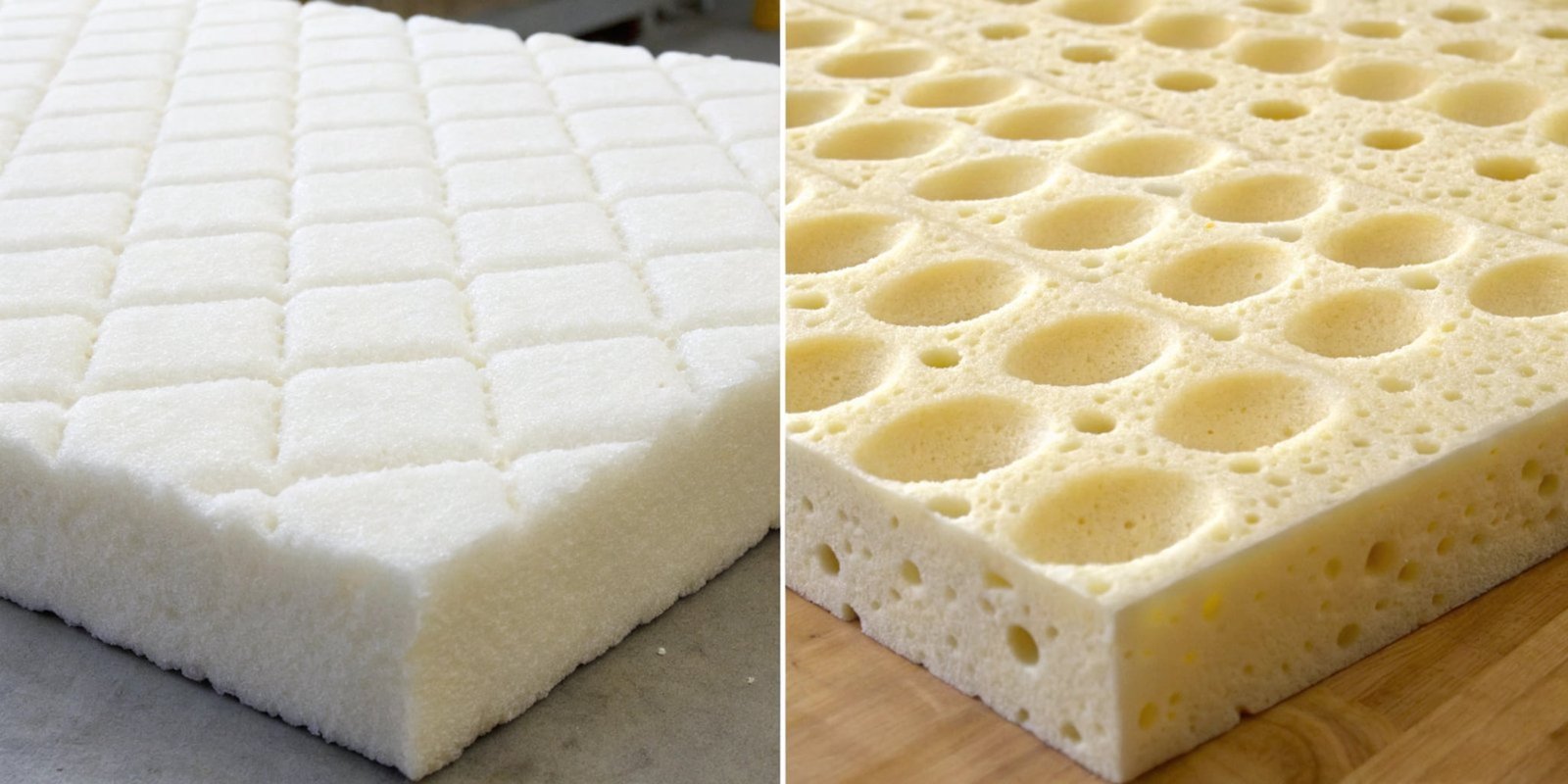
The most basic difference lies in their source. Polyurethane (PU) foam is 100% synthetic, created by reacting polyols and isocyanates—both are petroleum derivatives.[^1] As a PU machinery manufacturer, I know this process is highly controlled. On the other hand, latex foam starts as a liquid. Natural latex is harvested from rubber trees.[^2] The foam is then produced using either the Dunlop or Talalay process, which are completely different from PU foaming. This fundamental difference in origin and manufacturing leads to distinct characteristics.
Here’s a simple table to show the main differences:
| Feature | Polyurethane (PU) Foam | Latex Foam |
|---|---|---|
| Origin | Entirely synthetic (petroleum-based) | Natural (rubber tree sap) or Synthetic |
| Feel | Varies widely: firm, soft, memory foam (slow recovery) | Bouncy, quick response, supportive |
| Durability | Good to excellent, depends on density | Excellent, especially natural latex |
| Allergies | Hypoallergenic | Natural latex can cause allergies in some people |
| Cost | Generally more cost-effective | Higher cost, especially for 100% natural latex |
How can you tell whether a product is made of polyurethane or latex?
Product labels can be confusing, and terms like “latex-like” don’t help. You risk buying a product that doesn’t deliver the performance or feel you expect.
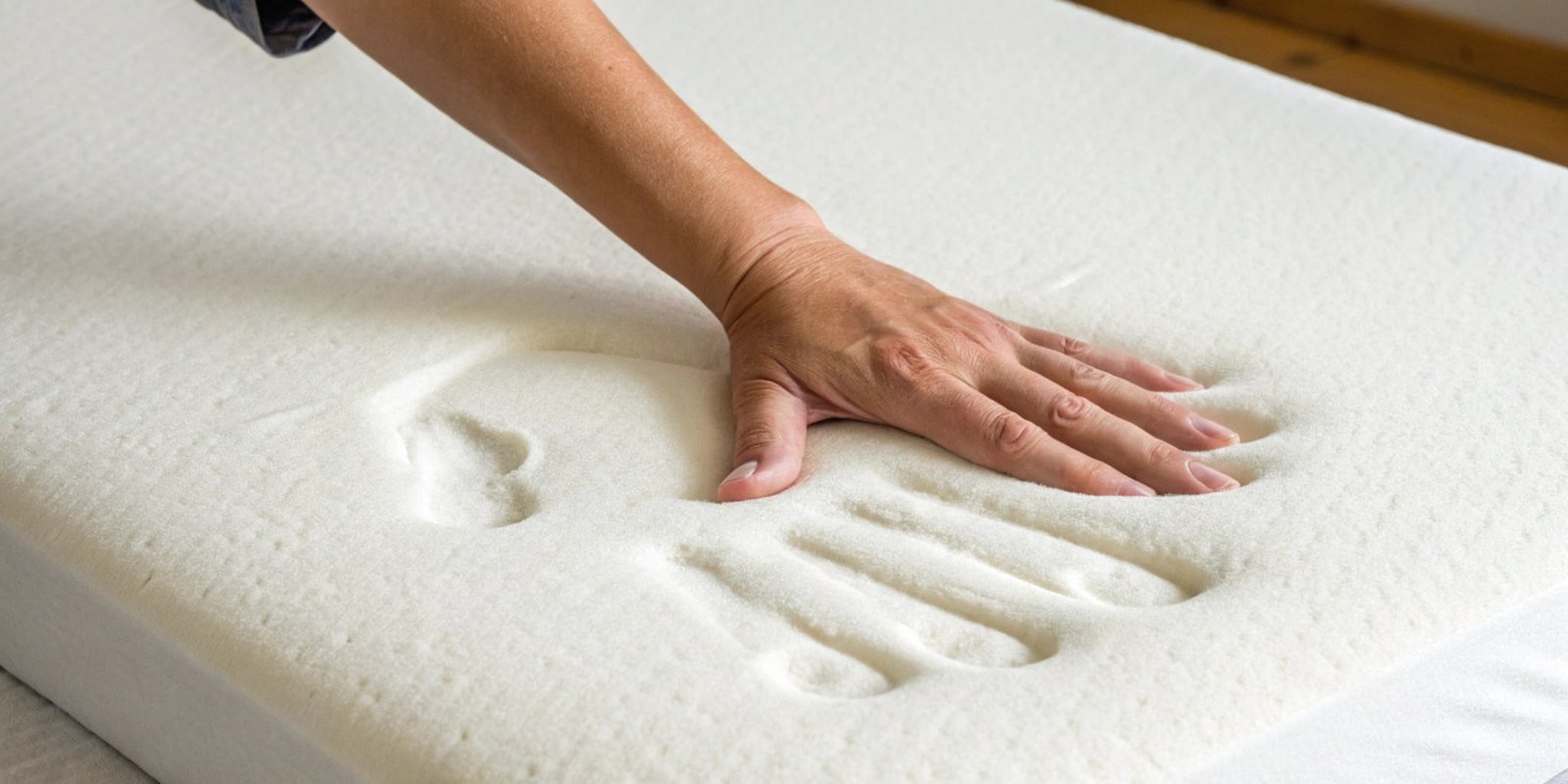
The easiest ways are to check the official product label and perform a simple “push test.” Latex springs back instantly, while polyurethane memory foam holds an impression for a few seconds.
When you need to be sure about a material, there are a few simple checks you can do.
First, read the label and technical specifications carefully. This is your most reliable source of information.
- For Polyurethane: Look for terms like “polyurethane foam,” “PU foam,” “memory foam,” “viscoelastic foam,” or “High-Resilience (HR) foam.”
- For Latex: Look for “100% Natural Latex,” “Blended Latex,” or “Synthetic Latex.” Be cautious with vague marketing terms that don’t specify the type.
Second, perform a simple push test.
- Memory Foam (PU): When you press your hand into it, it will conform to the shape and leave a clear impression that slowly fades away.
- Latex Foam: It will feel bouncy and spring back into shape almost instantly. There is no lingering handprint.
Third, consider the smell and price. New natural latex can have a faint, slightly sweet rubbery odor.[^3] Some new PU foams have a distinct chemical smell that fades over time. Also, if a “latex” product is surprisingly cheap, there’s a good chance it’s not 100% natural latex.
Is polyurethane a suitable replacement for latex in various applications?
You might need the supportive, bouncy properties of latex but are concerned about the high cost or potential allergies. Choosing the wrong substitute can lead to a failed product line.
Yes, in many cases, specific types of polyurethane are excellent replacements for latex. High-Resilience (HR) PU foam, in particular, can mimic the feel and performance of latex effectively.
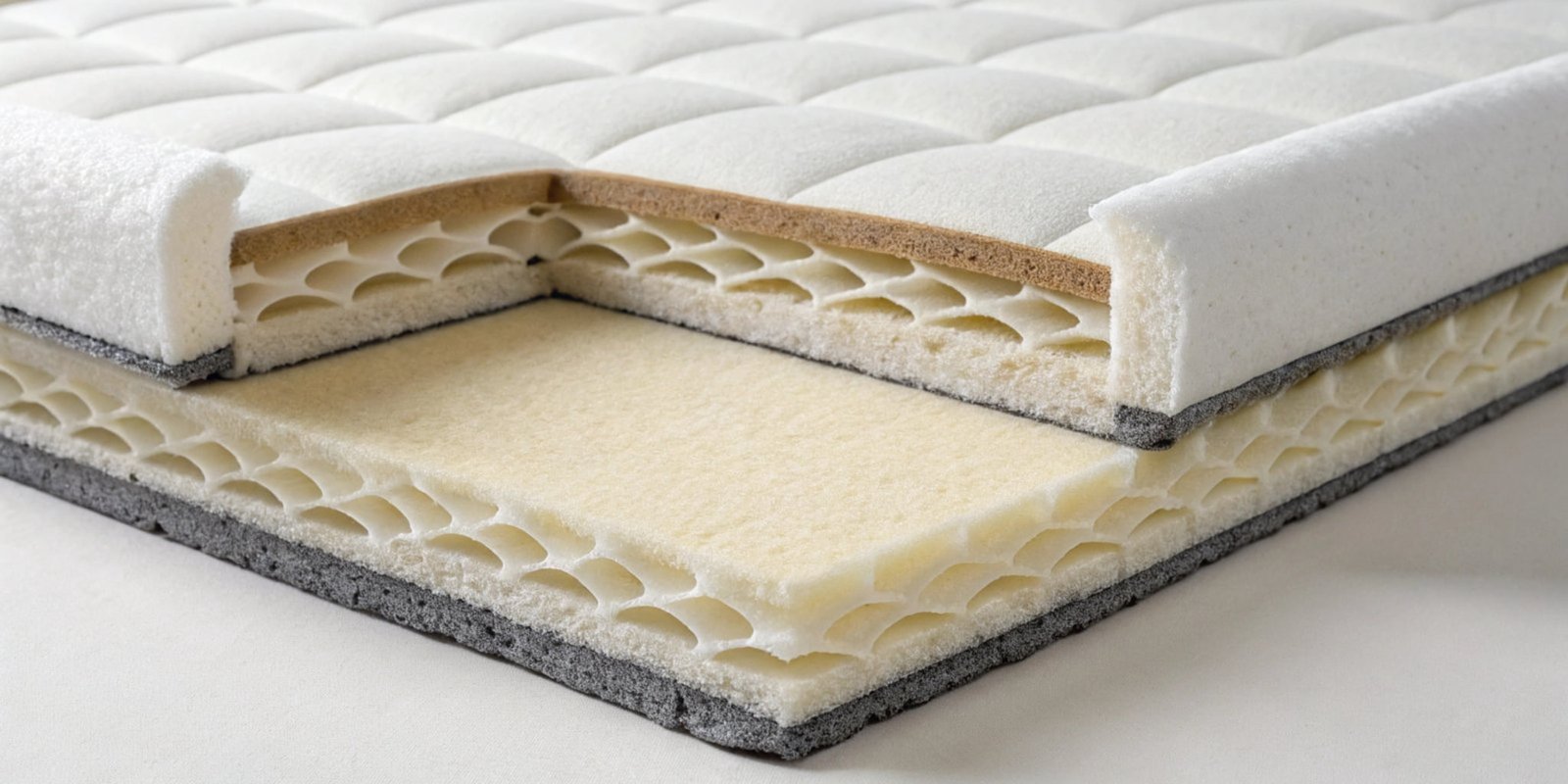
Absolutely. At Foamor, a large part of our work involves helping manufacturers engineer polyurethane foams to meet specific performance targets. The versatility of PU is its greatest strength. While you can’t make PU from a tree, you can make it feel and perform very much like latex.
We achieve this with High-Resilience (HR) foam. This type of polyurethane foam has a different, more open cell structure than conventional PU foam. This gives it a higher support factor and a much quicker rebound, similar to latex.
Here’s where it makes sense as a replacement:
- Furniture and Mattresses: HR foam provides the durable, bouncy support needed for high-quality sofas and mattresses.[^4] It’s often more affordable than natural latex and is hypoallergenic, opening up your market to customers with latex sensitivities.
- Automotive Seating: HR foam is the industry standard for car seats because it offers long-lasting comfort and meets stringent safety and durability requirements.[^5]
While PU is a great substitute, natural latex is still preferred by customers who prioritize “green” or all-natural products. But for most mainstream applications, modern HR foam is a fantastic, cost-effective, and reliable alternative.
What are the advantages and disadvantages of polyurethane compared to latex?
Both materials have strong selling points, making the choice difficult. If you choose without a clear comparison, you might regret it when production costs rise or products don’t sell.
Polyurethane’s main strengths are its incredible versatility and lower cost. Latex’s key advantage is its natural origin and resilience. However, latex is more expensive and can be an allergen.
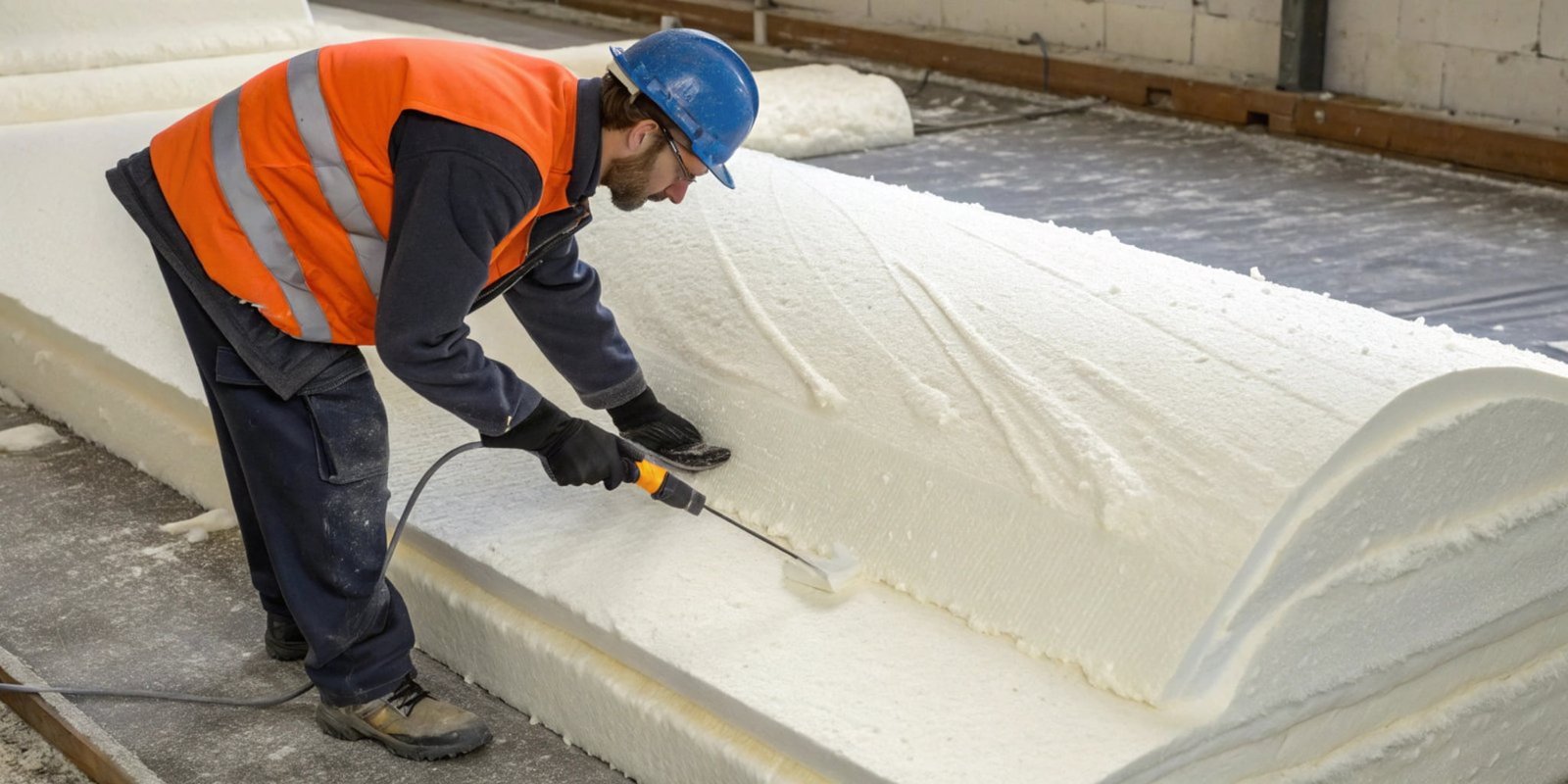
When I talk with factory owners, the decision between polyurethane and latex often comes down to balancing performance, cost, and marketing. Here is a straightforward breakdown to help you weigh the options.
Polyurethane (PU) Foam
- Advantages:
- Versatility: This is the biggest plus. We can formulate PU foam to be soft, firm, rigid, flexible, or slow-rebounding (memory foam). No other material offers this range.
- Cost-Effective: The raw materials and manufacturing process for PU are generally more affordable than for natural latex, providing a better ROI.
- Hypoallergenic: As a synthetic material, it is a safe choice for products intended for people with latex allergies.
- Disadvantages:
- Petroleum-Based: It is made from non-renewable resources, which can be a concern for eco-conscious brands.
- Initial Odor: Lower-density foams can sometimes have a chemical smell (off-gassing) when new, although this dissipates.
Latex Foam
- Advantages:
- Natural Source: 100% natural latex is harvested from rubber trees, making it a renewable and biodegradable material.[^6]
- Exceptional Durability: It is known for its long life and resistance to sagging and body impressions.
- Breathable: The natural open-cell structure allows for excellent air circulation.
- Disadvantages:
- High Cost: It is one of the most expensive foam materials on the market.
- Allergies: It can trigger reactions in individuals with a latex allergy.
- Weight: Latex is very dense and heavy, which can increase shipping costs and make products difficult to handle.[^7]
Conclusion
Polyurethane and latex are very different materials. PU offers unmatched versatility and value, while latex provides a natural, durable option. Understanding this helps you choose the right one for your product.
[^1]: “Science Kit for Student Use: Polyurethane Foam – CSUN”, http://www.csun.edu/scied/2-chem/sckit/sckit.htm. This source details the chemical reaction between polyols and isocyanates in the production of polyurethane foam. Evidence role: mechanism; source type: education. Supports: Polyurethane (PU) foam is 100% synthetic, created by reacting polyols and isocyanates—both are petroleum derivatives..
[^2]: “Natural rubber – Wikipedia”, https://en.wikipedia.org/wiki/Natural_rubber. This source confirms that natural latex is obtained from the sap of rubber trees, detailing the harvesting process. Evidence role: mechanism; source type: encyclopedia. Supports: Natural latex is harvested from rubber trees..
[^3]: “How to Deodorize a Mattress Properly • southernwv.edu”, https://staging.southernwv.edu/how-to-deodorize-a-mattress/. This source discusses the characteristic odor of new natural latex and its chemical basis. Evidence role: general_support; source type: education. Supports: New natural latex can have a faint, slightly sweet rubbery odor..
[^4]: “(PDF) Automotive Cushioning Through the Ages – Academia.edu”, https://www.academia.edu/89800945/Automotive_Cushioning_Through_the_Ages. This source discusses the use of HR foam in furniture and mattresses, emphasizing its durability and support. Evidence role: case_reference; source type: research. Supports: HR foam provides the durable, bouncy support needed for high-quality sofas and mattresses..
[^5]: “(PDF) Automotive Cushioning Through the Ages – Academia.edu”, https://www.academia.edu/89800945/Automotive_Cushioning_Through_the_Ages. This source confirms the widespread use of HR foam in automotive seating due to its comfort and compliance with safety standards. Evidence role: case_reference; source type: research. Supports: HR foam is the industry standard for car seats because it offers long-lasting comfort and meets stringent safety and durability requirements..
[^6]: “Bioplastic Films from Spirulina and PVA: Mechanical and …”, https://ui.adsabs.harvard.edu/abs/2026E&ES.1598a2071R/abstract. This source confirms that natural latex is renewable and biodegradable, emphasizing its environmental benefits. Evidence role: expert_consensus; source type: education. Supports: 100% natural latex is harvested from rubber trees, making it a renewable and biodegradable material..
[^7]: “Properties and cost of natural rubber latex foam using biomass ash …”, https://bioresources.cnr.ncsu.edu/resources/properties-and-cost-of-natural-rubber-latex-foam-using-biomass-ash-filler-from-agarwood-pellets/. This source discusses the density and weight of latex foam and its implications for shipping and handling. Evidence role: general_support; source type: education. Supports: Latex is very dense and heavy, which can increase shipping costs and make products difficult to handle..
Leave a Reply