
Are you confused about whether polyurethane is just another type of plastic? This confusion can lead to choosing the wrong material. Let’s clear up the details and help you understand.
Polyurethane is a polymer, but it is not typically considered a plastic in the conventional sense. The main difference is that most plastics are thermoplastic (can be remelted), while most polyurethanes are thermosetting (they form permanent chemical bonds and cannot be remelted once cured).
Understanding the difference between these materials is more than just a technical detail. As a manufacturer, choosing the right one directly impacts your product’s quality, your production cost, and your overall success. I’ve spent nearly 20 years in this industry, and I’ve seen how a small misunderstanding about materials can lead to big problems down the line. We need to look deeper than the surface to see why polyurethane stands in a class of its own. Let’s break down what really separates these two families of materials.
Is polyurethane really a type of plastic?
Are you tired of grouping all synthetic materials together? This simple mistake can lead to costly errors in your production line. I will explain the specific properties that set PU apart.
Polyurethane is a unique polymer created by a chemical reaction, which sets it apart from common plastics that are simply melted and molded. Because of this process, it is not usually classified with plastics like polyethylene or polypropylene.
The core of the difference is how they are made and how they behave. Most materials you think of as “plastic” are thermoplastic. This means you can heat them up, melt them into a liquid, and cool them back into a solid shape. You can often repeat this process. This is how things like plastic bottles and containers are made.
Polyurethane, on the other hand, is usually a thermosetting material. We don’t melt it. Instead, we mix two liquid chemicals: a polyol and an isocyanate. They have a chemical reaction that creates the final, solid polyurethane material. Once this reaction happens and the material is “cured,” you cannot melt it down and reshape it. The chemical change is permanent. This is a fundamental difference in how we process the material.
Here is a simple table to show the differences:
| Feature | Typical Plastics (e.g., Polyethylene) | Polyurethane (PU) |
|---|---|---|
| Material Type | Thermoplastic | Mostly Thermosetting |
| Manufacturing | Melting solid pellets and molding | Chemical reaction of two liquids |
| Behavior with Heat | Melts and can be reformed | Burns or degrades, does not melt |
| Structure | Physical change, no new bonds | Forms permanent chemical bonds |
| Appearance | Usually solid, no bubbles | Can have tiny bubbles (in foam) |
Why isn’t polyurethane used for everything?
Do you think polyurethane is a miracle material for every application? Using it for the wrong job can be an expensive disaster. Let’s look at where it doesn’t fit.
Polyurethane is not always the best choice because of its higher cost, the complexity of its two-part chemical processing, and its potential to yellow with UV exposure. For simple, high-volume items like plastic bags, other plastics are much more efficient.
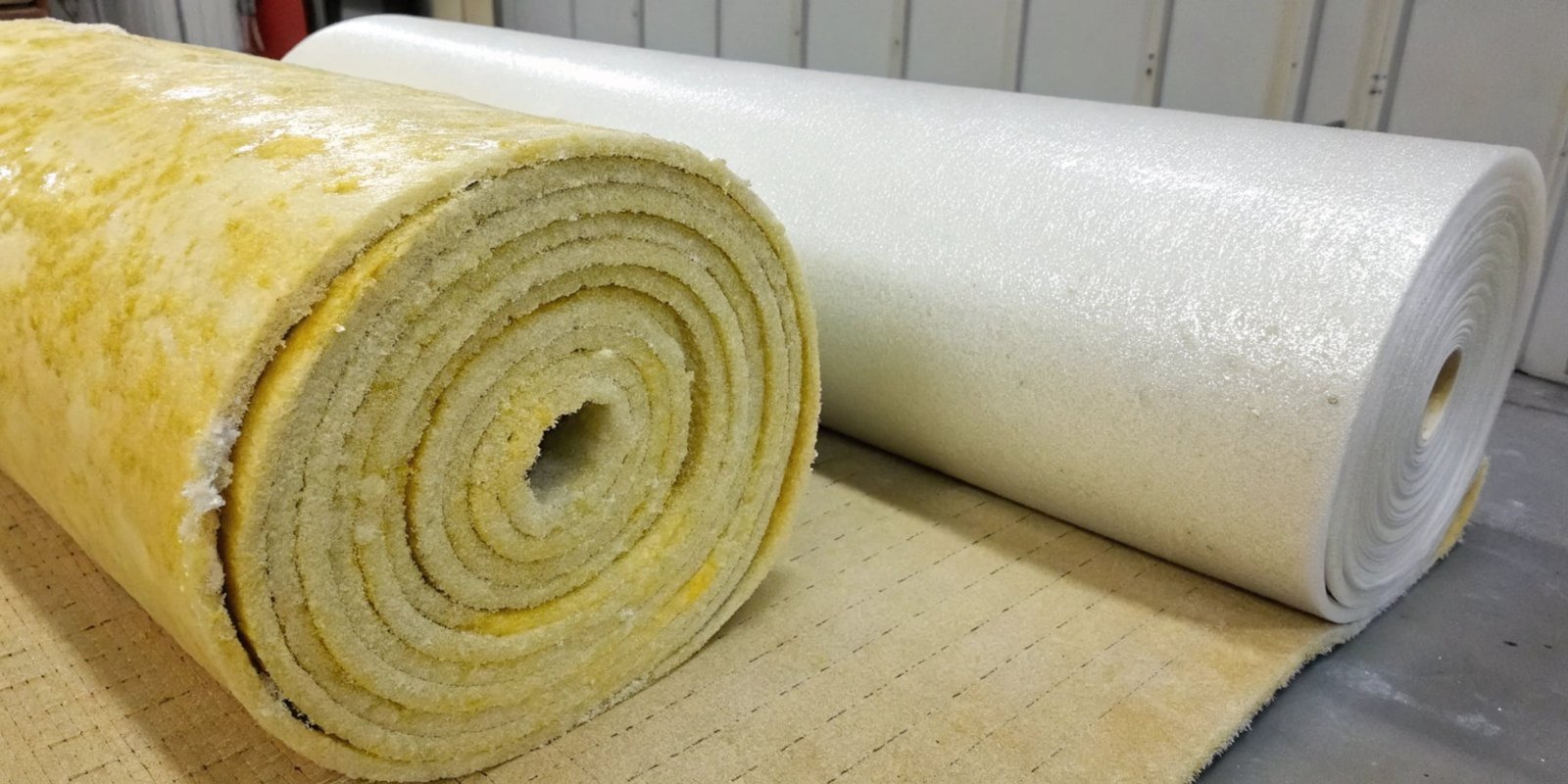
I’ve worked with hundreds of clients, and a common question is, “If PU is so great, why not use it for everything?” The answer comes down to matching the right tool to the right job. Polyurethane is a high-performance material, and that performance comes with certain trade-offs.
First, cost is a major factor. The raw liquid chemicals for PU are generally more expensive than the plastic pellets used for commodity items. For a product like a disposable water bottle, using polyurethane would be far too expensive and complicated.
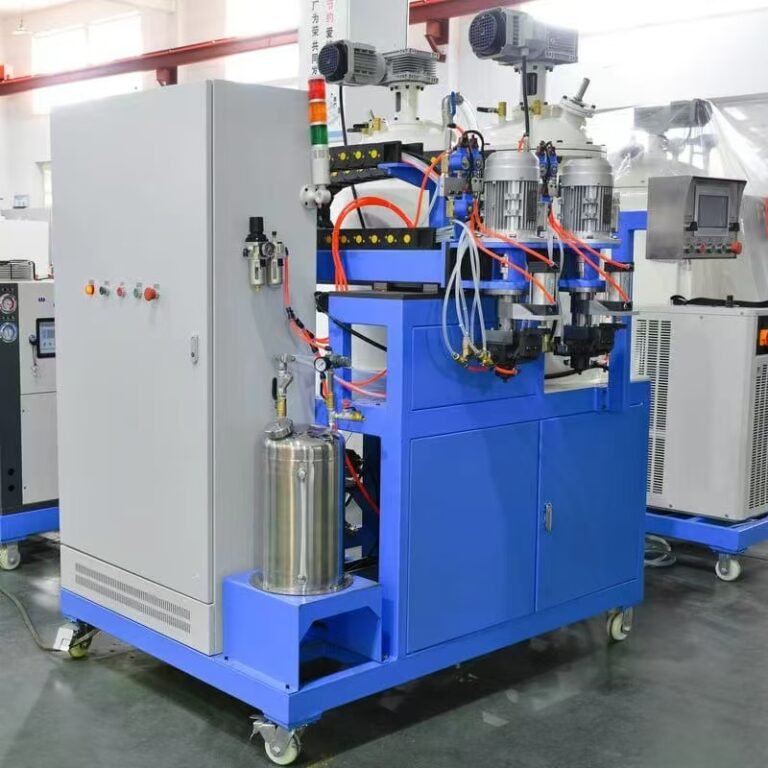
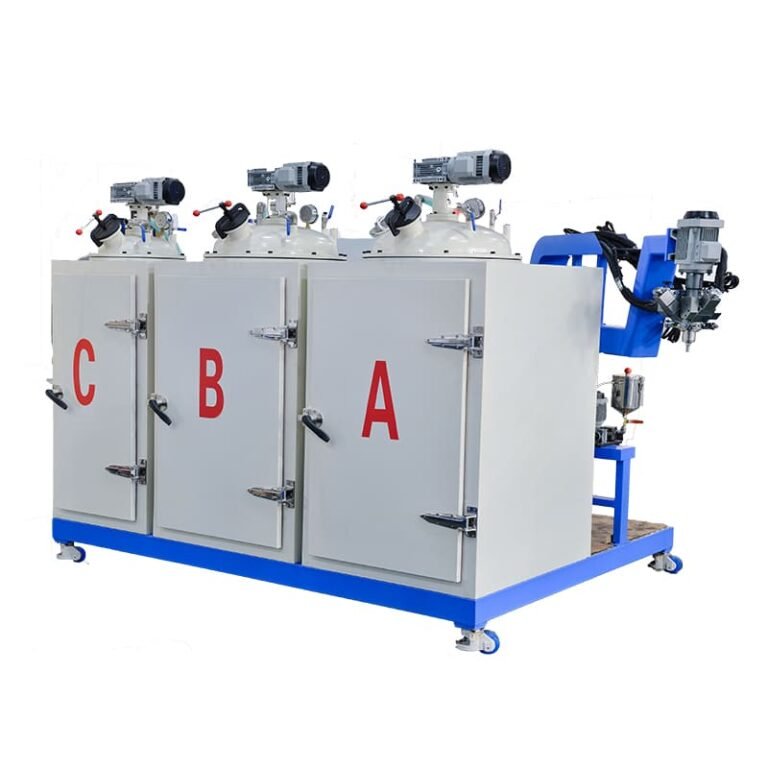
Second, the manufacturing process is more complex. You need precise machinery, like our high-pressure or low-pressure foaming machines, to correctly mix the two components. This process requires more skill and control than simple injection molding.
Finally, some polyurethane formulations have weaknesses. For example, many standard PU foams will turn yellow and become brittle if left in direct sunlight for a long time. While we can add UV stabilizers to fix this, it adds to the cost and complexity.
| Application | Best Material Choice | Why? |
|---|---|---|
| Car Seat Cushion | PU Foam | Excellent comfort, durability, and can be molded to complex shapes. |
| Disposable Shopping Bag | Polyethylene Plastic | Very low cost, easy to mass-produce, lightweight. |
| Building Insulation Panel | Rigid PU Foam | Superior insulation value (R-value) for its thickness. |
| Food Storage Container | Polypropylene Plastic | Food-safe, heat resistant, low cost, and easy to clean. |
Is plastic or polyurethane the better material?
Are you debating between plastic and polyurethane for your product? Choosing the wrong one means you will compromise on either quality or budget. Let’s compare them to help you decide.
Neither material is better; the best choice depends on your product’s needs. Polyurethane is superior for applications needing flexibility, cushioning, and abrasion resistance. Standard plastics are often better for rigid, low-cost, and mass-produced goods.
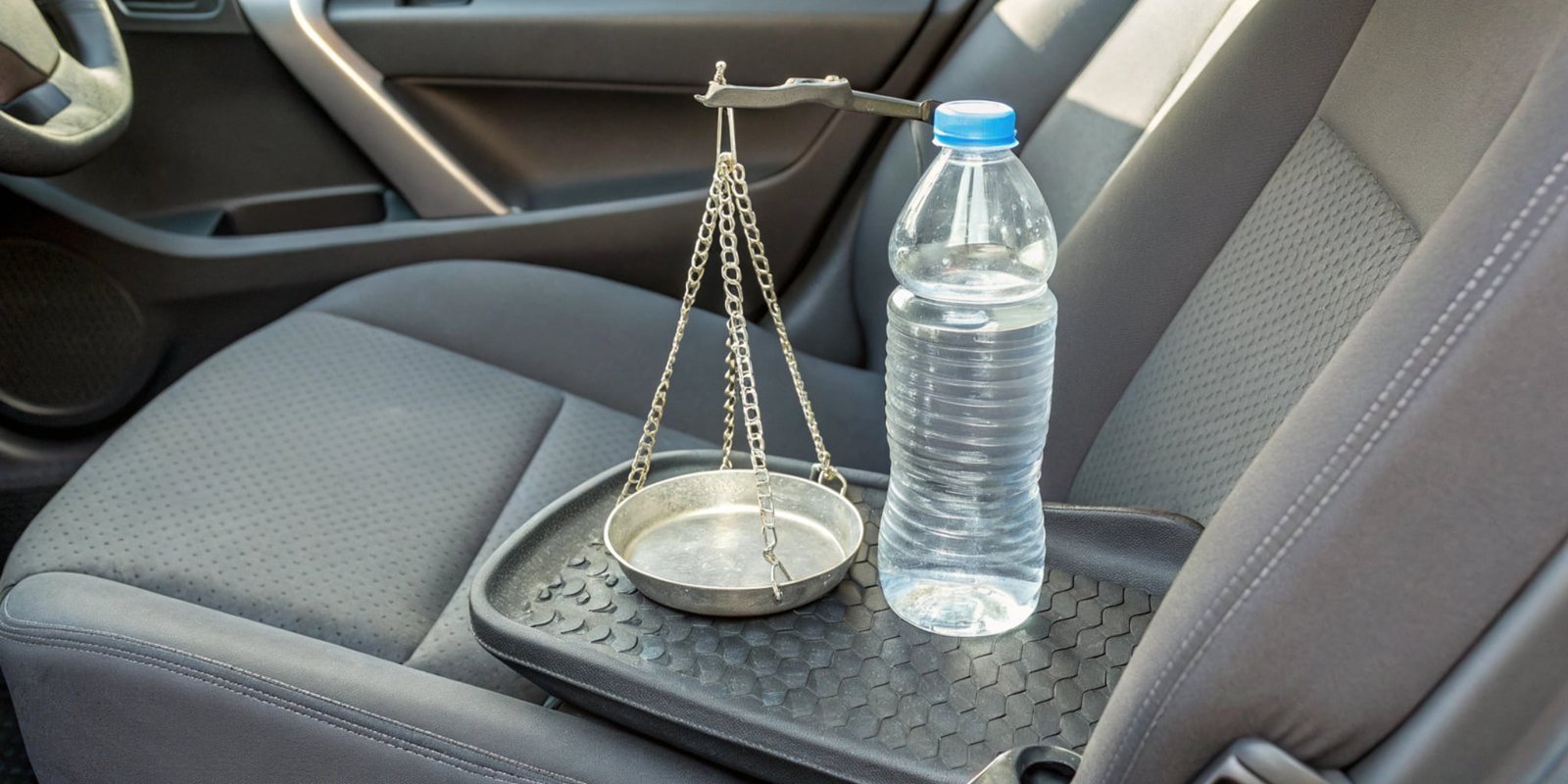
This is the most important question for any production director. The answer is never “polyurethane is better” or “plastic is better.” The correct answer is always “it depends on the application.”
At Foamor, we help our clients make this choice every day. We don’t just sell machines; we provide solutions. If you need to make a product that is soft, flexible, and comfortable, like a sofa cushion or a mattress, flexible PU foam is the clear winner. If you need something extremely tough and resistant to wear, like a skateboard wheel or a mining screen, a PU elastomer is the perfect choice.
But if you need to produce millions of identical, simple, rigid parts at the lowest possible cost, then a traditional plastic like polypropylene might be the better choice. The key is to analyze the performance requirements first. What does the product need to do? How long does it need to last? What is the budget? Once you answer those questions, the choice between polyurethane and plastic becomes much clearer.
| Property | Polyurethane (PU) | Conventional Plastics |
|---|---|---|
| Versatility | Extremely high (from soft foam to hard solid) | Varies, but usually one state (e.g., rigid) |
| Abrasion Resistance | Excellent | Poor to Good |
| Cushioning | Excellent (as foam) | Poor |
| Cost | Medium to High | Low to High |
| Best For | Comfort, insulation, sealing, durability | Packaging, simple structures, disposables |
Is polyurethane a health and safety concern?
Are you worried about the chemicals in your products? Bad information about polyurethane can create unnecessary fear. I will separate the facts from the fiction about its safety.
Fully cured polyurethane is chemically stable and safe for consumer use. The main health risks are related to the manufacturing process, specifically when handling the liquid chemicals before they react. Proper industrial handling makes the process safe.
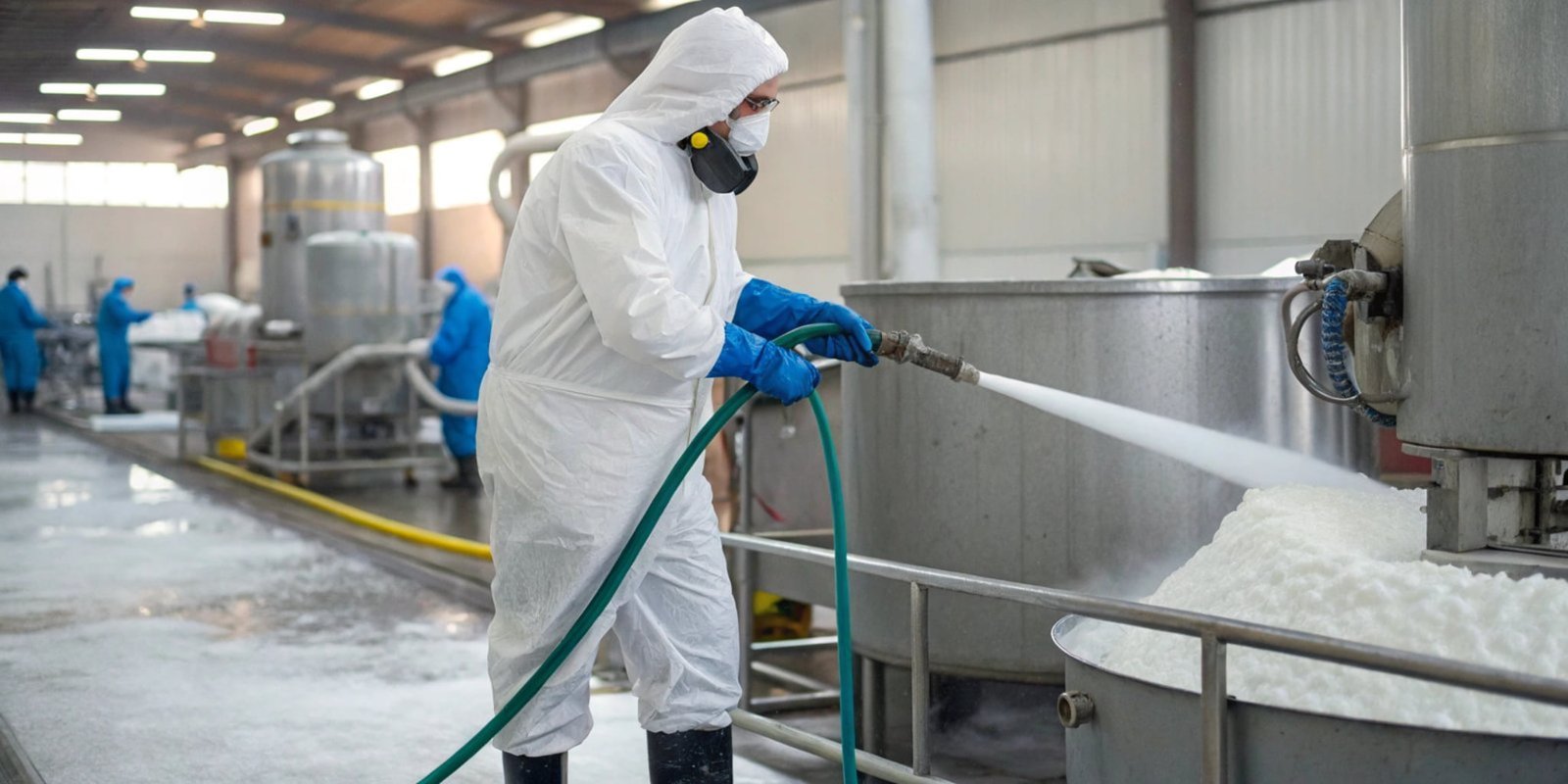
I get this question a lot, especially from clients who are new to PU manufacturing. It is a very important question. The safety of polyurethane can be broken into two parts: safety during manufacturing and safety in the final product.
During manufacturing, we are working with liquid chemicals, specifically isocyanates. If an operator inhales the vapor from these liquids, it can cause respiratory issues. This is a serious risk. That is why professional production lines are designed with safety in mind. We use proper ventilation to remove fumes and require operators to wear personal protective equipment (PPE), like masks and gloves. Our machines are designed to be closed-loop systems, minimizing operator exposure.
However, once the two liquids react and cure, they form a new, completely stable solid. This final, cured polyurethane product is inert. It does not release harmful chemicals. It is safe to touch, sit on, and use every day. Think of it like baking a cake. Raw eggs can be a health risk, but once baked into the cake, they are perfectly safe. The chemical reaction of curing transforms the materials into something new and safe.
Conclusion
Polyurethane is not a normal plastic; it’s a versatile polymer class. Choosing between PU and plastic depends on your product’s specific needs for performance, cost, and manufacturing process.
Leave a Reply