


Confused by foaming versus pouring machines? The wrong choice can ruin your products and budget. Let’s clarify the difference so you can choose the right equipment for your factory.
A foaming machine creates products with bubbles, like cushions or insulation. A pouring machine, which we in the industry call an elastomer casting machine, makes solid, bubble-free products like seals or wheels. The goal is opposite: one needs bubbles, and the other must avoid them.
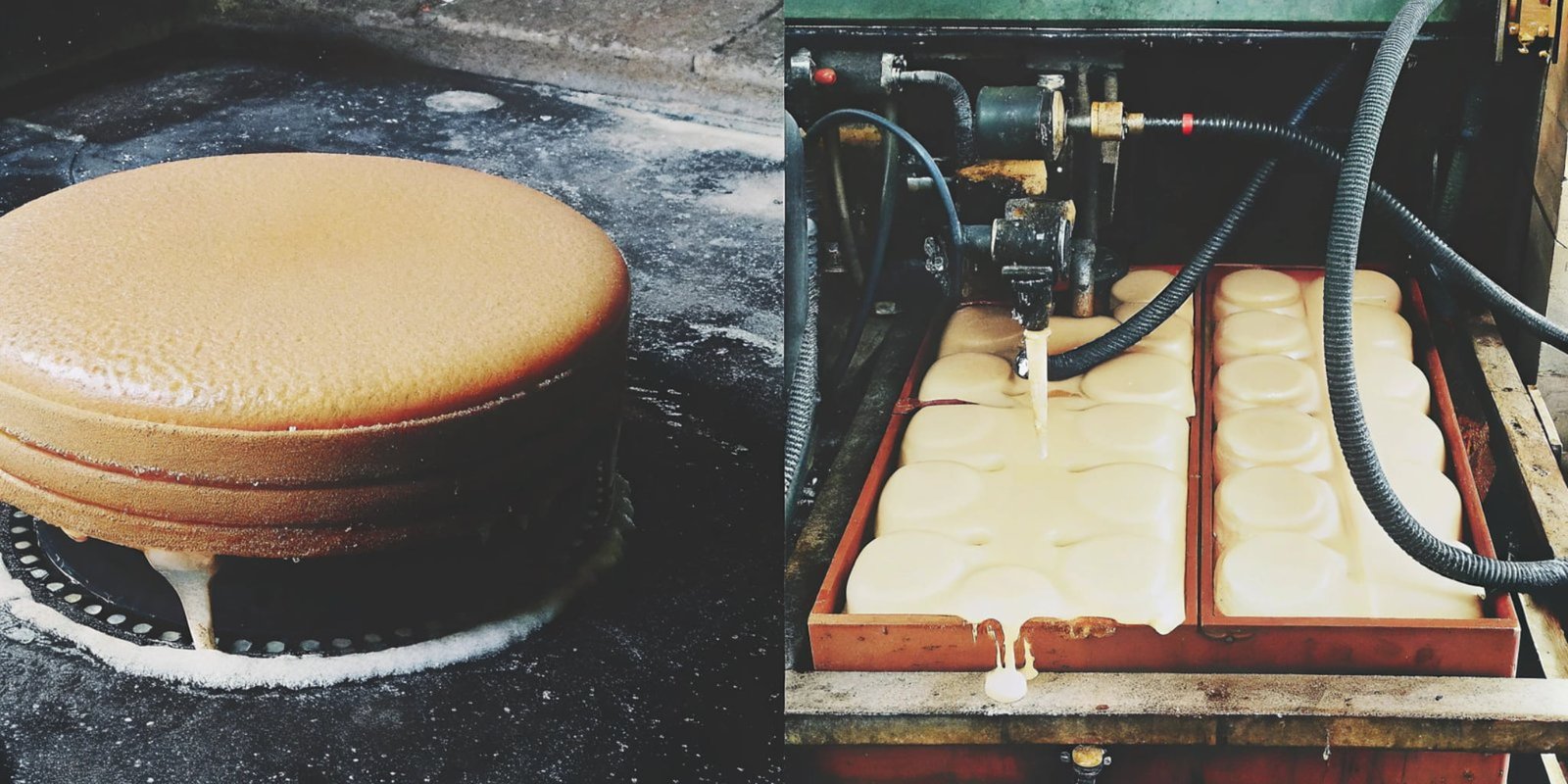
Many of our customers, especially when they are starting a new production line, ask me this question. The names sound alike, but the machines, the process, and the final products are completely different. In my nearly 20 years in the polyurethane industry, I’ve seen clients waste a lot of money by not understanding this basic point. Getting this right is the first step to a successful production line. Now, let’s break down exactly how they work, what they do, and who uses them.
How do foaming machines and pouring machines differ in their functions and applications?
Unsure which machine makes which product? Using the wrong one results in failed parts and production delays. Let’s look at their specific functions and common applications.
Foaming machines create lightweight, cushioning, or insulating products by forming a cellular structure. Pouring machines produce dense, solid, and wear-resistant parts for applications that demand durability, like industrial wheels or gaskets. Their functions are designed for completely different end products.
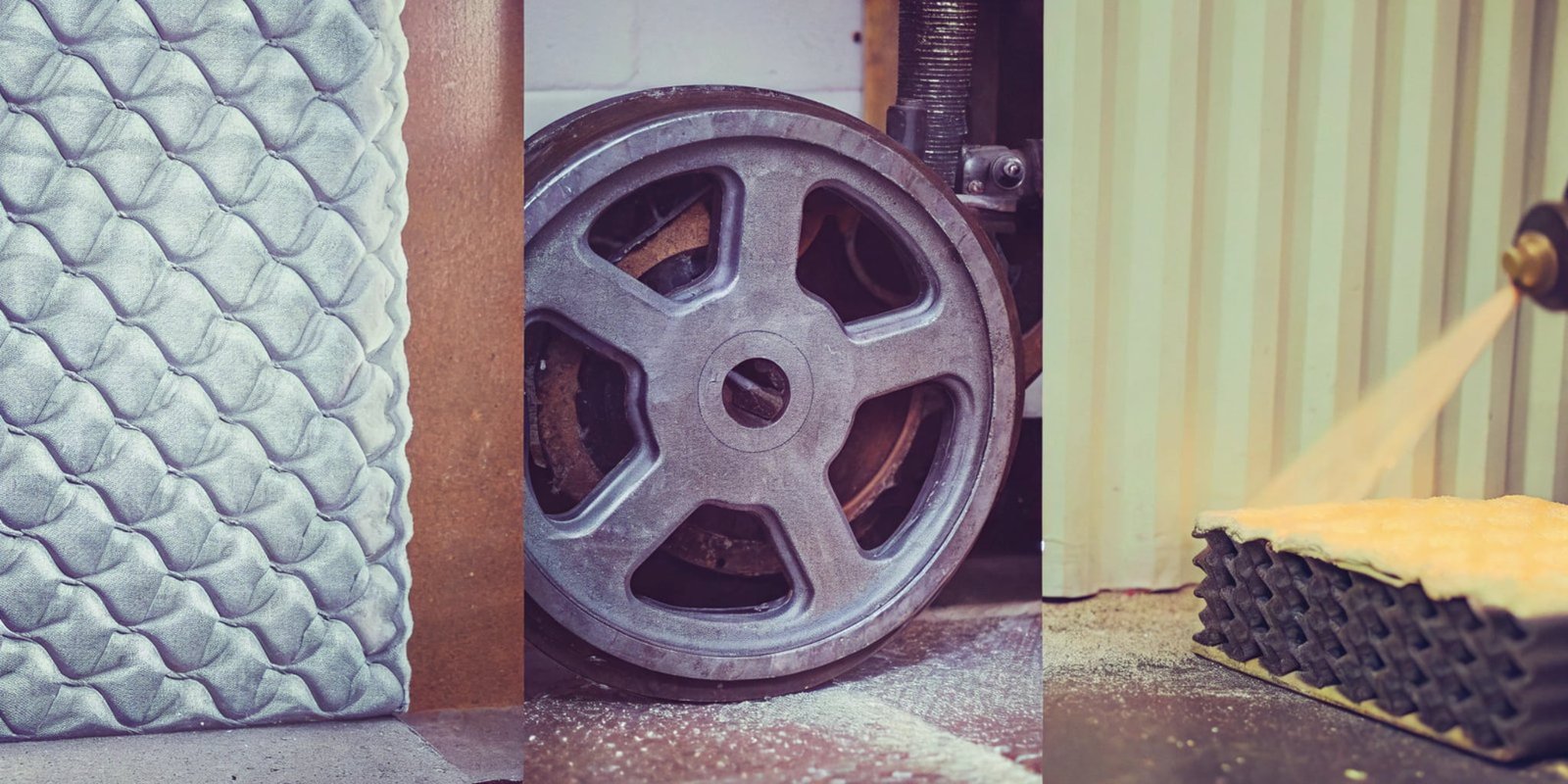
Let’s dive deeper into what this means for your product. The core purpose of each machine dictates its entire design and process. One is built to create a controlled reaction that generates gas, while the other is built to deliver a perfect liquid mix that cures into a solid.
The Function of a Foaming Machine
The main job of a foaming machine is to mix chemical components (usually polyol and isocyanate) with a blowing agent. This agent creates a chemical reaction that releases a gas, like CO2.[^1] This gas forms tiny bubbles, or cells, within the liquid mixture as it expands and cures. The result is a foam product. The size and structure of these cells determine if the foam is flexible like a sofa cushion, rigid like an insulation panel, or viscoelastic like memory foam.[^2] Our high-pressure foaming machines are designed for this. They ensure the mixing is so fast and precise that the cell structure is uniform, which guarantees consistent quality.
The Function of a Pouring (Elastomer) Machine
The function of a pouring machine, or elastomer caster, is the exact opposite. It is designed to mix liquid components and pour them into a mold to create a completely solid, bubble-free part. In the elastomer world, a single bubble is a product defect. It creates a weak point.[^3] So, the machine’s function is to mix perfectly without introducing any air. Often, the raw materials are first placed in a tank under a vacuum to remove any dissolved air[^4] before they are even pumped to the mixing head. The final product is dense, durable, and rubber-like, perfect for high-wear applications.
| Feature | Foaming Machine | Pouring (Elastomer) Machine |
|---|---|---|
| Core Function | To create a cellular structure (bubbles) | To create a solid, bubble-free part |
| End Product | Lightweight, soft, or insulating foam | Dense, durable, wear-resistant solid |
| Example | Sofa cushions, car seats, insulation | Industrial wheels, gaskets, rollers |
What are the key operational differences between a foaming machine and a pouring machine?
Worried about your team running the equipment correctly? Simple mistakes in operation can waste expensive raw materials and halt production. Let’s compare the key operational differences.
Operationally, foaming machines focus on precisely controlling the blowing agent and reaction profile to manage foam density. Pouring machines require very strict temperature control for materials and the mixing head, and often use a vacuum system to degas materials to prevent any bubbles.

Running these two types of machines requires a different focus and skill set from your operators. At Foamor, a big part of our on-site installation service is training the customer’s team on these specific operational details until they are confident. The success of your production depends on your team understanding what to control.
Key Process Controls in Foaming
When operating a foaming machine, the main focus is on the foam’s expansion and density. Your operator needs to manage the ratio of polyol, isocyanate, and the blowing agent. The temperature of the chemicals is important because it affects the reaction speed—too cold and the foam rises slowly; too hot and it can collapse.[^5] The mixing pressure in a high-pressure machine is also critical. It ensures the chemicals are perfectly atomized and mixed in a fraction of a second, which is key for a uniform cell structure.[^6] Our machines have self-cleaning mixing heads, so another operational step is ensuring the cleaning cycle runs correctly after each shot to prevent cured material from blocking the head.
Key Process Controls in Pouring (Elastomer)
For an elastomer machine, the number one priority is preventing bubbles. This starts before the pour. Your operator must ensure the raw materials are properly degassed under vacuum. Second, temperature is everything. Elastomer components are often very thick, so they must be heated—sometimes up to 80-120°C—to reduce their viscosity so they can flow and mix properly. The tanks, hoses, and mixing head must all be kept at a precise, stable temperature. Any cold spot can ruin the pour. The flow rate must be smooth and steady to fill the mold without turbulence that could introduce air.
| Parameter | Foaming Machine Operation | Pouring (Elastomer) Machine Operation |
|---|---|---|
| Core Goal | Control foam rise and density | Prevent all bubbles |
| Material Prep | Ensure correct ratio of blowing agent | Degas materials under vacuum |
| Temperature | Important for reaction speed (e.g., 20-30°C) | Critical for viscosity (e.g., 80-120°C) |
| Mixing Head | High-pressure, self-cleaning is common | Focus on non-aerating, smooth mixing |
Which industries typically use foaming machines versus pouring machines?
Trying to decide which machine fits your industry? Investing in the wrong technology means you can’t make the right products for your market. Here is a simple guide.
Foaming machines are the backbone of the furniture, automotive interior, and building insulation industries. Pouring machines (elastomer casters) are vital for industrial manufacturing, automotive sealing, electronics, and any industry that needs durable, solid polyurethane parts.
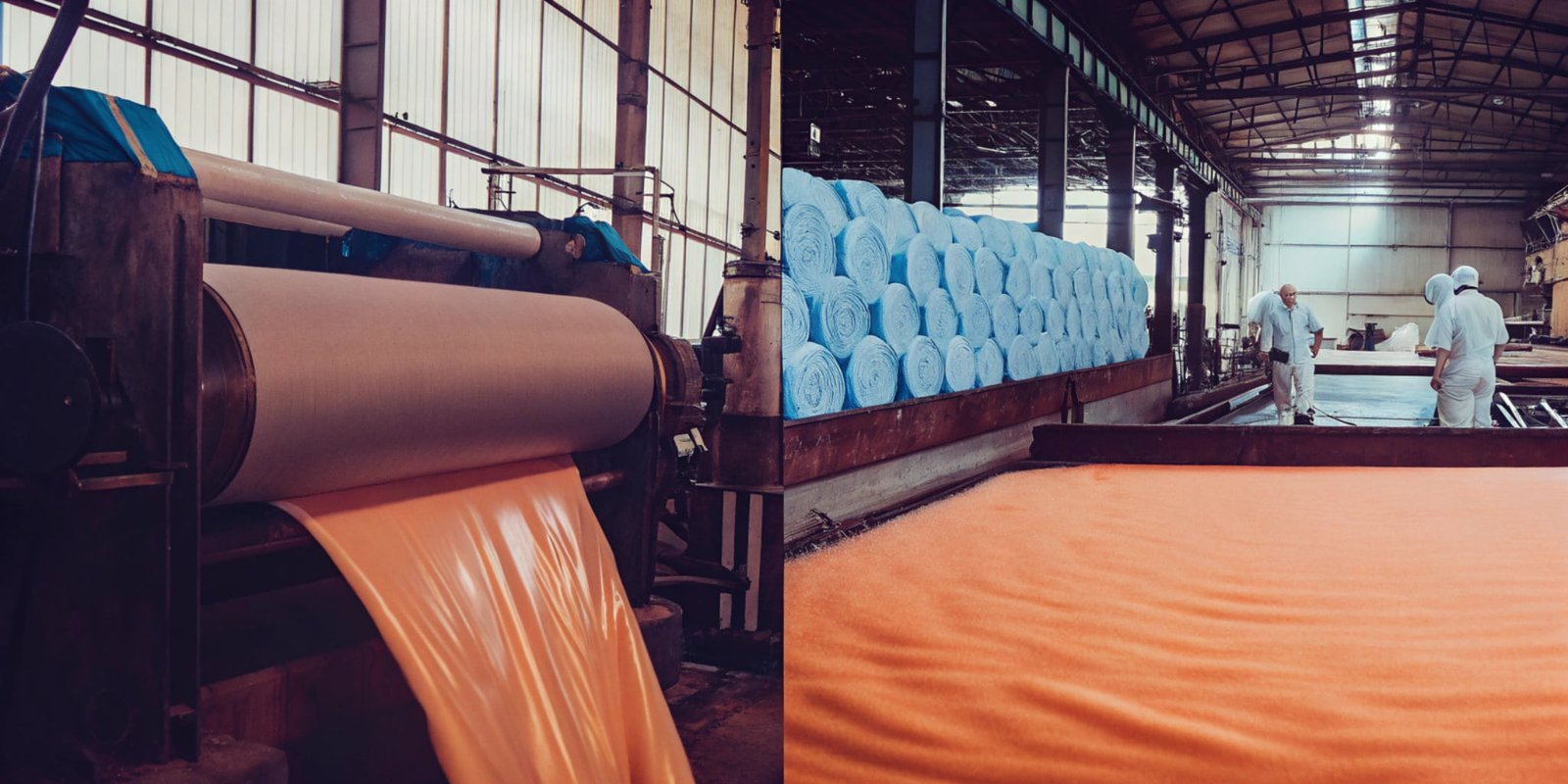
Over the years, we have supplied equipment to hundreds of factories across many industries. I have seen firsthand how the right machine can transform a business. For example, a furniture client in Vietnam, like Mr. Hieu, needs a high-pressure foaming machine to meet quality standards for export. But a client in the Middle East making parts for mining equipment would need an elastomer machine.
Industries Reliant on Foaming Machines
These industries depend on the unique properties of foam: its light weight, comfort, and insulation.
- Furniture & Bedding: This is our largest market. Factories use our high-pressure machines to make flexible foam for sofa cushions, high-resilience (HR) foam for premium seating, and memory foam for mattresses and pillows.
- Automotive: Car manufacturers use various foams for safety and comfort. This includes flexible foam for seats and headrests, semi-rigid foam for dashboards and door panels, and sound-dampening foam.
- Construction & Insulation: Rigid foam is a fantastic insulator. Our machines are used to make insulation boards for walls and roofs, as well as pipe insulation.
- Packaging: Companies use low-density rigid foam to create custom, protective packaging for shipping fragile electronics or equipment.
Industries Reliant on Pouring (Elastomer) Machines
These industries need the toughness, abrasion resistance, and sealing properties of solid elastomers.
- Industrial Manufacturing: This includes making solid, heavy-duty wheels for forklifts, durable rollers for conveyor belts, and wear-resistant screens for sifting rock in mines.
- Automotive: Beyond foam seats, cars need solid seals and gaskets. Pouring machines are used to make engine gaskets and window seals, sometimes applied directly by a robot (Formed-In-Place Gasket, or FIPG).
- Electronics: Pouring machines are used for potting, which means filling an electronic housing with elastomer to protect sensitive components from moisture, dust, and vibration.
- Oil & Gas: The industry uses elastomer “pigs” to clean pipelines and tough seals that can withstand harsh chemicals and high pressures.
Conclusion
In summary, foaming machines intentionally create bubbles for foam products. Pouring machines work to eliminate bubbles for solid elastomer parts. This is the most important difference to remember.
[^1]: “Recent Progress of Non-Isocyanate Polyurethane Foam and …”, https://pmc.ncbi.nlm.nih.gov/articles/PMC9866265/. A polymer chemistry source explaining that water or other blowing agents generate carbon dioxide or gas during polyurethane foam formation would support the stated foaming mechanism. Evidence role: mechanism; source type: education. Supports: Blowing agents in polyurethane foaming can generate gases such as CO2 that form bubbles in the reacting mixture.. Scope note: Different polyurethane foam systems use different physical or chemical blowing agents, so CO2 generation is not universal.
[^2]: “Variation of Mechanical Characteristics of Polyurethane Foam”, https://pmc.ncbi.nlm.nih.gov/articles/PMC6747564/. A review of polyurethane foam morphology and properties would support that cell size, openness, and structure influence mechanical behavior and thermal performance. Evidence role: mechanism; source type: paper. Supports: Cell size and structure help determine whether a polyurethane foam behaves as flexible, rigid, or viscoelastic material.. Scope note: Foam classification also depends on formulation and crosslinking chemistry, not cell structure alone.
[^3]: “Void Formation and Mortality During Liquid Composite …”, https://scholarsarchive.byu.edu/cgi/viewcontent.cgi?article=11189&context=etd. A casting or polymer-composites source discussing voids as defects that reduce mechanical strength would support the claim that entrapped bubbles can act as weak points in solid elastomer parts. Evidence role: mechanism; source type: paper. Supports: Bubbles or voids in cast elastomer parts can be defects because they create local weak points.. Scope note: The severity of a bubble depends on its size, location, loading condition, and acceptance criteria for the part.
[^4]: “The Polyurethane Casting Process Explained | Hot Cast PU Guide”, https://machinepu.net/polyurethane-casting-process/. A processing guide or technical paper on casting resins or polyurethane elastomers describing vacuum degassing as a method for removing entrapped or dissolved gases would substantiate this process step. Evidence role: mechanism; source type: education. Supports: Vacuum treatment is used before casting to remove dissolved or entrained air from liquid materials.. Scope note: The source may discuss resin casting broadly rather than only polyurethane elastomer casting machines.
[^5]: “THE KINETICS OF POLYURETHANE STRUCTURAL FOAM”, https://www.osti.gov/servlets/purl/1369443. A polyurethane-foam processing source explaining the influence of component temperature on reaction kinetics, rise time, and foam stability would support this operational claim. Evidence role: mechanism; source type: paper. Supports: Chemical temperature influences polyurethane foam reaction speed, rise behavior, and foam stability.. Scope note: Exact temperature effects vary with formulation, catalyst package, and foam type.
[^6]: “The Effect of Mixing Pressure in a High-Pressure Machine on …”, https://pmc.ncbi.nlm.nih.gov/articles/PMC9866240/. A source on high-pressure polyurethane impingement mixing would support that rapid mixing quality affects reaction uniformity and foam cell morphology. Evidence role: mechanism; source type: paper. Supports: High-pressure polyurethane mixing rapidly combines components and can influence uniformity of the resulting foam cell structure.. Scope note: The wording “perfectly atomized” is stronger than most technical sources will prove; evidence is more likely to support improved or efficient mixing rather than perfection.
Leave a Reply