

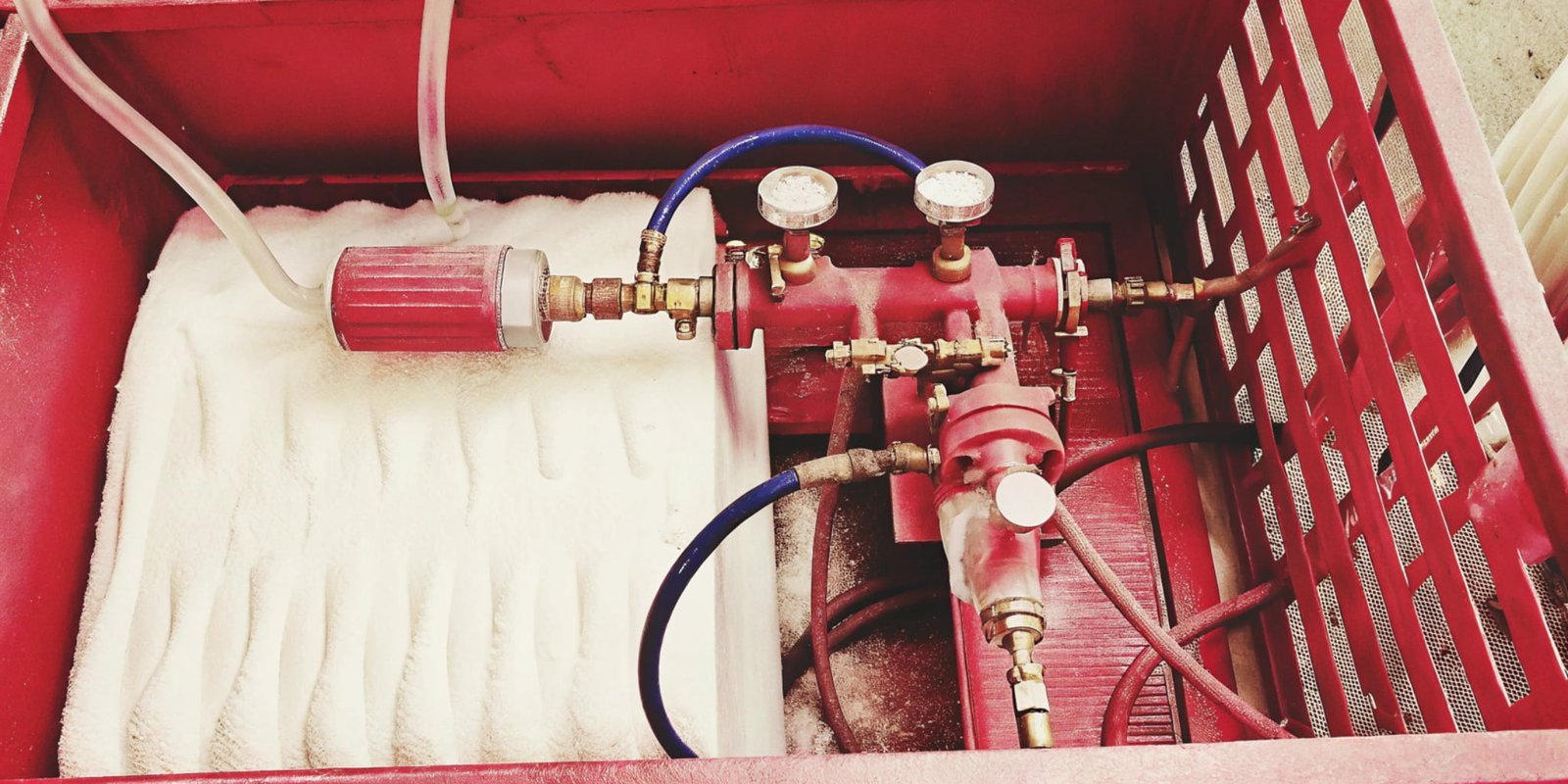
Your current foam production is inconsistent, wasting materials and money. This leads to poor product quality and missed deadlines, which hurts your business and reputation with important clients.
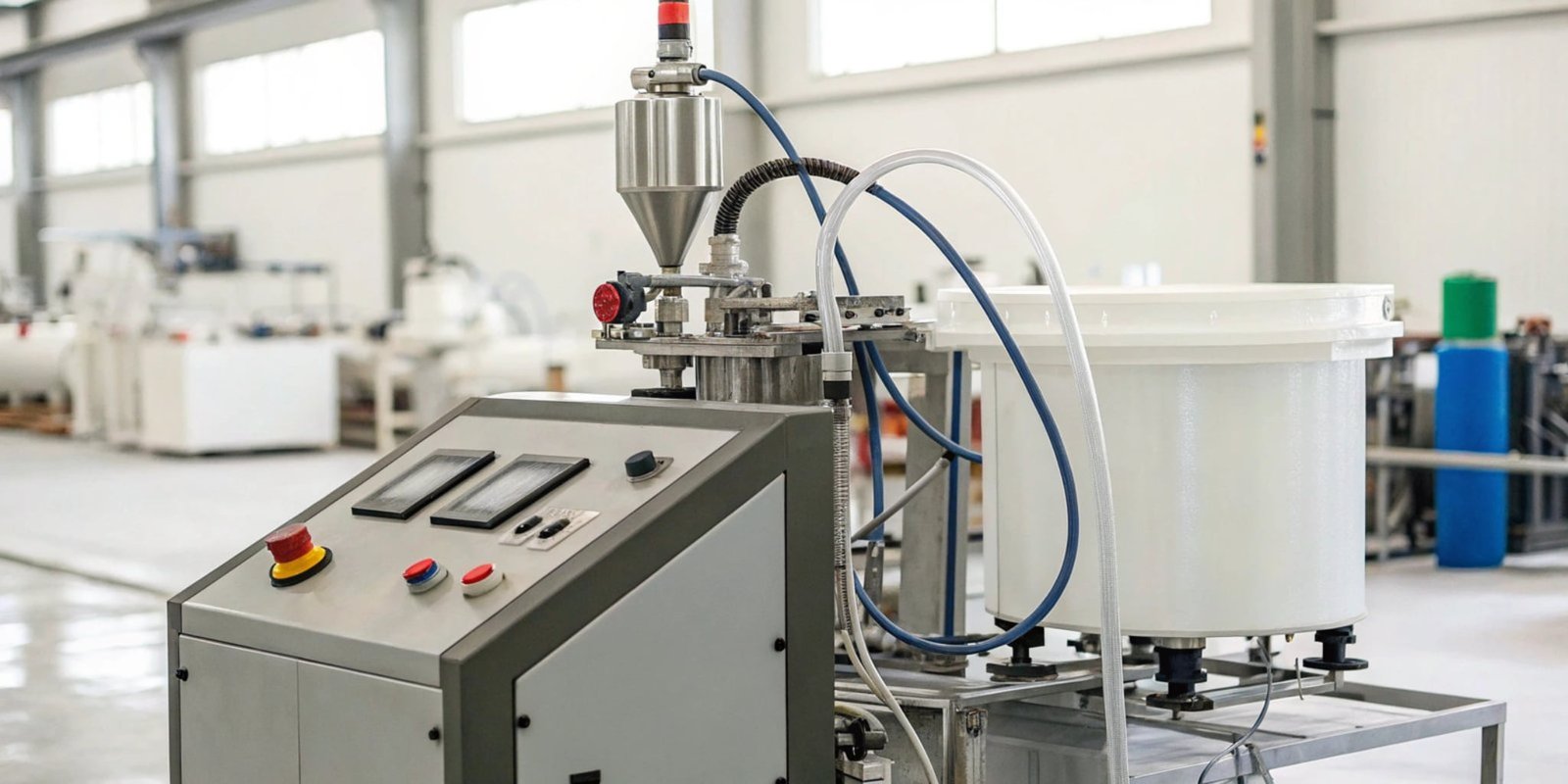
A high-pressure PU foaming machine uses a PLC (Programmable Logic Controller) as its brain to manage multiple systems. It precisely meters, heats, and mixes Polyol and Isocyanate at high pressure for an instant, complete chemical reaction, creating uniform, high-quality foam with minimal waste.
So, that’s the quick answer. But what is really happening inside the machine to make all this possible? You know you need better quality and less waste, but investing in new technology can feel like a big risk, especially if you’re not 100% sure how it works.
Let’s break it down piece by piece. Understanding the core principles and components will show you exactly how this equipment solves the most common problems in foam production. It will give you the confidence to explain the value to your team and your boss.
What is the working principle of a high-pressure polyurethane foaming machine?
You know you need better foam, but the machine’s "working principle" sounds very technical and complicated. This uncertainty makes it hard to justify a large investment to your boss.
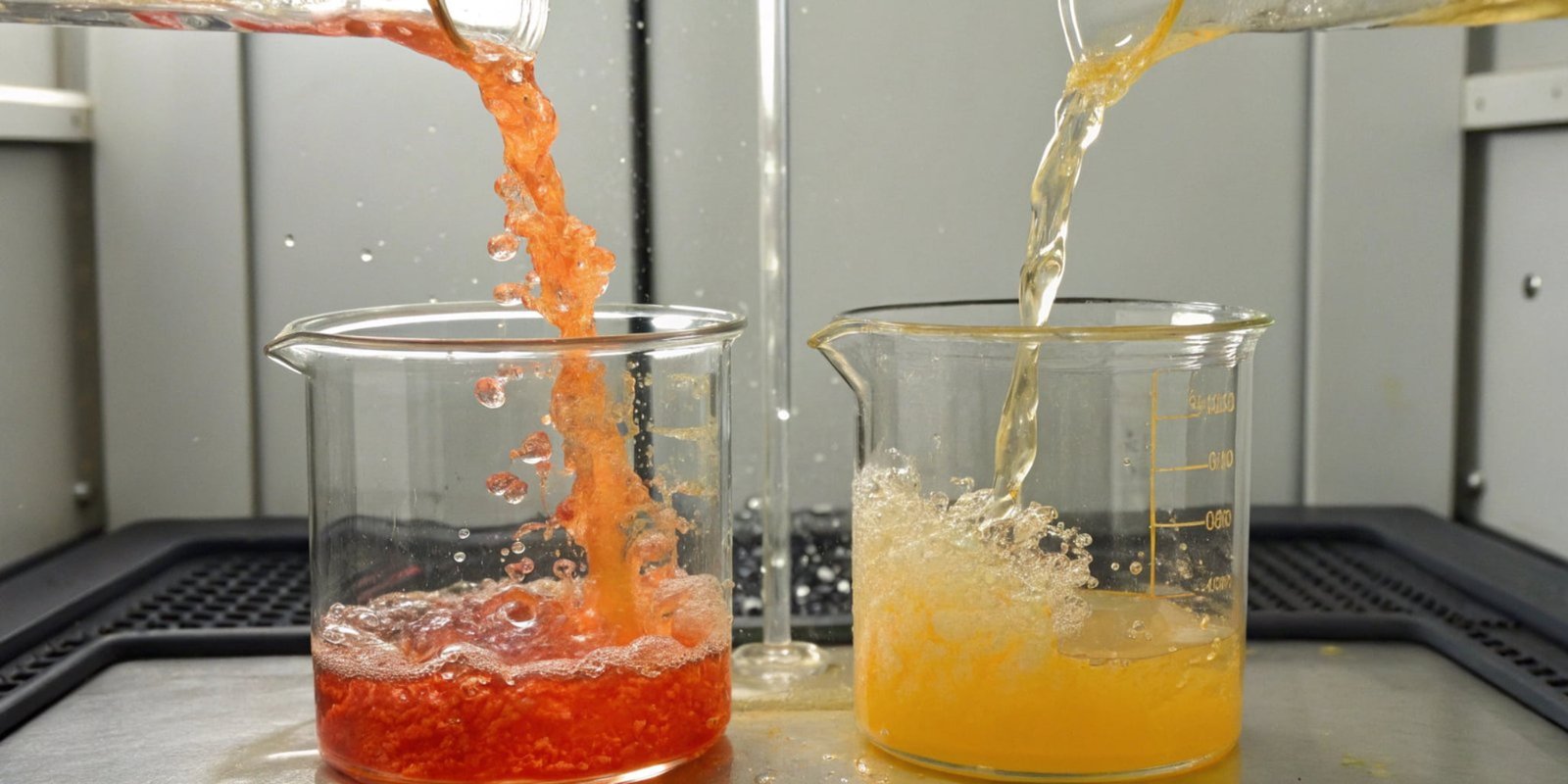
The principle is simple: use extreme pressure to create a perfect mix. It forces the two liquid chemicals to collide at high speed inside a small chamber. This creates a rapid, molecular-level mix without any mechanical stirrer, resulting in very fine and consistent foam.
The PLC: The Brain of the Operation
At the heart of every modern high-pressure machine is a PLC. Think of it as the central command system for the entire production line. Based on the settings we program into it, the PLC sends precise instructions to all other parts of the machine. My insight from years of experience is that this centralized control is the single biggest difference between reliable, modern equipment and older machines that cause so many headaches. It replaces guesswork with digital precision. The PLC doesn’t get tired and it doesn’t make mistakes. It ensures every single shot of foam is made with the exact same parameters as the one before it.
From Commands to Action
The PLC coordinates several systems to work together perfectly. When you ask the machine to make a part, the PLC is what makes it happen correctly.
| System | Its Function | How It Ensures Quality & Reduces Waste |
|---|---|---|
| Temperature Control System | Heats or cools the raw materials to the ideal reaction temperature[^1] (e.g., 23-28°C). | A stable temperature ensures the chemical reaction is consistent, which leads to predictable foam density and structure. |
| Metering System | Uses high-precision pumps to measure the exact ratio of Polyol and Isocyanate. | This is critical. A correct ratio (e.g., 100:50) prevents soft or brittle foam[^2] and drastically cuts down on material waste. |
| Hydraulic System | Provides the power to drive the metering pumps and clean the mixing head. | It generates the immense pressure needed for impingement mixing and ensures the machine is ready for the next shot instantly. |
| Circulation System | Constantly circulates materials from the tanks, through the lines, and back again. | This maintains uniform temperature and prevents any solids in the chemicals from settling, guaranteeing the material is perfect when injected. |
This level of integrated control is why high-pressure machines solve problems like inconsistent quality and high material costs that we often see with older, low-pressure equipment.
How does a high-pressure PU foaming machine mix and dispense materials?
Poor mixing is the source of many foam defects like soft spots, voids, and collapse. You end up with a high reject rate, wasting both your time and expensive chemicals.
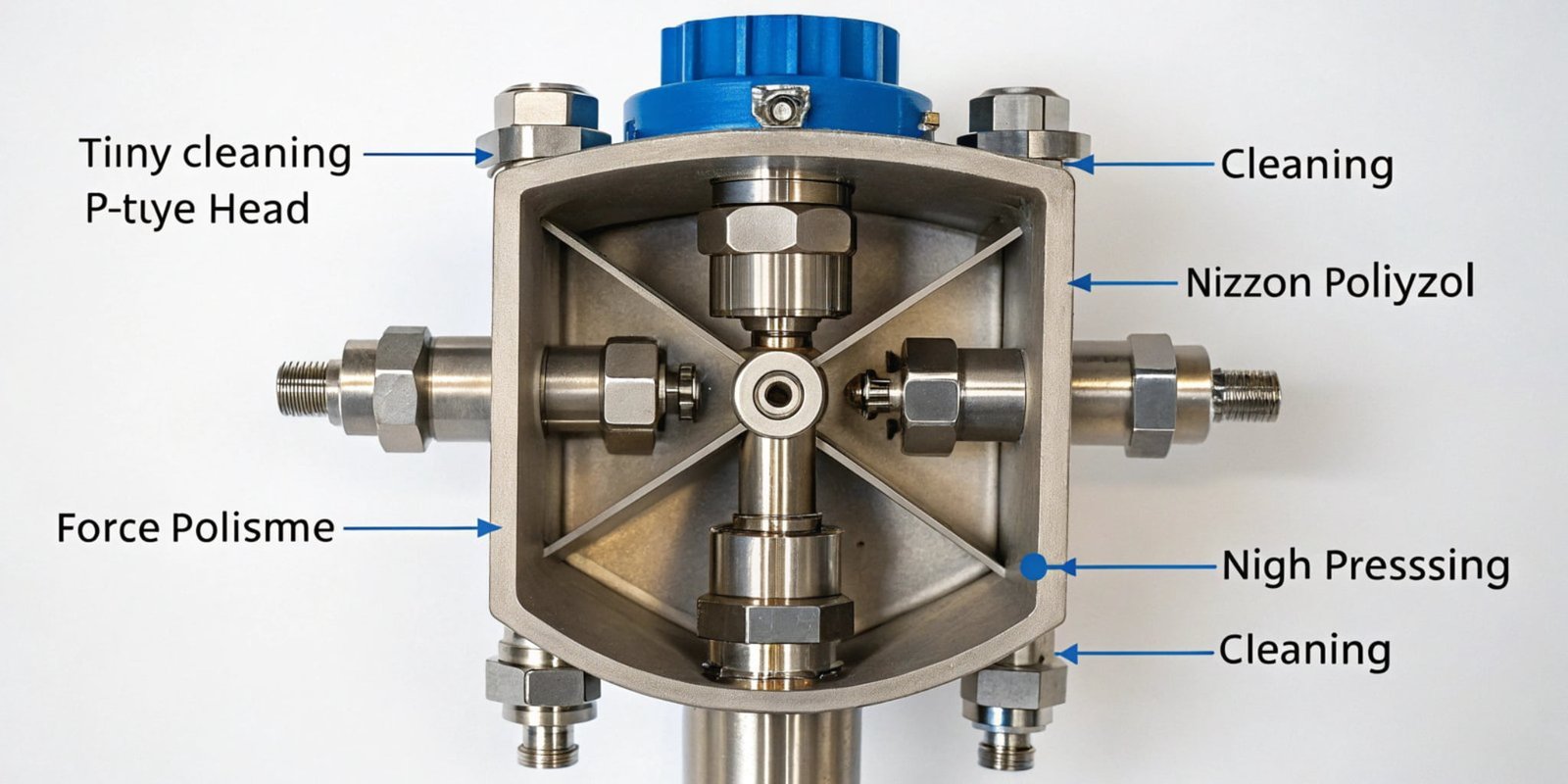
It uses a process called high-pressure impingement mixing. Pumps force Polyol and Isocyanate through tiny nozzles in the mixing head at over 2,000 PSI. The liquids collide and mix instantly. The mix is then immediately dispensed before it expands.
Impingement Mixing: The Core Technology
The magic happens inside the mixing head. Unlike low-pressure machines that use a mechanical stirrer that spins to blend the chemicals, high-pressure machines use pure force. The term "impingement" simply means to crash into each other. We use powerful pumps to pressurize the Polyol and Isocyanate to between 100 and 200 bar (1,500 – 3,000 PSI)[^3]. The liquids are then shot through very small orifices, or nozzles, causing them to atomize and collide with incredible force. This creates an intensely turbulent environment where the two components are mixed at a molecular level in a fraction of a second. The result is a more complete and uniform chemical reaction, which produces a much finer and more consistent foam cell structure[^4].
The Self-Cleaning Advantage
This is one of the best features. After the machine injects the foam, a hydraulically operated piston inside the mixing head moves forward. It perfectly cleans the mixing chamber by pushing out every last bit of reactive material. This means there is no need to flush the head with solvents like methylene chloride[^5], which is common with low-pressure machines. For a factory manager like Mr. Hieu in Vietnam, this has huge benefits. You save money on solvents, you create a safer work environment for your team, and you eliminate the downtime needed for cleaning. You can move from one mold to the next, making parts continuously. This directly improves your production capacity and efficiency.
What components are essential to the operation of a high-pressure PU foaming machine?
Looking at a supplier’s technical sheet, the long list of components can seem overwhelming. You start to worry about what might break and how difficult it will be to get spare parts.
The five essential components are: 1) Material Tanks for storage, 2) a high-precision Metering System with pumps, 3) a Temperature Control Unit, 4) a Hydraulic Power Unit, and 5) the L-type Mixing Head. A PLC control system coordinates them all.
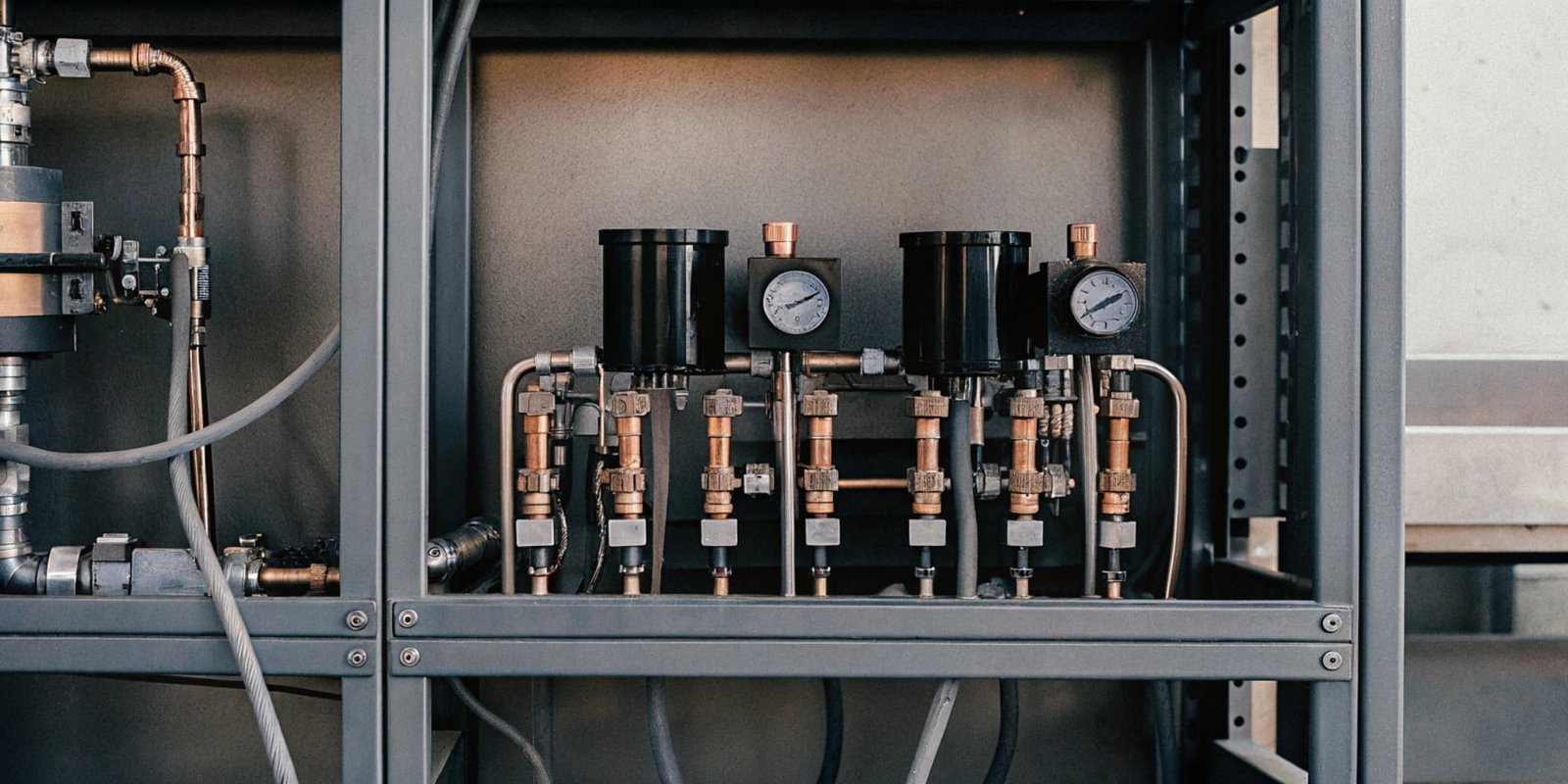
A Breakdown of Key Machine Parts
To make it easier to understand, let’s group the parts by their function. When we build a machine for a client, whether they are making furniture in Vietnam or car parts in Mexico, these are the core groups we focus on for reliability and performance. Understanding these parts helps you understand how the machine works as a whole and what to look for in a quality supplier.
| Component Group | Key Parts | Its Job in the Process |
|---|---|---|
| Material Storage & Conditioning | Jacketed tanks, agitators, level sensors[^6] | These tanks hold your Polyol and Isocyanate. The jacket allows water to circulate around the tank to control temperature, and the agitator keeps the liquids uniform. |
| High-Precision Metering System | Axial piston pumps, magnetic couplings, flow meters (optional) | This is the heart of the machine. The pumps, often from German or Italian brands, measure the exact volume of each chemical for every shot. This ensures your ratio is perfect every time. |
| Hydraulic Power Unit | Electric motor, hydraulic pump, oil reservoir, valves | This unit is the muscle. It provides the high-pressure oil needed to drive the metering pumps and to actuate the cleaning piston in the mixing head with powerful force. |
| High-Pressure Mixing Head | Injection nozzles, mixing chamber, cleaning piston | This is where the mixing happens. It’s designed for high-velocity impingement mixing and, crucially, for self-cleaning after every single shot, so you’re always ready for the next one. |
| Control System | PLC, touch screen (HMI), electrical cabinet | This is the brain. It allows your operator to set and save different programs (recipes), control the injection time down to 0.01 seconds, and monitor all system pressures and temperatures. |
When we talk about after-sales support and reliability, these are the parts that matter. We use high-quality pumps and seals specifically to prevent leaks and ensure a long service life. This minimizes the risk of unexpected downtime, a major fear for any production director.
What steps are involved in the foam production process using a high-pressure machine?
You’re not sure how a complex new machine will fit into your factory’s daily workflow. You worry the process is too complicated and that your workers will struggle to learn it quickly.
The process is simple and repeatable: 1) The system automatically prepares by heating and circulating materials. 2) The operator selects a program on the screen. 3) They press a button to inject foam into the mold. 4) The part cures while they repeat.
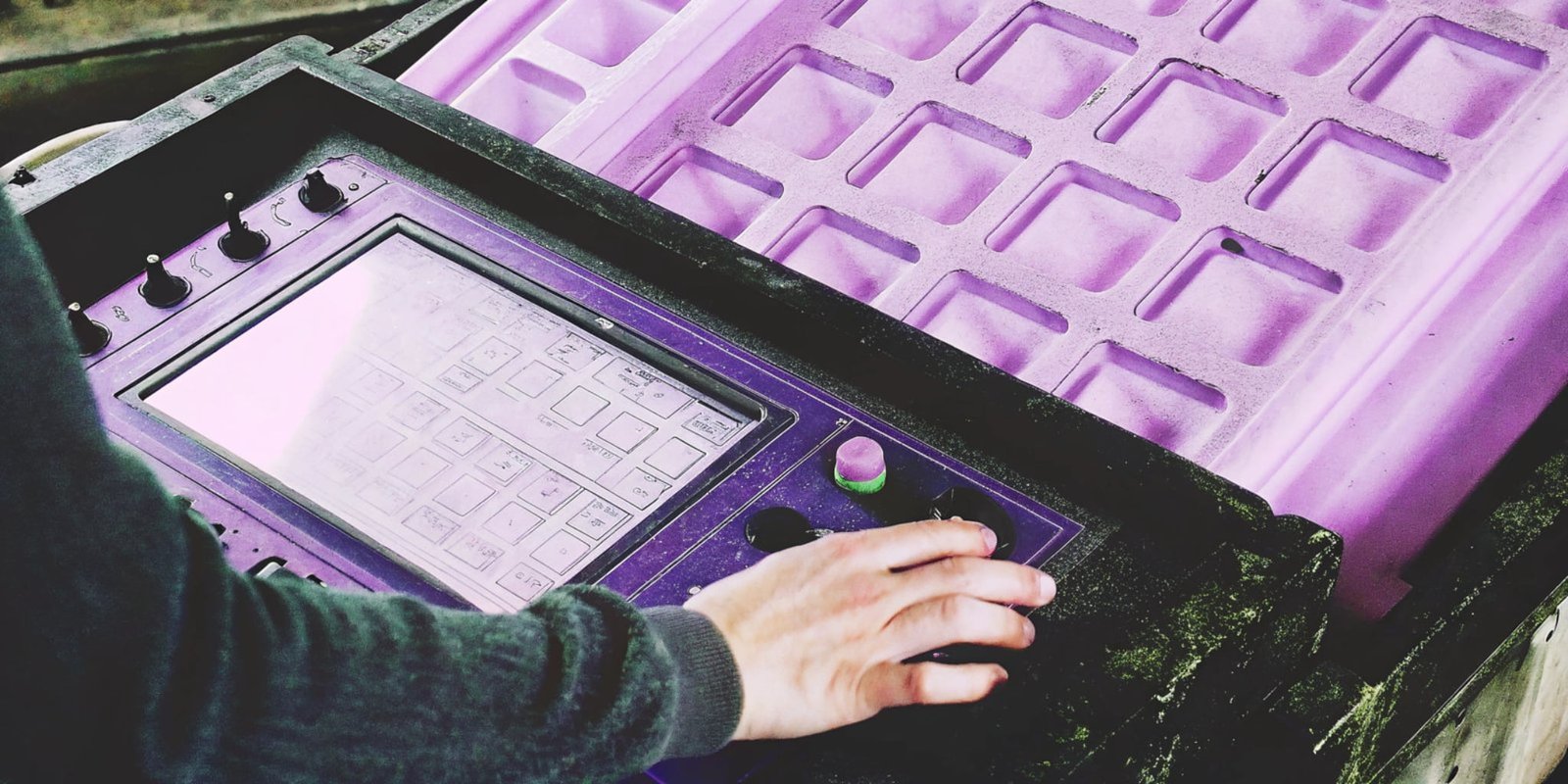
From Start to Finish: A Typical Production Cycle
Let’s walk through the process from the operator’s point of view. It’s much simpler than most people think, and it’s designed for efficiency and ease of use.
Step 1: Preparation (Pre-Production)
First, the operator turns on the machine. The system automatically begins its preparation sequence. Heaters in the tanks bring the Polyol and Isocyanate to the target temperature. The PLC then starts the low-pressure circulation, moving the chemicals through the lines and back to the tanks. This stabilizes the entire system, ensuring it’s ready for consistent production.
Step 2: Setting the Program
The operator goes to the touch screen interface (HMI). For a product you make often, like a sofa cushion, there will be a pre-saved program. Let’s say it’s "Program #3 – Sofa Cushion". The operator simply selects it. This program already contains the exact injection time needed for that part’s size, for example, 3.5 seconds. All ratios and pressures are locked in.
Step 3: Injection
Next, the operator takes the mixing head, places it over the mold’s injection port, and presses the "Inject" button. The machine’s hydraulic system instantly switches to high pressure, the machine injects the foam for exactly 3.5 seconds, and then it stops. The cleaning piston immediately pushes out any residual material from the mixing chamber. The whole injection process is over in seconds.
Step 4: Curing and Repeat
The filled mold is set aside for the foam to expand and cure, which might take a few minutes. While that part is curing, the operator is already moving to the next empty mold. Because the mixing head is self-cleaning, they can immediately repeat Step 3. This continuous, fast cycle is what makes high-pressure production so efficient for making many parts. Our on-site engineers train your team on this exact workflow until they are experts.
Conclusion
A high-pressure machine gives you total control over foam production. It uses precision engineering and a PLC brain to deliver consistent quality, reduce material waste, and boost your factory’s output.
[^1]: "A Review of Research on the Effect of Temperature on … – PMC", https://pmc.ncbi.nlm.nih.gov/articles/PMC9654075/. Polyurethane foam studies and processing references show that reaction temperature affects reaction kinetics, viscosity, rise time, and final foam morphology, supporting the need to control temperature during production. Evidence role: mechanism; source type: paper. Supports: Temperature control is important because reaction temperature affects polyurethane foam formation and properties.. Scope note: The magnitude and direction of temperature effects depend on formulation, catalysts, and foam type.
[^2]: "Investigation of the Polyol Types and Isocyanate …", https://www.researchgate.net/publication/349903604_Investigation_of_the_Polyol_Types_and_Isocyanate_Concentrations_on_the_Rheological_Morphological_and_Mechanical_Properties_of_Polyurethane_Foams. Polyurethane chemistry literature supports that the isocyanate-to-polyol stoichiometric balance influences polymer network formation and resulting mechanical properties such as hardness, brittleness, and elasticity. Evidence role: mechanism; source type: paper. Supports: Correct metering ratio is critical to obtaining intended polyurethane foam properties.. Scope note: The example ratio is formulation-specific; the source can support the importance of correct stoichiometry but not that 100:50 is correct for every product.
[^3]: "Impingement mixing in reaction injection molding", https://experts.umn.edu/en/publications/impingement-mixing-in-reaction-injection-molding. Technical descriptions of high-pressure polyurethane dispensing and reaction injection molding report operating pressures in the approximate range of 100–200 bar, supporting the article’s stated pressure range as typical for this process. Evidence role: statistic; source type: paper. Supports: High-pressure PU foaming commonly uses component pressures around 100–200 bar.. Scope note: Pressure ranges vary by machine, formulation, and mixing-head design.
[^4]: "Structure and Properties of Sprayed Polyurethane Bio-Based …", https://pmc.ncbi.nlm.nih.gov/articles/PMC12473794/. Research on polyurethane foam processing indicates that mixing intensity and component dispersion affect cell nucleation, cell-size distribution, and uniformity in polyurethane foams. Evidence role: mechanism; source type: paper. Supports: More effective mixing can contribute to finer and more uniform polyurethane foam cell structure.. Scope note: Such sources support the relationship between mixing and cell structure generally, not the performance of a particular machine model.
[^5]: "1910.1052 – Methylene chloride. | Occupational Safety and …", https://www.osha.gov/laws-regs/regulations/standardnumber/1910/1910.1052. Occupational and environmental health sources identify methylene chloride as a hazardous solvent, supporting the article’s claim that avoiding solvent flushing can reduce worker exposure risks. Evidence role: expert_consensus; source type: government. Supports: Reducing or eliminating methylene chloride use can improve workplace safety in manufacturing contexts.. Scope note: Health-risk sources do not directly prove that a specific self-cleaning mixing head eliminates solvent use in every production setting.
[^6]: "HEAT TRANSFER TO VISCOUS MATERIALS IN JACKETED …", https://preserve.lehigh.edu/_flysystem/fedora/2024-12/0008163.pdf. Industrial process-engineering references describe jacketed vessels and agitators as standard equipment for temperature control and maintaining liquid homogeneity, supporting their stated role in material conditioning. Evidence role: definition; source type: education. Supports: Jacketed tanks and agitators are used to control temperature and maintain uniform liquid materials.. Scope note: The source may address process vessels generally rather than polyurethane foaming machines specifically.
Leave a Reply