
Struggling with low margins? Polyurethane foam production seems complex and expensive. We show you how modern equipment makes it a highly profitable venture for your business.
Yes, manufacturing polyurethane (PU) foam is very profitable. This is especially true in growing markets. By using efficient machinery like high-pressure systems, you can lower raw material waste and produce high-quality foam for furniture, insulation, and automotive parts, leading to excellent returns on investment.
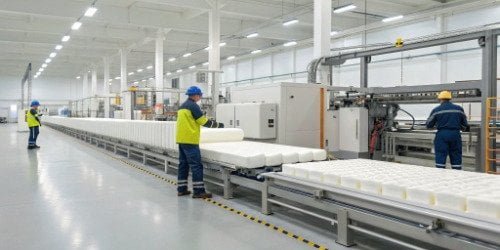
The potential for profit is clear, but many factors decide your success. It is not just about making foam; it is about making the right foam for the right market. We see this every day with our clients in places like Vietnam and Malaysia. They are capturing huge opportunities by upgrading their production. Let’s look at the bigger picture to understand how you can do the same, starting with who the major players are in this industry.
Who are the largest manufacturers of polyurethane foam?
You see big names like Dow and BASF everywhere. It feels impossible to compete. But the market is bigger than just chemical giants. You can carve out your own space.
The largest manufacturers are chemical suppliers like BASF, Covestro, Dow, and Huntsman. They produce the raw materials (polyols and isocyanates). However, thousands of local manufacturers buy these chemicals to produce the final foam products, like mattresses, car seats, and insulation panels for their specific markets.

It is important to understand that there are two different types of "manufacturers" in the polyurethane world. This is a key point many people miss. On one side, you have the global chemical giants. On the other, you have the product manufacturers like you.
Two Tiers of the PU Foam Market
The global chemical companies focus on making the core ingredients. They operate on a massive scale. But they do not make the sofa cushions or the car seats that consumers use. That is where the second tier comes in. Local product manufacturers are the bridge between the raw chemicals and the final product. They have the advantage of being close to their customers and can respond quickly to local demand. The market for finished foam products is very fragmented, which creates huge opportunities for small and medium-sized businesses in emerging markets to become local leaders.[^1]
| Player Type | Role in the Supply Chain | Examples | Your Opportunity |
|---|---|---|---|
| Global Chemical Suppliers | Produce raw materials (MDI, TDI, Polyols) | BASF, Covestro, Dow | You buy raw materials from them or their distributors. |
| Local Product Manufacturers | Mix chemicals to create final foam products | Furniture factories, insulation installers | This is you. You serve a specific end-market directly. |
What are the disadvantages of polyurethane foam?
You hear about PU foam’s great properties. But you also worry about safety and environmental concerns. Let’s talk openly about the drawbacks so you can make an informed decision.
The main disadvantages relate to its raw materials, which can be hazardous before curing, and its environmental impact, as it’s derived from petroleum and not easily biodegradable. Also, poor quality foam can degrade over time. Proper handling, ventilation, and quality control are essential to manage these issues.
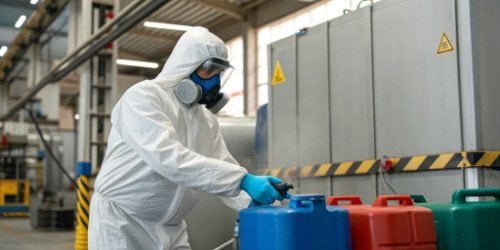
We believe in being transparent with our clients. Polyurethane is an amazing material, but it is not perfect. Knowing the disadvantages helps you prepare and manage them correctly. The issues fall into three main areas.
Handling and Safety Concerns
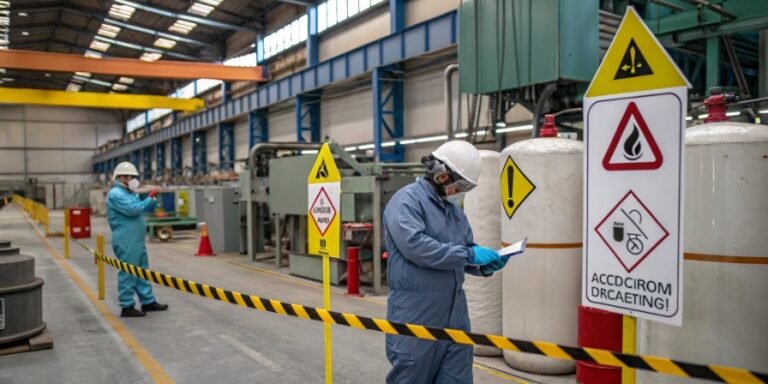
The raw liquid chemicals, especially isocyanates, must be handled with care. Direct contact or inhaling the vapors can be harmful. This is why proper training and the use of Personal Protective Equipment (PPE) like gloves, goggles, and respirators are mandatory during production. The good news is that once the chemicals react and cure into solid foam, they become completely inert and safe for everyday use.
Environmental Impact
Standard PU foam is a plastic derived from petroleum, so it is not biodegradable.[^2] This is a valid environmental concern. The industry is actively working on solutions, like developing bio-based polyols from plants to make the foam more sustainable.[^3] We also advise our clients that producing high-quality, durable foam is an environmental positive. A sofa cushion that lasts 10 years creates less waste than one that needs replacing every 2 years.
Quality Control is Everything
The biggest "disadvantage" often comes from poorly made foam. If the chemical ratio is wrong or the mixing is poor, you can get foam that:
- Has a strong chemical smell
- Turns yellow and brittle quickly
- Collapses under weight
This is not a failure of the material, but a failure of the process. Using a precision machine, like our high-pressure systems, and having the right process control eliminates these problems.[^4]
How hard is it to start a spray foam insulation business?
Starting a spray foam business seems lucrative. But the high initial cost and technical skills feel daunting. We’ll break down the real steps and show you it’s achievable.
Starting a spray foam insulation business has moderate difficulty. The main challenges are the initial investment in a spray foam rig (machine, generator, compressor), proper training for application and safety, and building a customer base. With the right partner for equipment and training, the path is much smoother.

A spray foam business can be very profitable, but success depends on getting the foundation right. We think of it as three main pillars you need to build. If one pillar is weak, the whole business can fail.
The Three Pillars of a Spray Foam Business
Getting these three areas right from the start will save you a lot of money and headaches down the road. The technical aspects—equipment and training—are where a good supplier can become a true partner. We don’t just sell you a machine; we make sure you and your team know how to use it safely and effectively to produce top-quality insulation that your customers will love. This support de-risks a large part of your initial investment.
| Pillar | Key Components | Our Advice |
|---|---|---|
| 1. Equipment | Spray foam machine (reactor), heated hoses, spray gun, generator, air compressor, safety gear (PPE). | Do not buy the cheapest machine. Reliability is everything. Downtime on a job site will cost you more than the savings. Look for a machine that is easy to maintain and service. |
| 2. Training | Chemical safety, application techniques (spraying on-ratio, controlling temperature), equipment maintenance. | This is non-negotiable. Bad application can lead to poor insulation, structural damage, and legal issues. Your equipment supplier must provide hands-on training. |
| 3. Business | Getting proper licensing and insurance, marketing to find customers (builders, homeowners), and sales. | Start by focusing on a specific niche. For example, you could specialize in residential attic insulation or new commercial construction. Build a reputation for quality work. |
Which foam is better, PU or HR?
Choosing foam for furniture feels confusing. You see terms like PU and HR, but what’s the difference? We’ll clarify which foam is best for your specific application.
Neither is "better"; they are for different uses. Standard Polyurethane (PU) foam is great for backrests and armrests. High Resilience (HR) foam is a premium type of PU foam. It is more durable, comfortable, and supportive, making it ideal for high-use seat cushions and quality mattresses.
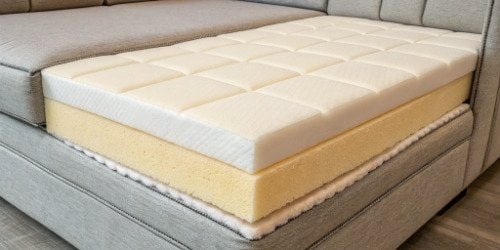
This is a question we get all the time, especially from furniture manufacturers. A client in Vietnam, for example, needed to upgrade his production for a large European customer. The customer specified HR foam for all seating. Understanding the difference was critical for his business.
Comparing Standard PU vs. High Resilience (HR) Foam
First, it’s important to know that HR foam is a type of polyurethane foam. The difference comes from the specific chemical recipe used. HR foam uses a different, more complex blend of polyols. This creates a different internal cell structure. The cells are less uniform, which makes the foam more durable and supportive. For a production director like our Vietnamese client, choosing the right foam is not just about quality, it’s about meeting customer specifications and justifying a higher price point. Our high-pressure machines are ideal for this, as they can precisely produce both standard PU and HR foam with a simple change in formulation.
| Feature | Standard PU Foam | High Resilience (HR) Foam |
|---|---|---|
| Feel | Firmer, less "bouncy" | Springy, more responsive, "bounces back" |
| Durability | Good | Excellent (retains shape much longer) |
| Support Factor | Lower | Higher (provides better support for body weight) |
| Cost | Lower | Higher (20-40% more expensive) |
| Best Use Case | Sofa back cushions, armrests, packaging foam | Premium seat cushions, high-quality mattresses |
Conclusion
Manufacturing polyurethane foam is a profitable business, especially in growing markets. Success depends on the right equipment, process knowledge, and a reliable partner. We are here to help you succeed.
[^1]: "Spray Polyurethane Foam Market Size, Scope | Industry Analysis 2031", https://www.mordorintelligence.com/industry-reports/spray-polyurethane-foam-market. The fragmentation of the finished foam product market creates opportunities for small and medium-sized businesses, as noted in market analyses and industry reports. Evidence role: expert_consensus; source type: institution. Supports: The fragmented market for finished foam products creates opportunities for small and medium-sized businesses.. Scope note: Opportunities may vary depending on regional market dynamics and competition.
[^2]: "Oil Spill Recovery of Petroleum-Derived Fuels Using a …", https://pmc.ncbi.nlm.nih.gov/articles/PMC12298877/. Polyurethane foam is derived from petroleum-based chemicals and is generally not biodegradable, as confirmed by environmental studies and material science research. Evidence role: definition; source type: research. Supports: Standard polyurethane foam is derived from petroleum and is not biodegradable.. Scope note: The biodegradability of polyurethane foam may vary with newer formulations, such as bio-based polyols.
[^3]: "Bio-Based Polyurethane Foams: Feedstocks, Synthesis … – PMC", https://pmc.ncbi.nlm.nih.gov/articles/PMC12108712/. Research into bio-based polyols for polyurethane foam production is ongoing, as highlighted in sustainability-focused chemical studies. Evidence role: mechanism; source type: research. Supports: The industry is developing bio-based polyols to make polyurethane foam more sustainable.. Scope note: The adoption of bio-based polyols is still limited and may not yet be widespread in the industry.
[^4]: "The Effect of Mixing Pressure in a High-Pressure Machine on … – PMC", https://pmc.ncbi.nlm.nih.gov/articles/PMC9866240/. Precision machines, such as high-pressure systems, are effective in ensuring proper chemical mixing and process control, as supported by technical manuals and industry case studies. Evidence role: mechanism; source type: research. Supports: High-pressure systems and proper process control eliminate issues like poor foam quality.. Scope note: The effectiveness of these systems may depend on operator training and maintenance practices.

Leave a Reply