
Wondering if PU foam production is profitable? The high initial costs and technical challenges can be daunting, making you hesitate on this major investment. Let’s see if it’s worth it.
Yes, manufacturing polyurethane foam is very profitable. High demand in furniture, automotive, and construction, combined with the ability to control costs through efficient production and material management, creates significant profit margins for manufacturers.
Profitability is more than just a simple "yes" or "no." It depends on your market, your efficiency, and the equipment you choose. We’ve helped hundreds of factories get started, and we know the questions you’re asking. Let’s dive deeper into what makes a foam business successful and explore the details you need to know before you invest.
Is the foam business profitable?
Starting a foam business seems attractive, but the risks are real. Stories of failed ventures and wasted capital make you question if the rewards truly outweigh the risks.
A foam business is profitable if you manage three key areas: raw material costs, production efficiency, and product quality. Mastering these turns high demand into high margins and builds a sustainable operation.
The profitability of a foam business is a direct result of how well you control your variables. It’s not just about selling foam; it’s about making it efficiently. We see it all the time with new clients who are struggling with old equipment. They face high raw material waste, inconsistent quality, and frequent downtime. A modern high-pressure foaming machine can be the single biggest factor in turning this around. By delivering precise metering (±0.5%), it drastically cuts down on chemical waste[^1]. This precision also ensures every block of foam meets quality standards, reducing customer complaints and returns. When you can produce more, waste less, and deliver consistently high quality, your profit margins naturally increase. Many of our clients find that the savings from reduced waste alone can lead to a full return on their investment in the machine within 6-12 months[^2].
Key Levers for Profitability
| Factor | Low-Profit Scenario | High-Profit Scenario |
|---|---|---|
| Material Waste | 5-10% due to inaccurate mixing | <1% with precise high-pressure machine |
| Product Quality | Inconsistent density, defects | Uniform, high-quality foam |
| Downtime | Frequent breakdowns, long repairs | Minimal downtime, reliable operation |
| Labor Cost | High manual intervention | Automated processes, higher output per worker |
Who are the largest manufacturers of polyurethane foam?
Entering the foam market feels like competing with giants. The names are huge, their reach global. How can a local factory possibly find its place and succeed?
While chemical giants like BASF, Dow, and Covestro dominate raw material supply, the foam product manufacturing is highly fragmented. This creates huge opportunities for local and regional producers to serve specific market needs.
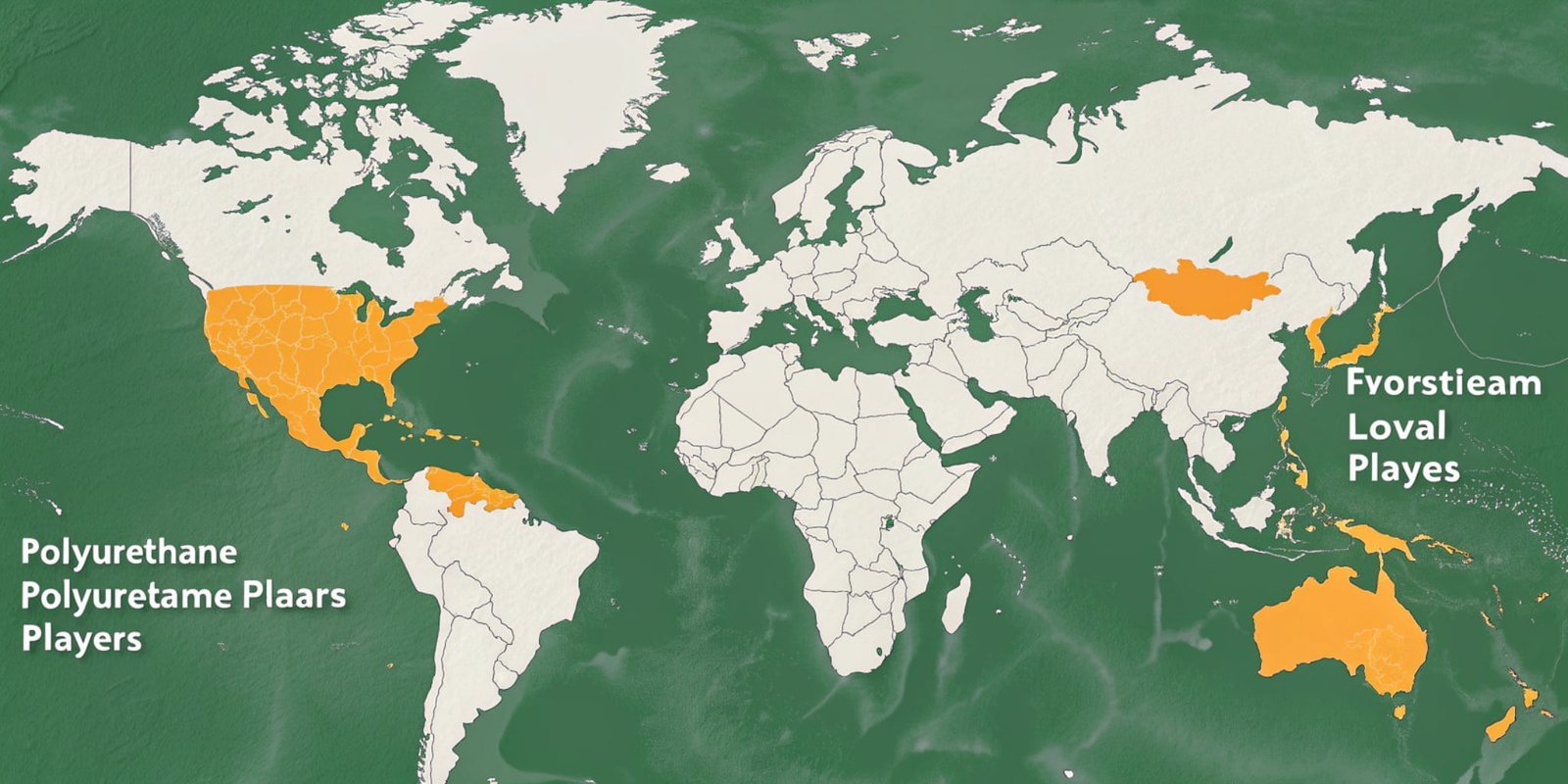
It’s crucial to understand the structure of the polyurethane industry. There’s a big difference between the companies that make the chemicals and the companies that make the foam products. The giants you hear about—BASF, Covestro, Dow, Huntsman—are primarily raw material suppliers. They produce the polyol and isocyanate in massive quantities. But they don’t typically make the sofa cushions, mattresses, or car seats themselves. That’s where you come in. Local and regional manufacturers are the backbone of the industry, buying these raw chemicals and transforming them into valuable finished or semi-finished goods. Your advantage is agility. You are closer to your customer, can respond to local market demands faster, and can produce custom orders that a global giant would never touch. You are not competing with BASF; you are their customer, and they need factories like yours to create a market for their chemicals.
The Polyurethane Foam Value Chain
| Stage | Player | Role |
|---|---|---|
| 1. Chemical Production | Chemical Giants (e.g., BASF, Dow) | Produce and sell raw Polyol & MDI |
| 2. Equipment & Solutions | Foamor (Us) | Provide machinery, process, and support |
| 3. Foam Manufacturing | Your Factory (You) | Convert chemicals into foam products |
| 4. End-Use Products | Furniture/Auto/Construction Co. | Integrate foam into final goods for sale |
Which foam is better, PU or HR?
Choosing between PU foam and HR foam feels confusing. Pick the wrong one, and you risk poor product performance, customer complaints, and costly production changes.
Neither is "better"; they serve different purposes. Standard PU (polyurethane) foam is best for basic cushioning and support. HR (High Resilience) foam offers superior durability, comfort, and elasticity for high-end furniture and mattresses.
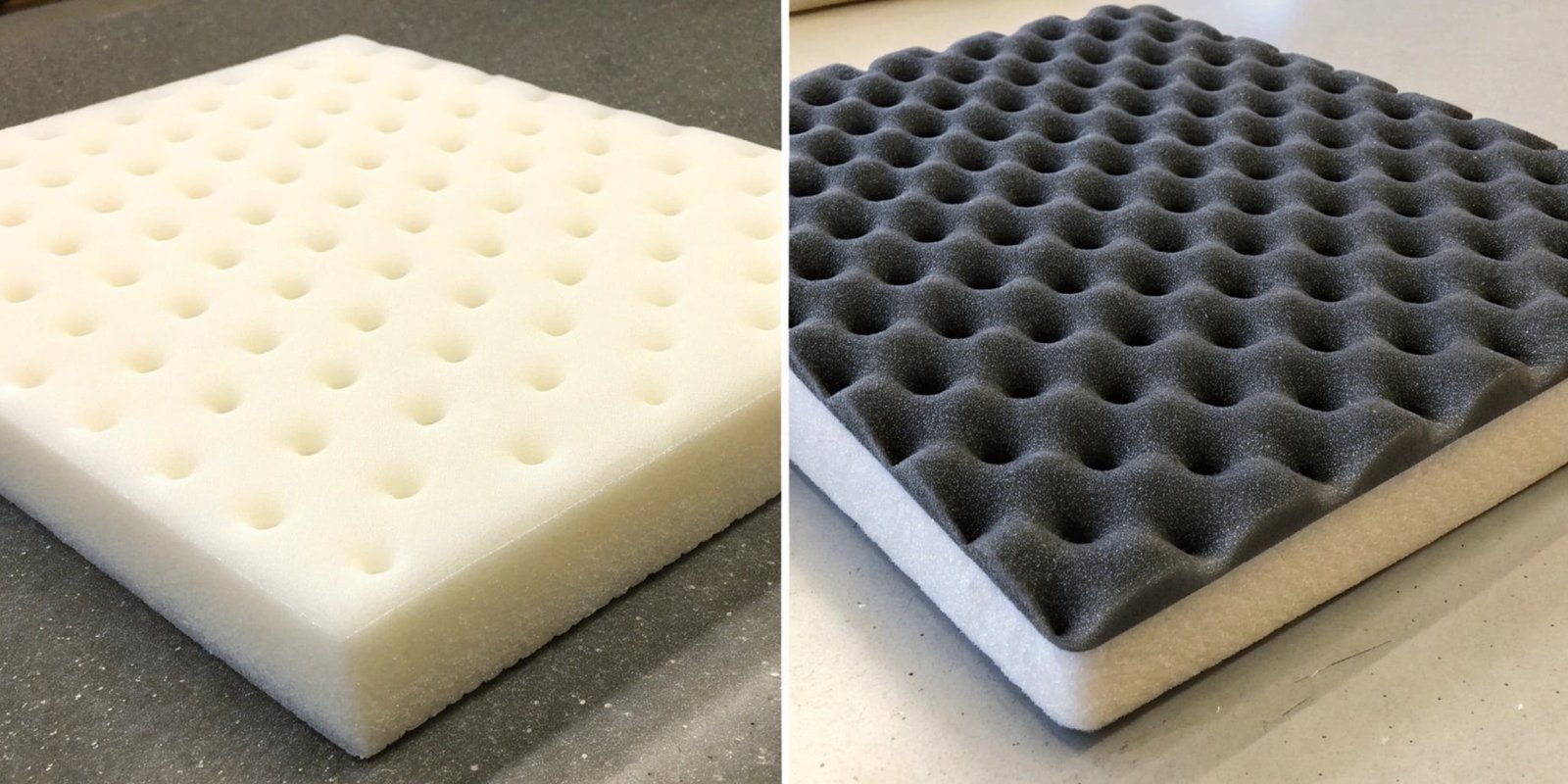
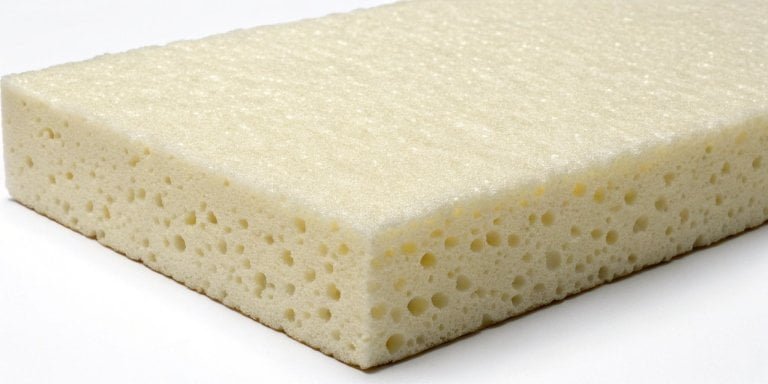
The choice between standard Polyurethane (PU) foam and High Resilience (HR) foam depends entirely on your product’s target market and quality level. For a company like Nam Anh Furniture, this is a critical decision. Their big client, IKEA, is demanding higher quality, and their old machine struggles to produce consistent results. Upgrading to HR foam is the clear path to meeting these new standards. HR foam has an open-cell structure that makes it more breathable, supportive, and durable. It bounces back to its original shape much better than standard PU foam, which is why it’s used in premium mattresses and high-use furniture seating[^3]. While the raw material cost for HR foam is higher, the final product commands a higher price and results in greater customer satisfaction. Our high-pressure machines are perfect for this transition, as they can precisely handle the different formulations for both standard PU and HR foam, giving you the flexibility to serve multiple market segments.
A Head-to-Head Comparison
| Feature | Standard PU Foam | High Resilience (HR) Foam |
|---|---|---|
| Comfort & Feel | Firm to soft, basic cushioning | Springy, elastic, "bouncy" |
| Durability | Good, suitable for light/medium use | Excellent, for high-traffic/long-life items |
| Support Factor | Lower (1.5-2.0) | Higher (>2.5), better body support |
| Cost | Lower | Higher (25-40% more) |
| Best For | Backrests, packaging, budget mattresses | Sofa seats, premium mattresses, car seats |
How much money can you make doing spray foam insulation?
The spray foam insulation market is hot, but what are the real profits? It’s easy to get lost in equipment costs and job quotes, unsure of the final take-home pay.
A spray foam insulation business can be highly profitable, with gross margins often ranging from 40-60% per job. Profitability depends on material cost, job size, and operational efficiency, but annual net profits can easily reach six figures.
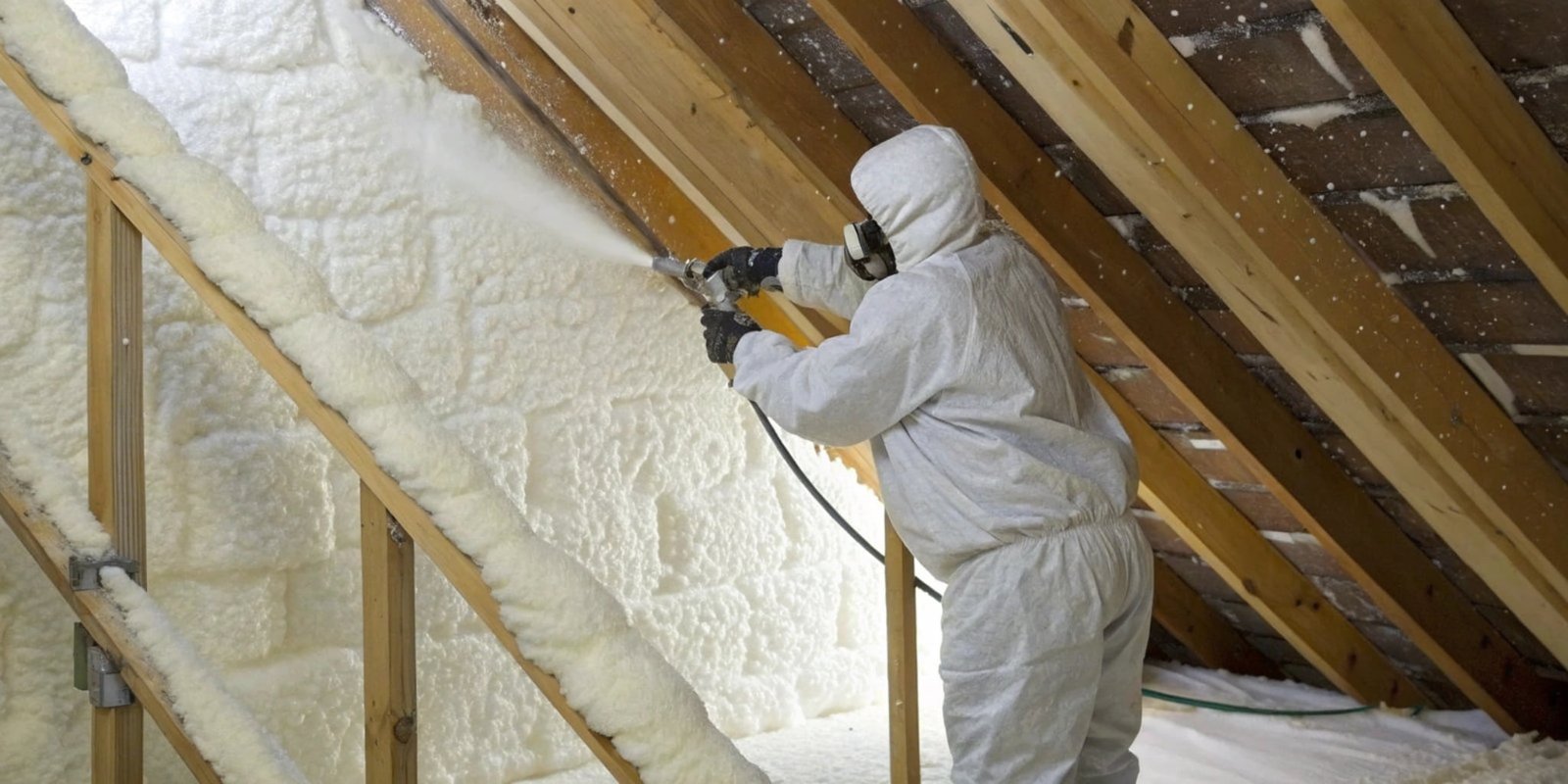
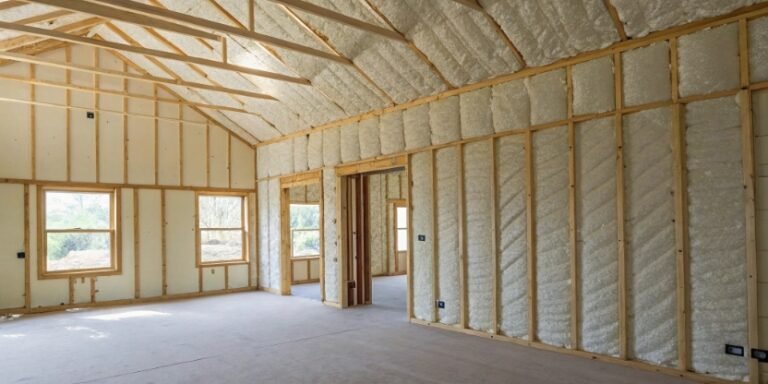
Spray polyurethane foam (SPF) insulation is a service-based business with excellent profit potential. Unlike factory production, you take your equipment directly to the job site. The core of the business is the spray foam rig—a truck or trailer containing a proportioner (a type of foaming machine), generator, compressor, and hoses. Your revenue comes from quoting jobs based on the board foot (a space one foot by one foot, one inch thick). Your main costs are the two chemical components (A-side and B-side), labor, and fuel. The key to high profit is accuracy. You must accurately estimate the amount of material needed and ensure your crew applies it efficiently without waste. Good equipment that maintains consistent temperature and pressure is vital, as it prevents wasted material and ensures the final foam has the correct properties. A well-run two-person crew can often complete a residential attic or basement in a single day, generating thousands in revenue.
Sample Residential Job Profitability
| Item | Amount | Notes |
|---|---|---|
| Job Revenue | $6,000 | For a 2,000 board foot project @ $3/bf |
| Material Cost | -$2,400 | (1 set of chemicals covers ~4,500 bf) |
| Labor Cost | -$640 | (2 workers, 8 hours @ $40/hr each) |
| Other Costs | -$200 | (Fuel, marketing, insurance allocation) |
| Gross Profit | $2,760 | ~46% Gross Margin |
Conclusion
In conclusion, polyurethane foam manufacturing is a profitable venture. Success depends on choosing the right market, efficient equipment, and a knowledgeable partner to guide you through the process.
[^1]: "What is a High-Pressure PU Foaming Machine?", https://henghui-machinery.com/blog/what-is-a-high-pressure-polyurethane-foaming-machine-and-how-does-it-work/. This source discusses how high-pressure foaming machines reduce chemical waste in polyurethane foam production. Evidence role: mechanism; source type: education. Supports: Modern high-pressure foaming machines reduce chemical waste and improve production efficiency.. Scope note: The reduction in waste may vary depending on machine type and operator skill.
[^2]: "High-Pressure vs Low-Pressure PU Foaming Machine", https://urexceed.com/en/blog/high-pressure-vs-low-pressure-pu-foaming-machine/. This source provides data on ROI timelines for high-pressure foaming machines in the polyurethane industry. Evidence role: statistic; source type: research. Supports: Investing in high-pressure foaming machines can lead to ROI within 6-12 months due to efficiency gains.. Scope note: ROI timelines may vary based on production scale and market conditions.
[^3]: "Flexible Foam Market Size And Share Report, 2026-2033", https://www.grandviewresearch.com/industry-analysis/flexible-foam-market-report. This source provides examples of applications for HR foam, such as premium mattresses and high-use furniture. Evidence role: case_reference; source type: research. Supports: HR foam is used in premium mattresses and high-use furniture seating due to its superior properties.. Scope note: The applications may not represent all uses of HR foam.
Leave a Reply