

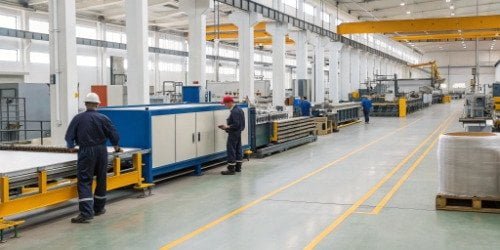
Are you struggling with inconsistent foam quality and high material waste? A continuous foaming line automates production, boosts efficiency, and gives you the control needed to scale your business.
Investing in a PU continuous foaming line is a strategic move for manufacturers who want to scale. It combines automation, high efficiency, and consistent quality. This is key for handling large orders from clients like IKEA and reducing your long-term operating costs, making the initial investment worthwhile.
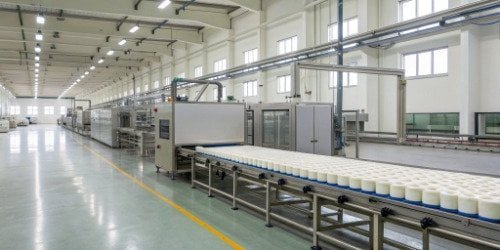
The upfront cost of a full production line can seem high. But the real story is in the long-term gains in efficiency, quality, and capacity. For many factory owners I talk to, the decision isn’t just about buying a new machine; it’s about preparing their business for future growth. But before we talk about the line, let’s look at the material itself. What makes PU foam so special in the first place?
What Are the Core Benefits of Using PU Foam in Your Products?
You need versatile, high-performance materials for your products. Using many different materials complicates production, increases your costs, and can hurt the final quality of what you sell.
The main benefits of PU foam are its amazing versatility, durability, and insulation properties. It can be made soft and flexible for furniture or rigid and strong for construction panels. This makes it a highly adaptable material for countless industrial applications.
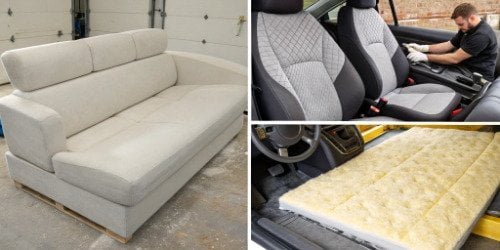
Polyurethane foam is not just one material; it’s a whole family of materials.[^1] At Foamor, we help clients understand which type they need. For a furniture factory making sofas, we recommend flexible or high-resilience (HR) foam for comfort and longevity. For an automotive supplier, it might be semi-rigid foam for dashboards or rigid foam for structural components. This ability to tune the foam’s properties is its greatest strength. You can replace multiple materials like rubber, plastic, and fiberfill with a single, streamlined PU foam process. This simplifies your supply chain and production.[^2] I’ve worked with factories that were able to reduce their raw material inventory by 40% just by switching to a dedicated PU foaming line. It simplifies everything from purchasing to production scheduling.
Why Choose Foam Materials Over Solid Alternatives?
Using solid materials like wood or metal can make your products heavy and expensive to ship. It also makes it difficult to create complex shapes without costly machining or molding.
The biggest advantage of foam materials is their high strength-to-weight ratio. They give you excellent cushioning, insulation, and structure while making the product much lighter. This is perfect for industries like automotive, furniture, and packaging where weight and performance are critical.
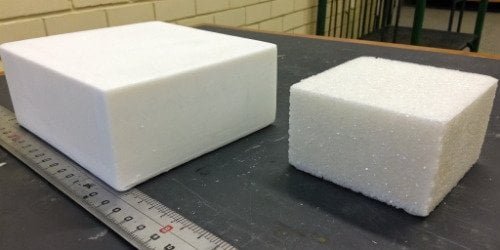
The magic of foam is in its cellular structure. It’s mostly air or gas trapped in a network of polymer. This structure is what makes it so lightweight yet strong. Think about a mattress. A solid block of rubber would be incredibly heavy and uncomfortable. But as a foam, it provides support and comfort while being light enough to ship easily. I often talk with production directors like Mr. Hieu in Vietnam. His company makes furniture, and shipping costs are a major concern. By using lightweight PU foam, he can fit more products into a shipping container, which directly lowers his cost per unit. This is a simple but powerful advantage. Foam also absorbs impact energy, making it the best material for protective packaging and car bumpers.[^3] It can be molded into almost any shape, giving designers more freedom.
When Does Using High-Density Foam Give You a Competitive Edge?
Are your standard foam products wearing out too fast? This often leads to customer complaints, returns, and damage to your brand’s reputation, especially with demanding international clients.
High-density foam provides much better durability, support, and resilience. It resists sagging and breaking down over time. This makes it the best choice for premium products like high-end mattresses, supportive furniture cushions, and car seats that need to last for years.
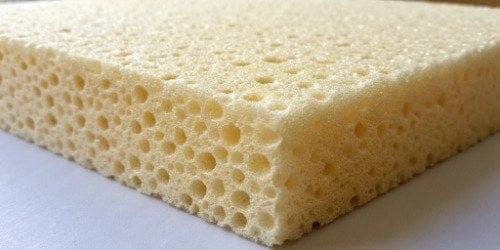
High-density foam simply has more material packed into the same volume. This makes it firmer and much more durable.[^4] For manufacturers looking to enter premium markets or supply to major brands, using high-density foam is not optional; it’s a requirement. A production director at a factory supplying IKEA told me their old low-pressure machine couldn’t produce consistent high-density foam. The quality was unstable, and they were at risk of losing their contract. We helped them upgrade to one of our high-pressure foaming machines. The precision metering (accurate to ±0.5%) on these machines ensures the chemical reaction is perfect every time, creating a consistent, high-density foam that meets IKEA’s strict standards. This upgrade not only saved their contract but also allowed them to charge a higher price for a better product.
| Feature | Low-Density Foam | High-Density Foam |
|---|---|---|
| Durability | Lower (breaks down faster) | Higher (lasts for many years) |
| Support | Softer, less supportive | Firmer, more supportive |
| Cost | Lower upfront cost | Higher upfront cost |
| Best For | Packaging, temporary use | Mattresses, sofas, car seats |
What Technical Properties Make Polyurethane Foam So Unique?
You need a material that meets very specific technical requirements. You might struggle to find one material that can provide the right insulation, structure, and comfort all at once.
Key properties of polyurethane foam include its excellent thermal insulation, tunable density, and high resistance to abrasion. It also has strong adhesion, allowing it to bond directly to materials like metal, wood, and plastic during foaming.
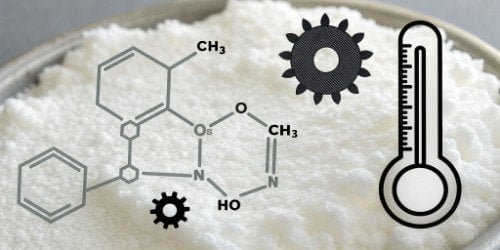
PU foam is an engineered material. Its properties can be precisely controlled. For example, its low thermal conductivity makes it one of the best insulators available, which is why it’s used in refrigerators and building panels. Its mechanical strength can be adjusted from soft and squishy to hard enough to replace wood or plastic. This is all determined by the chemical formulation and the production process. And this is where a modern production line becomes essential. To reliably achieve these specific properties, you need absolute control. A continuous line with a high-pressure machine provides the precise ratio control and mixing needed to guarantee consistency.[^5] An old machine or manual mixing just can’t deliver that. With our systems, we empower you to produce the exact foam you need, every single time, turning your production from a guessing game into a science.
Conclusion
Investing in a PU continuous foaming line is more than an equipment upgrade. It’s about gaining control over quality, efficiency, and scale to ensure long-term, profitable growth.
[^1]: “Polyurethane – Wikipedia”, https://en.wikipedia.org/wiki/Polyurethane. This source categorizes polyurethane foam as a family of materials with diverse applications and properties. Evidence role: definition; source type: encyclopedia. Supports: Polyurethane foam is not just one material; it’s a whole family of materials..
[^2]: “Polyurethane Foams: Past, Present, and Future – PMC”, https://pmc.ncbi.nlm.nih.gov/articles/PMC6213201/. This source explains how using PU foam streamlines supply chains and production processes by reducing material diversity. Evidence role: mechanism; source type: research. Supports: This simplifies your supply chain and production..
[^3]: “[PDF] Energy absorption in foams – MIT OpenCourseWare”, https://ocw.mit.edu/courses/3-054-cellular-solids-structure-properties-and-applications-spring-2015/d7902e18aed019e6af0651e84a55e703_MIT3_054S15_L16_enab_trans.pdf. This source explains the impact energy absorption properties of foam and its applications in packaging and automotive industries. Evidence role: mechanism; source type: research. Supports: Foam also absorbs impact energy, making it the best material for protective packaging and car bumpers..
[^4]: “Understanding Foam Types: Density, Firmness, and Best Uses – YouTube”, https://www.youtube.com/watch?v=XVJPp8FpESY. This source explains how high-density foam’s material composition contributes to its firmness and durability. Evidence role: mechanism; source type: research. Supports: This makes it firmer and much more durable..
[^5]: “PU Foam Production Lines: Complete Guide”, https://henghui-machinery.com/blog/pu-foam-production-lines-complete-guide/. This source describes how high-pressure machines in continuous lines ensure precise ratio control and consistent foam production. Evidence role: mechanism; source type: education. Supports: A continuous line with a high-pressure machine provides the precise ratio control and mixing needed to guarantee consistency..
Leave a Reply