Polyurethane Shoe Sole & Insole Continuous Production Solutions
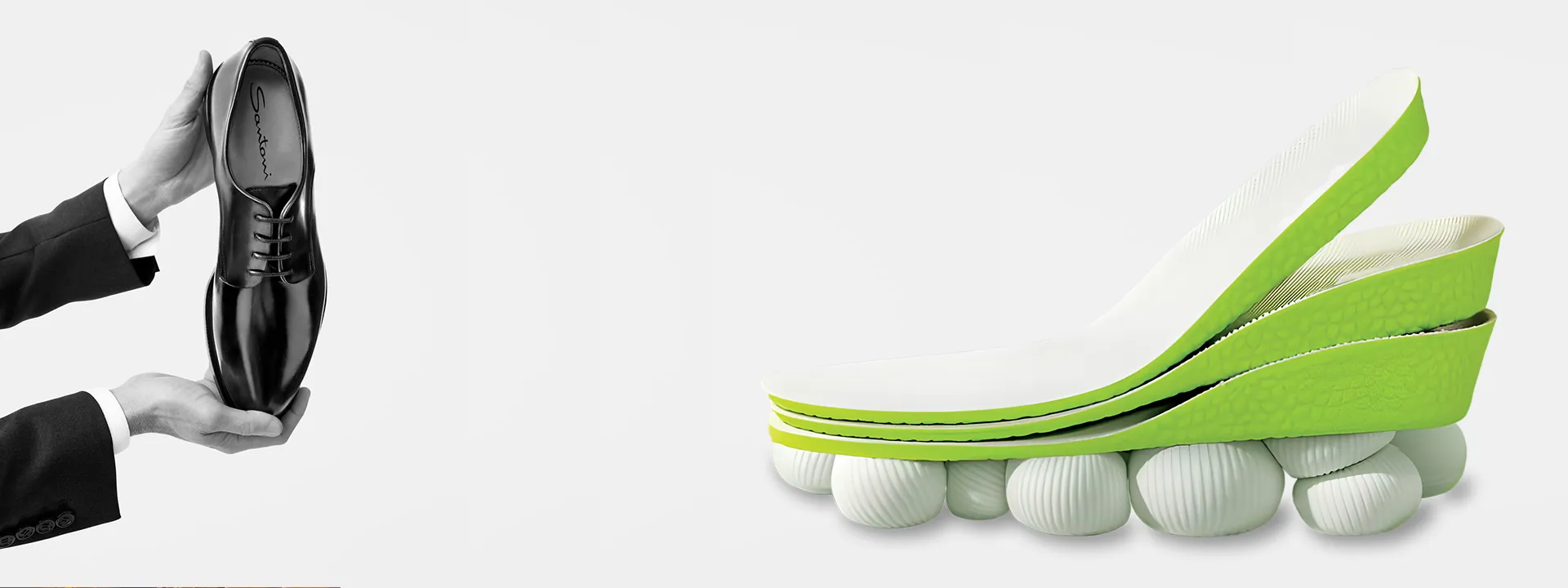
Athletic soles, work shoe soles, slipper soles, insoles -- high-pressure foaming machines with specialized molds, supporting rapid multi-SKU changeover
Why footwear manufacturers choose Foamor
Consistent Sole Quality
PU sole durability, resilience, and density uniformity directly impact shoe wearing experience. Our equipment delivers ±0.5% metering precision, ensuring consistent density for every sole, bubble-free and defect-free.
Quick Size Changeover
Athletic shoes, slippers, work boots — different styles and sizes require different molds. Our equipment supports rapid mold changeover with minimal downtime, perfect for multi-SKU orders.
Eco-Friendly Material Support
Water-based polyurethane, solvent-free systems — our equipment supports various eco-friendly material formulations, meeting environmental requirements for European and American markets.
Our equipment covers these footwear & leather products
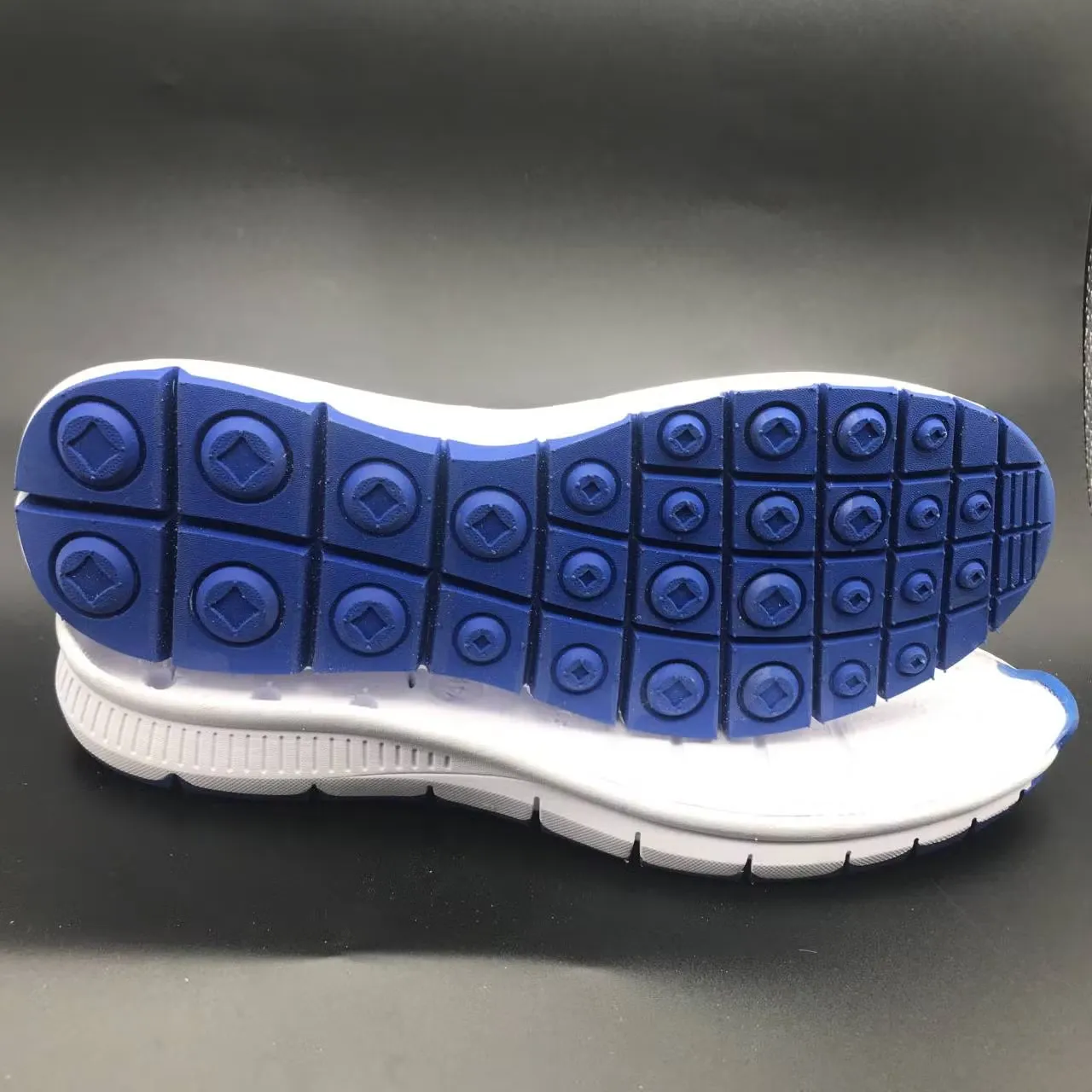
Athletic Shoe PU Soles
Wear-resistant, high resilience, adjustable density — perfect for running shoes, basketball shoes, casual shoes
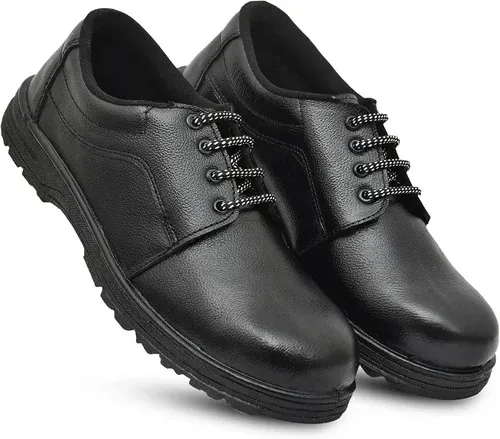
Work Safety Shoe Soles
Impact-resistant, slip-resistant, oil-resistant — meeting occupational safety standards
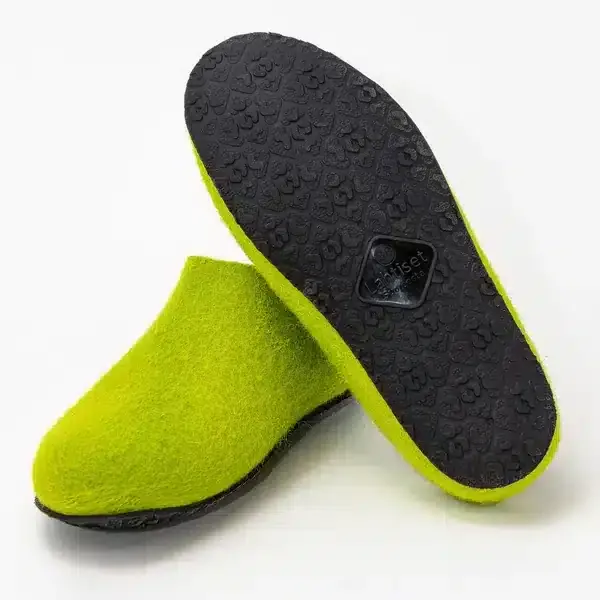
Slipper Soles
Lightweight, comfortable, multiple hardness options — suitable for home and beach slippers
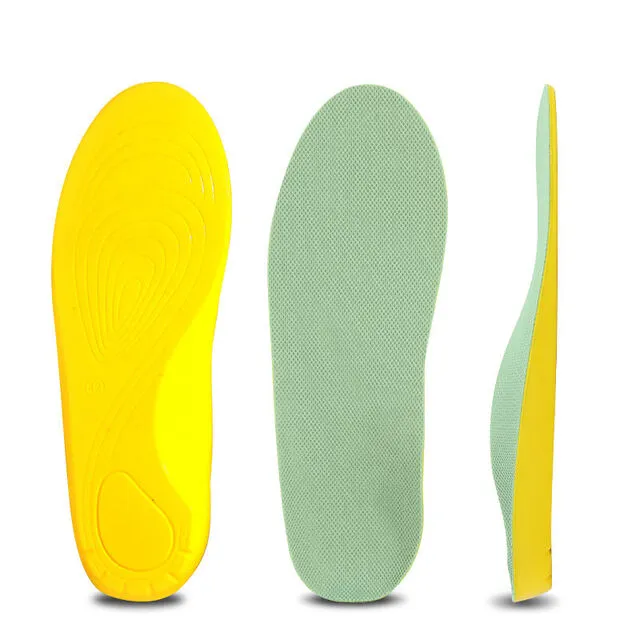
PU Insoles
Antibacterial, high resilience, breathable — suitable for athletic shoes and dress shoes
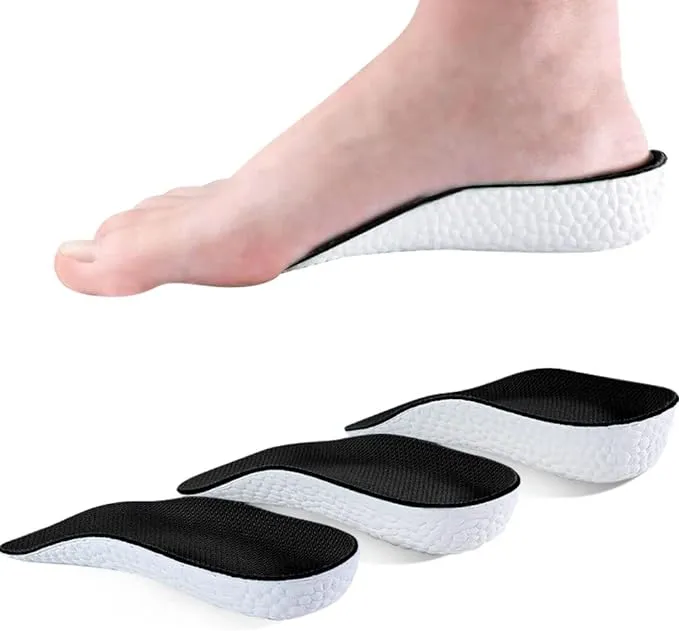
Height-Increasing Insoles
Lightweight PU foam, customizable height and shape
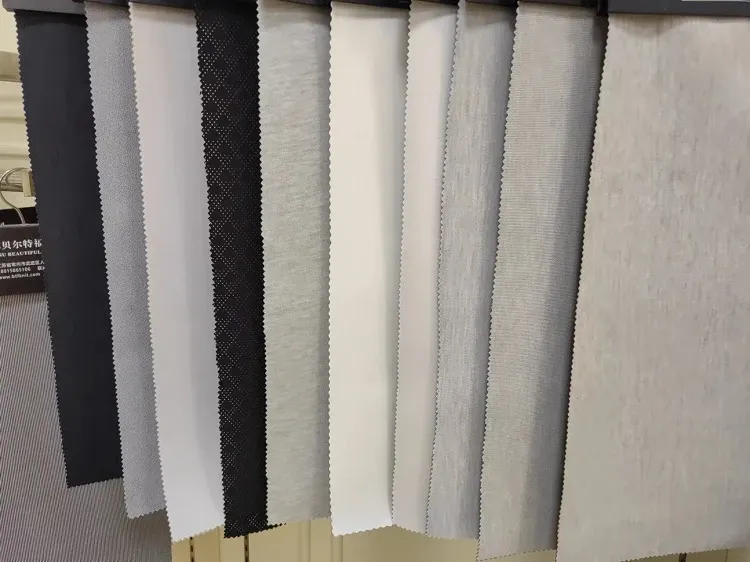
Leather Covering Base Material
PU foam substrate with leather covering — for shoe uppers and luggage
Equipment for PU Shoe Insole and Sole Production
Discover reliable PU foaming machines and automated production systems designed for efficient, consistent footwear manufacturing.
High-Pressure Foaming Machine
PU Sole and Insole Production
- • Precision metering accuracy up to ±0.5%
- • Self-cleaning high-pressure mixing head
- • Supports flexible PU sole formulations
- • Suitable for high-volume footwear production
Insole Disc Production Line
Automated Rotary Insole Production
- • Rotary disc layout for continuous production
- • Efficient mold loading and unloading
- • Consistent curing and process control
- • Ideal for PU insoles and footbeds
PU Insole Ground-Rail Circular System
Flexible Circular Production Line
- • Ground-rail circular conveyor design
- • Configurable stations for scalable output
- • Smooth workflow from injection to demolding
- • Built for stable PU insole production
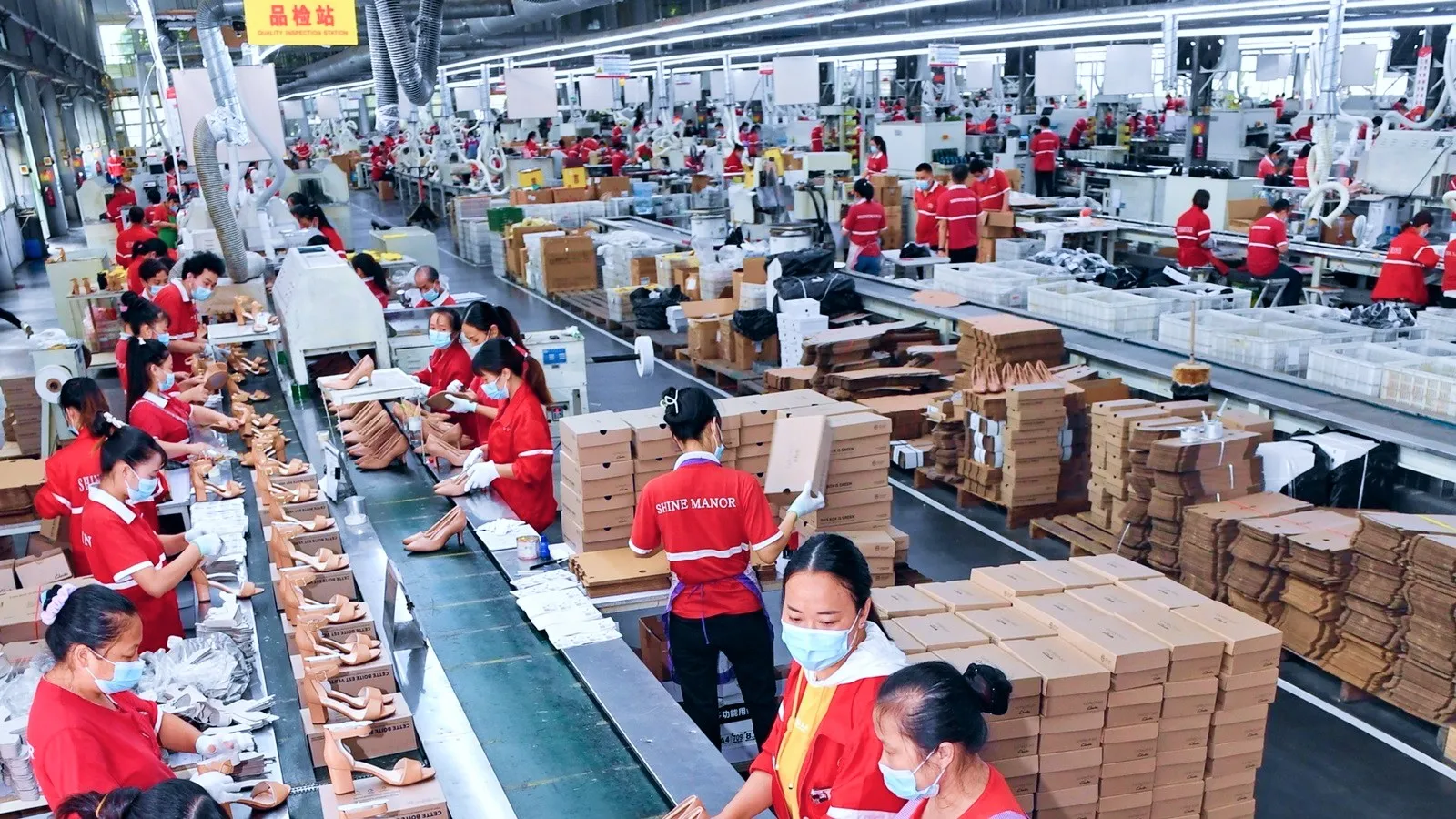
Fujian Shoe Material Factory — 5,000 PU Soles Daily Production
"This Fujian shoe material factory supplies multiple athletic and slipper brands. Previously using small equipment with low efficiency and poor product consistency. We configured large high-pressure foaming machines + multiple sole mold sets + specialized mold carriers, achieving 5,000+ PU soles daily production with 96% stable product yield rate. Equipment supports rapid multi-size mold changeover, one worker can operate multiple mold sets, tripling daily capacity."
Technical FAQ
What advantages do PU soles have over rubber soles?
PU soles are 30-40% lighter than rubber, with better resilience and more comfortable wearing. The production process uses liquid raw materials for foam molding, simpler than rubber's mixing and calendering process, requiring smaller equipment investment. Additionally, PU soles are fully recyclable, making them more environmentally friendly.
How to choose sole molds?
Sole molds typically use aluminum alloy materials for long life and fast heat conduction. Mold design must match your sole structure and size requirements. We have partnered professional sole mold suppliers for recommendations. For first-time cooperation, we suggest clients provide sole samples or drawings for mold solution development.
How to change colors during production?
Color changes mainly involve cleaning mixing heads and pipelines. High-pressure machines have self-cleaning mixing heads, requiring 1-2 cleaning agent flushes. Color change time controlled within 30 minutes. For multiple colors, consider increasing tank quantities or preparing pre-mixed materials in various colors.
Can antibacterial and odor-resistant insoles be made?
Yes. Antibacterial insoles require special polyurethane compound materials (containing antibacterial agents). Our equipment's high metering precision accurately adds antibacterial components. Materials provided by professional compound suppliers, we can recommend qualified suppliers.
What material requirements for soles exported to Europe?
European footwear material environmental requirements mainly include: no azo dyes, no heavy metals, phthalate limits, etc. Polyurethane compound suppliers can provide REACH and OEKO-TEX standard material certifications. We cooperate with material suppliers for complete supply.
Quick Consultation
Planning a new footwear production line?
Tell us your shoe type, target output, and material requirements — we'll suggest the right PU foaming configuration.